Whether you’re living in a cozy apartment or a spacious home, Sliding Window designs bring in sunlight, style, and ventilation. But to keep them working smoothly and looking crystal clear, regular cleaning is essential. Over time, dust, grime, and debris can build up in the glass, frame, and tracks—making the window difficult to slide and dulling its shine. This comprehensive guide walks you through the best techniques for cleaning and maintaining your sliding windows so they glide effortlessly and sparkle like new.

Why Cleaning Sliding Windows Matters
Regular maintenance does more than keep your windows looking good—it extends their lifespan and enhances your home’s energy efficiency. When dirt builds up in the tracks or on the sash, it creates friction, making it harder to slide. Even worse, debris can cause minor scratches, corrosion, or seal damage, leading to air leaks and higher energy bills. Clean windows not only brighten your space but also protect your investment in the long term.
Tools and Materials You’ll Need
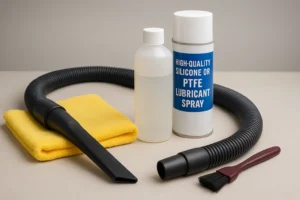
Vacuum with narrow attachment
Soft-bristled brush or old toothbrush
Microfiber cloths
Spray bottle with a vinegar-water solution (1:1 ratio)
Mild detergent or dish soap
Commercial glass cleaner (ammonia-free preferred)
Soft sponge or chamois
Squeegee
Step-by-Step Guide: How to Clean Sliding Windows
Step 1: Prepare the Window Area
Start by removing any curtains, blinds, or decorative items near the window. Open your Slider Window fully to expose both glass panels and the tracks. Use a vacuum to remove loose dust, pet hair, and cobwebs. Pay close attention to the corners where grime tends to collect.
Step 2: Remove the Window Sash (Optional but Recommended)
For a deep clean, consider removing the window sash. Unlock the window, slide it past the plastic stopper, lift it upward, and tilt the bottom out gently. Set it aside on a flat, padded surface. Removing the sash makes it easier to clean both sides of the glass and reach tight areas of the frame.
Step 3: Clean the Tracks and Frames
The tracks are often the dirtiest part of any Sliding Glass Window. Mix a small amount of mild detergent or vinegar-water solution, and use a brush to scrub away grime. If buildup is heavy, let the solution sit for a few minutes before wiping it clean with a damp microfiber cloth. Ensure the corners and drain holes are free from debris.
Step 4: Wash the Window Glass
Spray your cleaning solution generously across the glass surface. Use a sponge or soft cloth to gently clean in circular motions. For stubborn spots such as dried raindrops or fingerprints, apply a little more pressure or a specialized glass cleaner. Then, rinse the glass using a clean damp cloth.
Next, use a squeegee from top to bottom in a single smooth motion. Wipe the blade after each pass to prevent streaking. Finally, polish the glass with a dry microfiber cloth for a sparkling, streak-free finish.
Step 5: Clean and Reinstall the Screen
Remove the window screen by pulling the tabs at the sides and lifting it out carefully. Wash it with mild soap and low water pressure. Avoid using a high-pressure hose—it can stretch or damage the mesh. Once clean, dry it completely before reinstalling it back into place.
Step 6: Lubricate the Tracks
Once the tracks are completely dry, apply a thin layer of silicone-based lubricant. Avoid oil-based products—they attract more dust. A silicone spray keeps the movement smooth and prevents future rust or friction damage.
Step 7: Reinstall and Test
Carefully place the window sash back into the top track, tilt the bottom into position, and lower it securely. Slide the window open and close several times to ensure smooth operation. Lock it to confirm everything fits properly.
Learn from a professional on how to properly remove sliding windows, in this free how to video. Learn about proper cleaning for your windows and tracks.
Pro Tips for Streak-Free Results
- Clean windows on a cloudy day to avoid streaks caused by quick drying in sunlight.
- Use distilled water if you have hard water—this helps prevent mineral spots.
- For tinted or coated glass, avoid ammonia or alcohol-based cleaners that could damage the film.
- Clean your window tracks every 6 months to prevent buildup and corrosion.
Preventing Common Sliding Window Problems
Regular cleaning not only improves appearance but also helps you catch minor issues early. Here are some common problems and how to fix them:
Sticky Tracks: Dirt or dried lubricant may cause resistance. Clean thoroughly and reapply a fresh layer of silicone spray.
Misaligned Sash: If the window doesn’t close smoothly, check for debris or worn-out rollers.
Condensation or Mold: Use a dehumidifier or ensure proper ventilation to reduce moisture buildup along the frame.
Noise or Dragging: Clean both the bottom and top tracks, ensuring even alignment and smooth operation.
For cracked or foggy glass, refer to our replacement cost guide.
When to Deep Clean or Replace Your Sliding Window
If your window feels heavy or doesn’t move easily even after cleaning and lubrication, the rollers might be damaged or misaligned. In such cases, a deeper maintenance check or replacement may be necessary. Clean windows should slide with just a gentle push. If you notice fogging between glass panes, it could be a sign that the seal has broken—consider contacting a professional for repair or replacement.If you’re unsure about the parts, our guide on what a sliding window is covers all components.
Conclusion
Keeping your Sliding Window clean and well-maintained ensures it continues to function smoothly while enhancing the look and comfort of your home. A few simple cleaning steps done regularly can prevent costly repairs and keep your living spaces bright and beautiful for years to come.After cleaning, applying lubricant keeps the operation smooth—see how to lubricate vinyl sliding windows.
Q&A: Frequently Asked Questions About Cleaning Sliding Windows
-
How often should I clean my sliding windows?
Ideally, clean your sliding window glass every 2–3 months, and deep clean the tracks at least twice a year. If you live in a dusty or coastal area, increase the frequency to prevent buildup.
-
What’s the best cleaning solution for sliding window glass?
50/50 mixture of white vinegar and water works perfectly for most glass surfaces. For commercial cleaners, choose ammonia-free products to protect coatings and prevent streaks.
-
Can I use lubricant after cleaning the tracks?
Yes. After cleaning and drying the tracks, use a silicone-based lubricant to maintain smooth sliding action and prevent metal corrosion or friction wear.
-
How do I clean mold from window frames?
Use a solution of vinegar and warm water. Apply it to affected areas, let it sit for a few minutes, and scrub with a soft brush. Dry thoroughly to avoid recurrence.
-
My sliding window is hard to open. What should I do?
Check if debris or dirt is clogging the tracks. If cleaning doesn’t help, inspect the rollers or alignment. Persistent issues may require a professional adjustment or replacement.
For more helpful maintenance tips, visit our complete FAQ section:https://supwindow.com/sliding-window-frequently-asked-questions/