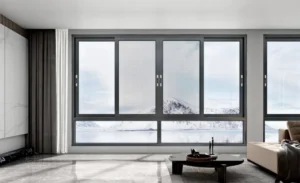
In the modern construction and renovation world, sliding windows have become one of the most sought-after choices among contractors, builders, and homeowners alike. Their sleek design, effortless functionality, and space-saving performance make them ideal for both residential and commercial projects. Whether you’re renovating a suburban villa or outfitting a high-rise apartment complex, this guide will help you understand why more professionals are turning to Slider Windows for superior results.
Showing how to remove a horizontal sliding window, screen and the track the window slides on. Dirt, dust and bug removal.
Why Sliding Windows Have Become the Contractor’s Favorite
Unlike traditional casement or awning designs, Sliding Glass Windows open horizontally along a track, offering smooth operation and unrestricted views. Contractors favor them not only for their practicality but also for their aesthetic flexibility. They complement both minimalist and contemporary architectural styles while providing excellent energy efficiency and ventilation.
For building material dealers, this means a product that is easy to market. For installers, it means reduced installation time and fewer moving parts that require maintenance. And for end users, it means durability and comfort with minimal upkeep.
Key Advantages of Choosing Sliding Windows
Effortless Operation: Easy to slide with precision-engineered rollers and durable aluminum frames.
Enhanced Energy Efficiency: Modern sealing systems minimize air leakage, improving insulation performance.
Space Optimization: Since they glide horizontally, they don’t require outward clearance — ideal for small balconies or tight exterior spaces.
Low Maintenance: Fewer components mean less wear and tear and longer service life.Repair cost forecasting —see sliding window pane replacement pricing.
Panoramic Aesthetics: Expansive glass panels maximize natural light and outdoor visibility.

Material and Frame Options for Contractors
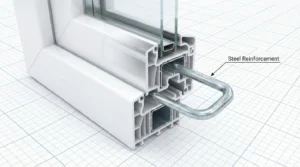
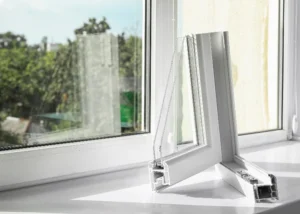
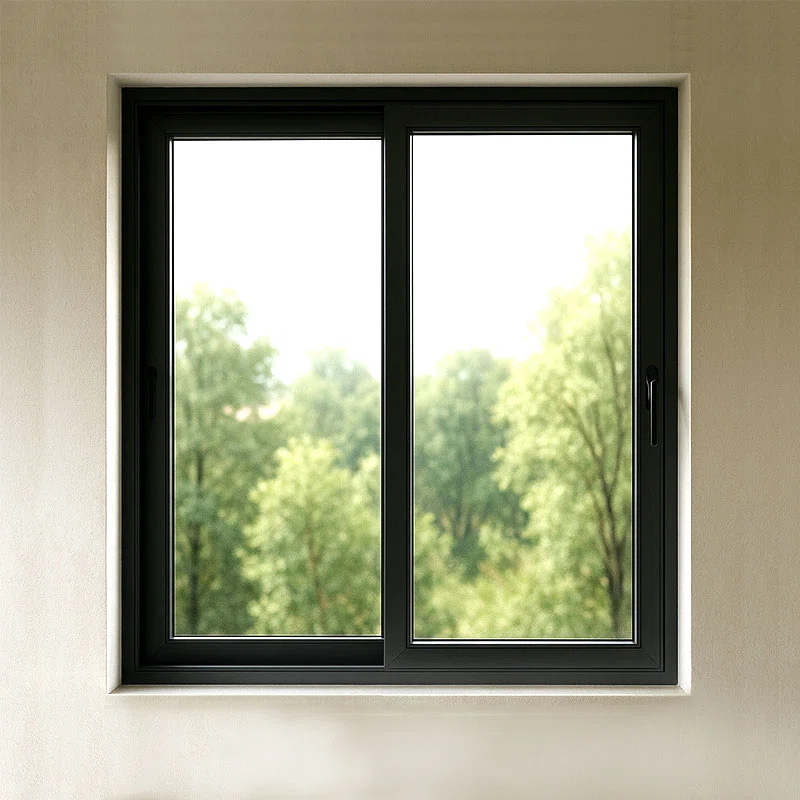
At Super Window House, contractors can choose from a wide range of materials including aluminum, uPVC, and composite options. Aluminum remains the top pick for its durability and slim profiles, while uPVC provides enhanced insulation in colder regions. When selecting a Sliding Window, consider both the local climate and the building’s energy requirements to achieve the best long-term performance.
Additionally, multi-track systems and double-glazed panels can significantly boost both noise reduction and thermal efficiency—two key selling points for urban residential projects.
Installation Tips for Maximum Efficiency
Installing a sliding window may appear straightforward, but precision matters. Here are some best practices to ensure optimal installation results:
Accurate Measurement: Always double-check frame openings before fabrication to avoid alignment issues.
Seal Properly: Use high-grade silicone and weather strips to prevent water and air leaks.
Check Track Level: Ensure the sliding track is perfectly horizontal — even slight inclines can cause friction and operational problems.
Use Quality Hardware: Choose rollers, locks, and handles rated for the expected usage frequency.
Following these steps not only reduces callbacks but also enhances your professional reputation among clients and suppliers.For step-by-step instructions, see the sliding window installation guide.
How to Present Sliding Windows to Your Clients
For distributors and contractors, presentation is everything. Highlight the Slider Window’s ability to merge aesthetics with function — emphasize the smooth glide, wide view, and easy cleaning. Demonstrating a sample unit or showing completed project photos often helps clients quickly visualize the upgrade’s value.
When customers understand that a Sliding Glass Window enhances both comfort and resale value, they are far more likely to invest confidently.
Why Partner with Super Window House
As a leading supplier in the fenestration industry, Super Window House provides tailored support for contractors and building material resellers. From technical specifications and custom dimensions to after-sales service, every order is built around professional needs. Their automated production lines ensure consistent quality across large-scale projects, making logistics and delivery smoother for partners worldwide.

Conclusion
Sliding windows aren’t just a design trend — they’re a reliable, cost-effective, and energy-efficient choice for modern buildings. For contractors and distributors, offering them means staying ahead in a highly competitive market. By choosing the right supplier and focusing on installation precision, you can deliver superior performance and lasting satisfaction to your clients.
Frequently Asked Questions About Sliding Windows
Are sliding windows energy efficient?
Yes. Modern designs feature multi-chamber frames and tight weather seals that prevent heat loss, reducing overall energy consumption.
How long does a sliding window typically last?
With proper installation and regular maintenance, high-quality aluminum or uPVC sliding windows can last over 25 years.
Can I customize the size or color of my sliding window order?
Absolutely. Most manufacturers, including Super Window House, offer customized sizes, colors, and glazing options for different architectural needs.
What’s the difference between a slider window and a double-hung window?
While a slider window moves horizontally, a double-hung window opens vertically. Slider windows often provide broader views and smoother operation.
For more detailed information, visit our FAQ page:Sliding Window Frequently Asked Questions