Windows are a crucial yet often underestimated part of your home. They influence comfort, lighting, energy efficiency, noise control, and overall property value. Many homeowners focus on appearance alone, overlooking performance factors that affect cost and lifespan.
This guide explains everything about Sliding Windows(gliding window), compares them with double-hung alternatives, and provides insights for both budget-conscious and performance-minded homeowners.
We cover materials, engineering, energy efficiency, maintenance, and real-world installation tips, combining professional insights with practical, everyday advice.If you’re unfamiliar with the design, see what a sliding window is and how it works.
1.Understanding Sliding Window vs Double-Hung Costs
When deciding between window types, cost is usually the first consideration. Prices are influenced by frame materials, glass technology, size, labor, and maintenance needs.
| Window Type | Average Material Cost | Installation | Maintenance |
|---|---|---|---|
| Sliding Window | $200–$500 per unit | $100–$300 | Low to moderate |
| Double-Hung Window | $150–$500 per unit | $150–$350 | Moderate to high |
Although the base material cost of Sliding Windows may be slightly higher for premium models, they often save on labor and maintenance over time. Their horizontal operation reduces the risk of sash alignment issues, which can increase repair costs in double-hung systems.
View specific costs:Sliding Window Pane Replacement Cost Guide

2. Materials and Engineering Impact on Cost
Your choice of frame material heavily influences both upfront and lifetime costs. Each material performs differently in terms of energy efficiency, durability, and maintenance.
1 Vinyl Sliding Windows
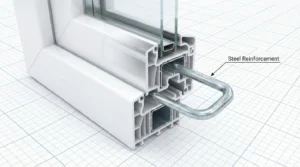
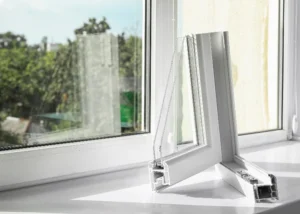
Vinyl frames are cost-effective and highly resistant to moisture. Multi-chamber designs provide insulation, making them ideal for humid or coastal areas.
2 Aluminum Sliding Windows
Aluminum frames are more expensive initially but offer excellent strength for large openings. With modern thermal breaks, they provide competitive energy performance and low maintenance over decades.
3 Fiberglass and Composite Frames
Fiberglass frames expand at the same rate as glass, minimizing seal stress. Composites combine strength and insulation, suitable for large installations or extreme climates. Although pricier, they may save money long-term through energy efficiency and reduced maintenance.
3. Energy Efficiency Considerations
Sliding Windows with modern double or triple glazing, Low-E coatings, and argon gas fills often outperform older double-hung windows. Energy efficiency reduces heating and cooling costs, potentially offsetting the initial higher investment.
- Low-E coatings reflect infrared light, keeping homes cooler in summer and warmer in winter
- Triple glazing improves insulation and acoustic comfort
- Proper sealing reduces air leakage and condensation risks

4. Maintenance and Long-Term Costs
Maintenance significantly impacts total cost of ownership. Repair expenses also matter—check our sliding window pane replacement cost guide.Sliding Windows generally require less frequent maintenance due to fewer moving parts, horizontal operation, and durable rollers.
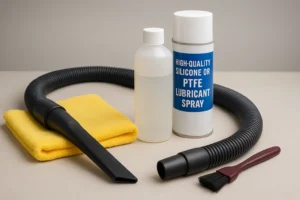
- Monthly: Wipe glass, sweep dust from tracks, check locks
- Quarterly: Deep clean tracks, apply silicone lubricant, inspect rollers
- Yearly: Examine seals, alignment, and insulation performance
5. Installation and Labor Costs
Installation for sliding windows is often faster than double-hung windows, especially for large-format or wall-to-wall applications. Fewer parts and simpler alignment can reduce labor costs by up to 20%.
Tip: Use professional installers familiar with track leveling and roller adjustment to maximize lifespan and prevent operational issues.learn how to install a sliding window step by step.
6. Real-World Use Scenarios and Savings
Consider your room type when choosing window styles. Cost-effectiveness is not only upfront but also linked to functionality and comfort.
- Living Rooms: Large sliding units enhance natural light, view, and ventilation.
- Bedrooms: Noise reduction is key—opt for laminated glass with insulated frames.
- Kitchens: Moisture-resistant vinyl or composite frames prevent warping.
- Balconies/Terraces: Multi-track aluminum systems handle wide openings efficiently.
7. Safety and Security Considerations
Modern Sliding Glass Windows include multi-point locks, anti-lift mechanisms, and laminated glass options. While double-hung windows also offer locks, sliding systems reduce exposure to mechanical failures caused by sash wear.

8. Life Span and Investment Value
High-quality sliding windows often last 20–30 years with proper maintenance. They improve energy efficiency, comfort, and resale value. While the initial cost may be slightly higher than some double-hung units, the total cost of ownership—including energy savings, labor, and maintenance—often favors sliding systems.
Conclusion
Sliding windows offer a combination of durability, energy efficiency, ease of maintenance, and aesthetic appeal. While upfront costs may vary depending on materials and size, they often provide better long-term value than double-hung windows.
For homeowners seeking detailed insights into sliding window types, features, installation tips, and performance comparisons, exploring a comprehensive guide on sliding windows can be highly beneficial. Learn more in our article What Is a Sliding Window? A Complete Guide.
Proper installation, regular maintenance, and thoughtful material choice maximize both performance and savings.
Q&A: Frequently Asked Questions
-
Are sliding windows easier to clean than double-hung?
Yes. Many sliding windows allow you to remove the sash for external cleaning or tilt them inwards for safe interior access.
-
How long do sliding windows typically last?
High-quality units can last 20–30 years, depending on materials, climate, and maintenance practices.
-
Do sliding windows provide good insulation?
Yes, when equipped with double or triple glazing, Low-E coatings, argon fills, and well-designed seals.
-
Are sliding windows secure?
Modern sliding windows with multi-point locks, anti-lift features, and laminated glass are highly secure for residential use.
-
How often should I lubricate sliding window tracks?
Every 6–12 months, depending on dust accumulation and frequency of use.
More Questions?
You can find additional answers on the dedicated FAQ page:https://supwindow.com/sliding-window-frequently-asked-questions/