How Much Are Casement Windows?
For builders, dealers, and contractors, one of the most common questions clients ask is simple: “How much are casement windows?”

For builders, dealers, and contractors, one of the most common questions clients ask is simple: “How much are casement windows?”

Casement windows have long been a top choice for contractors, builders, and dealers thanks to their sleek appearance, excellent ventilation,
When planning a renovation or new construction, one of the most frequent questions from contractors and distributors is:casement windows —
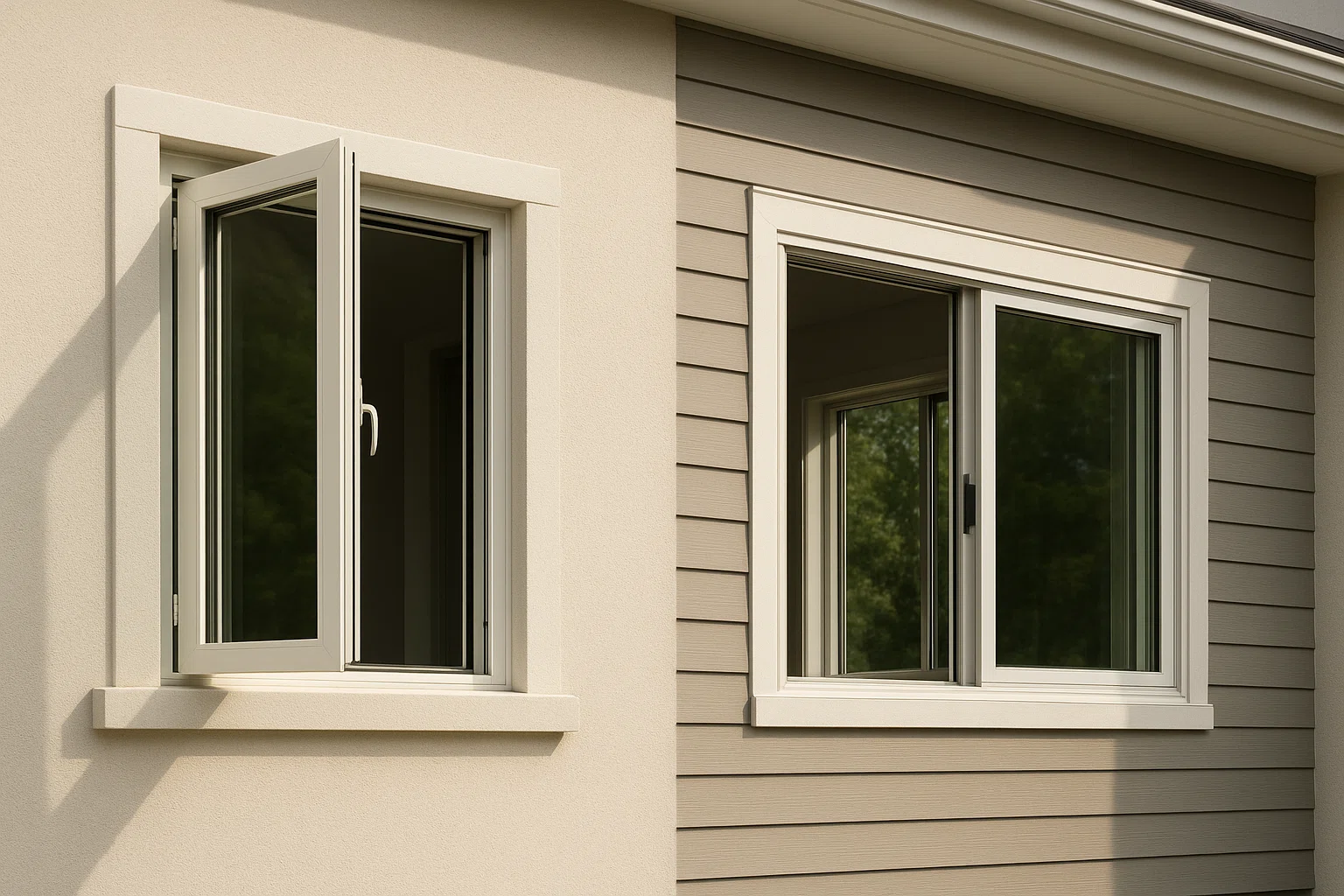
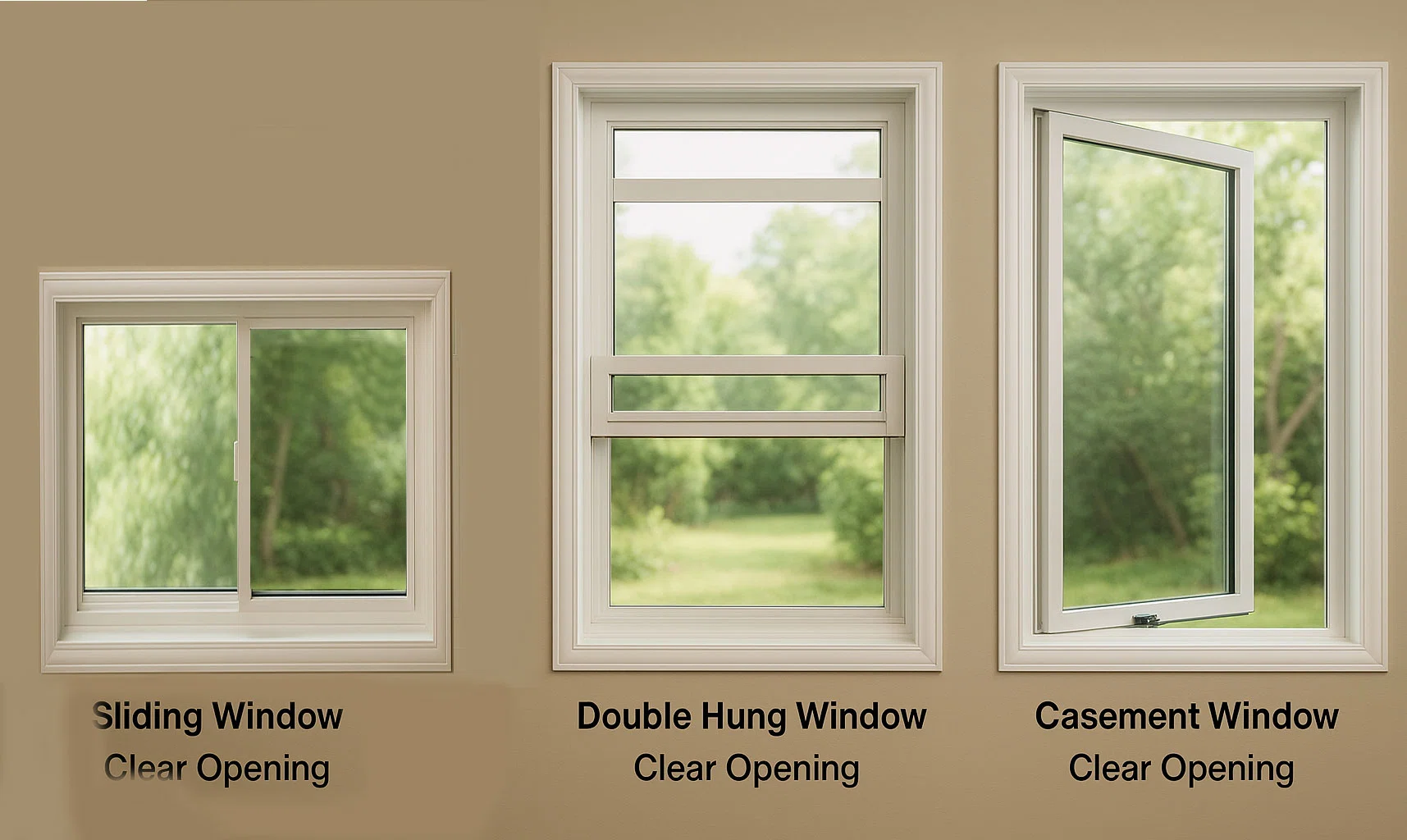
Quick Answer: Casement windows generally outperform sliding windows in energy efficiency, ventilation, and security, while sliders excel in affordability, space
Whether you’re designing a sleek residential space or outfitting a large commercial project, energy efficiency is no longer a luxury—it’s
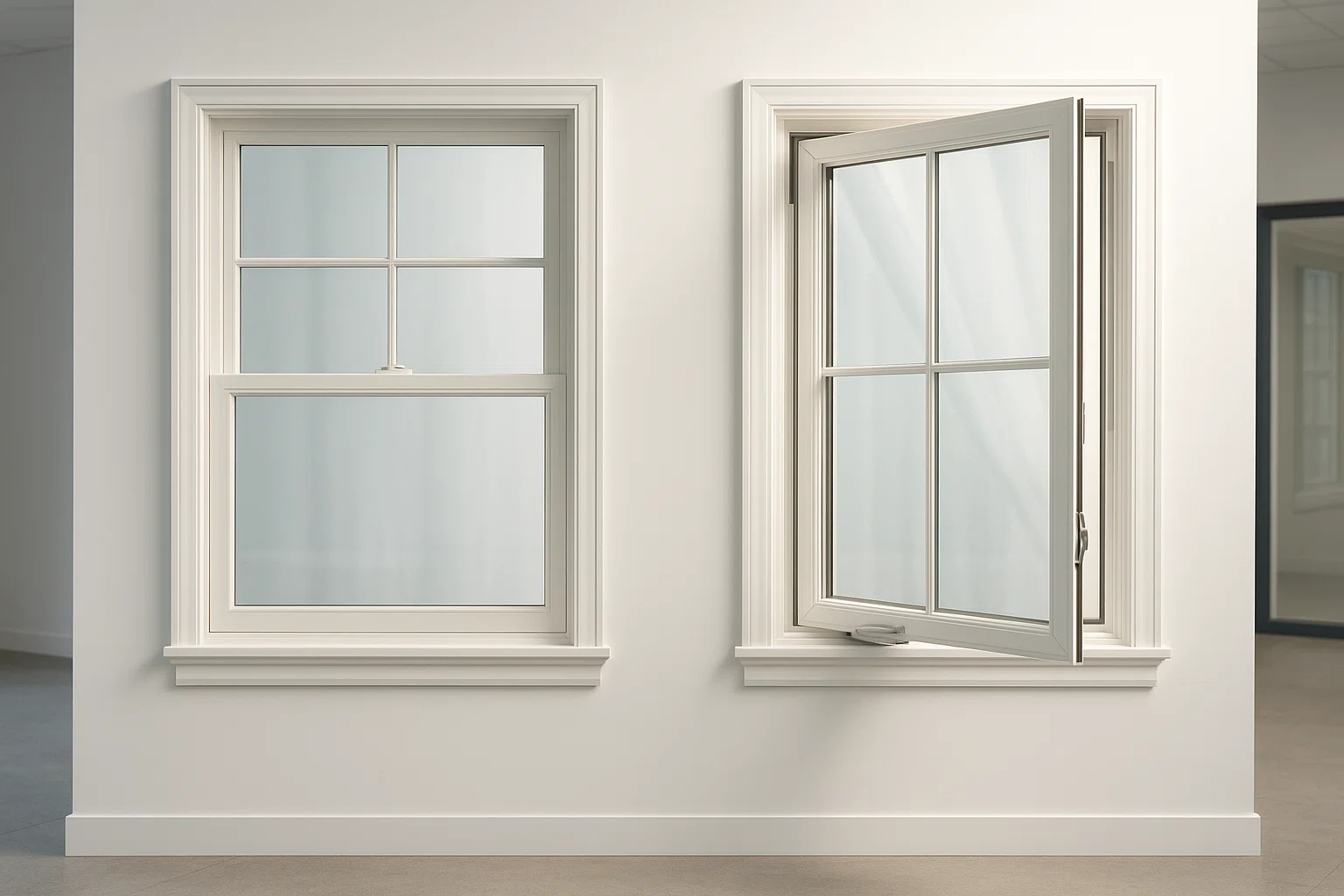
Benefit in one line: This guide shows window dealers how to turn a small price premium into long‑term profit and
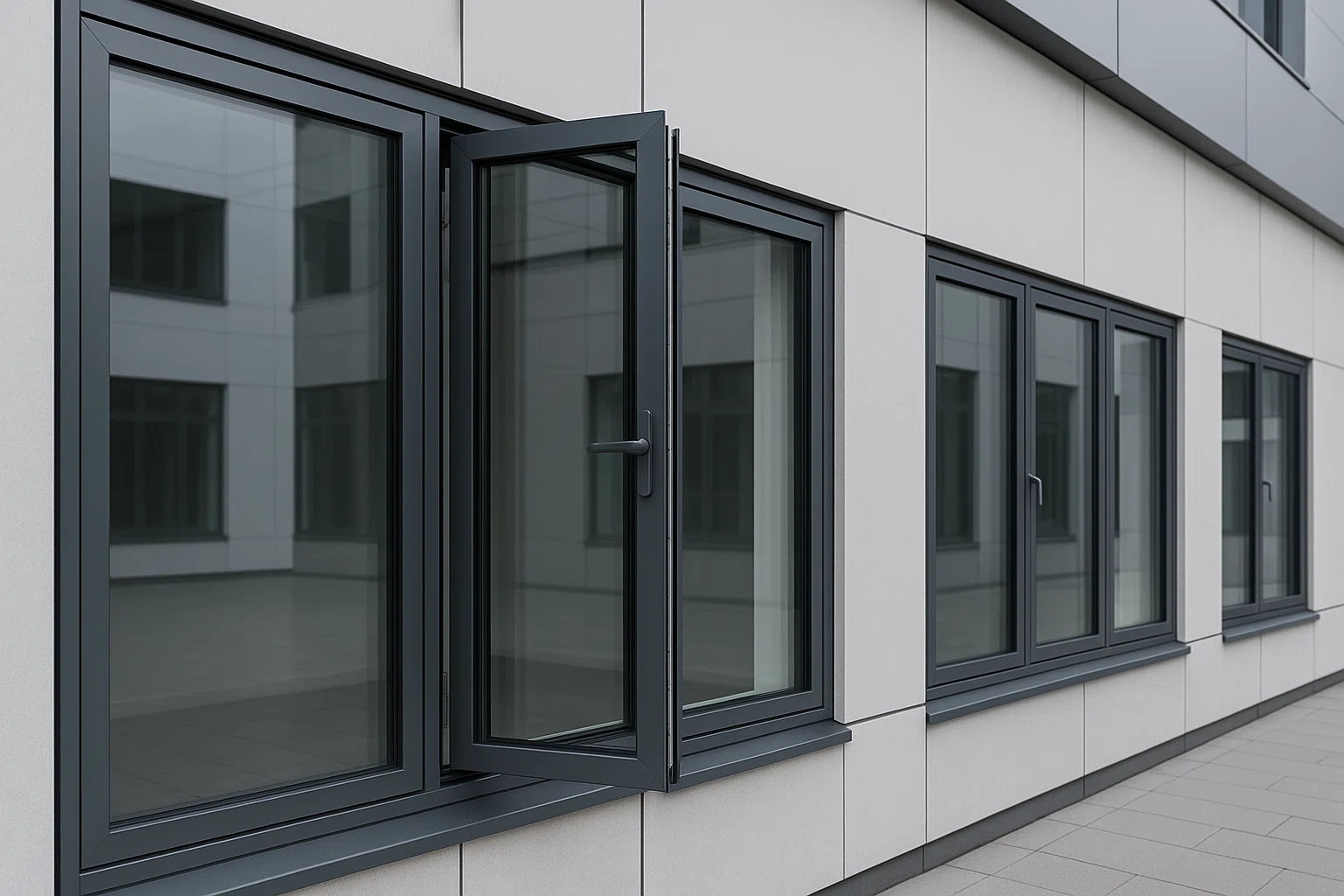
“I finally sleep at night—our street-front showroom is no longer a soft target.”— Midwest Dealer Network Operations Manager If you
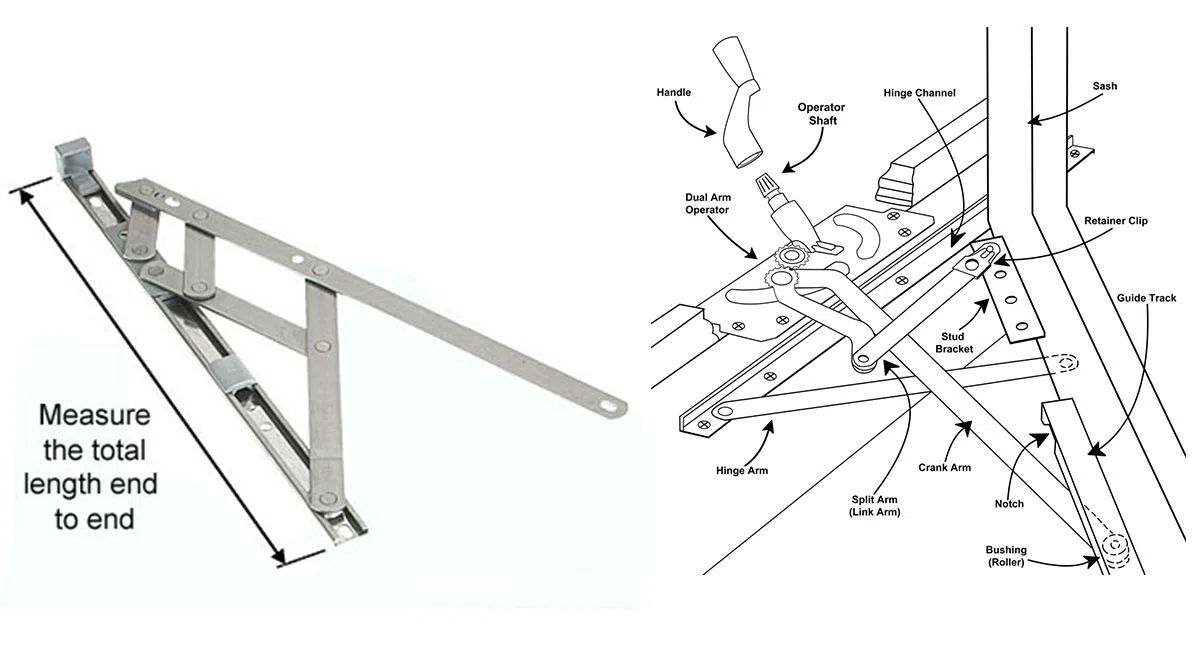
Choosing the right casement windows isn’t just about the glass or the style—it’s also about the hardware that
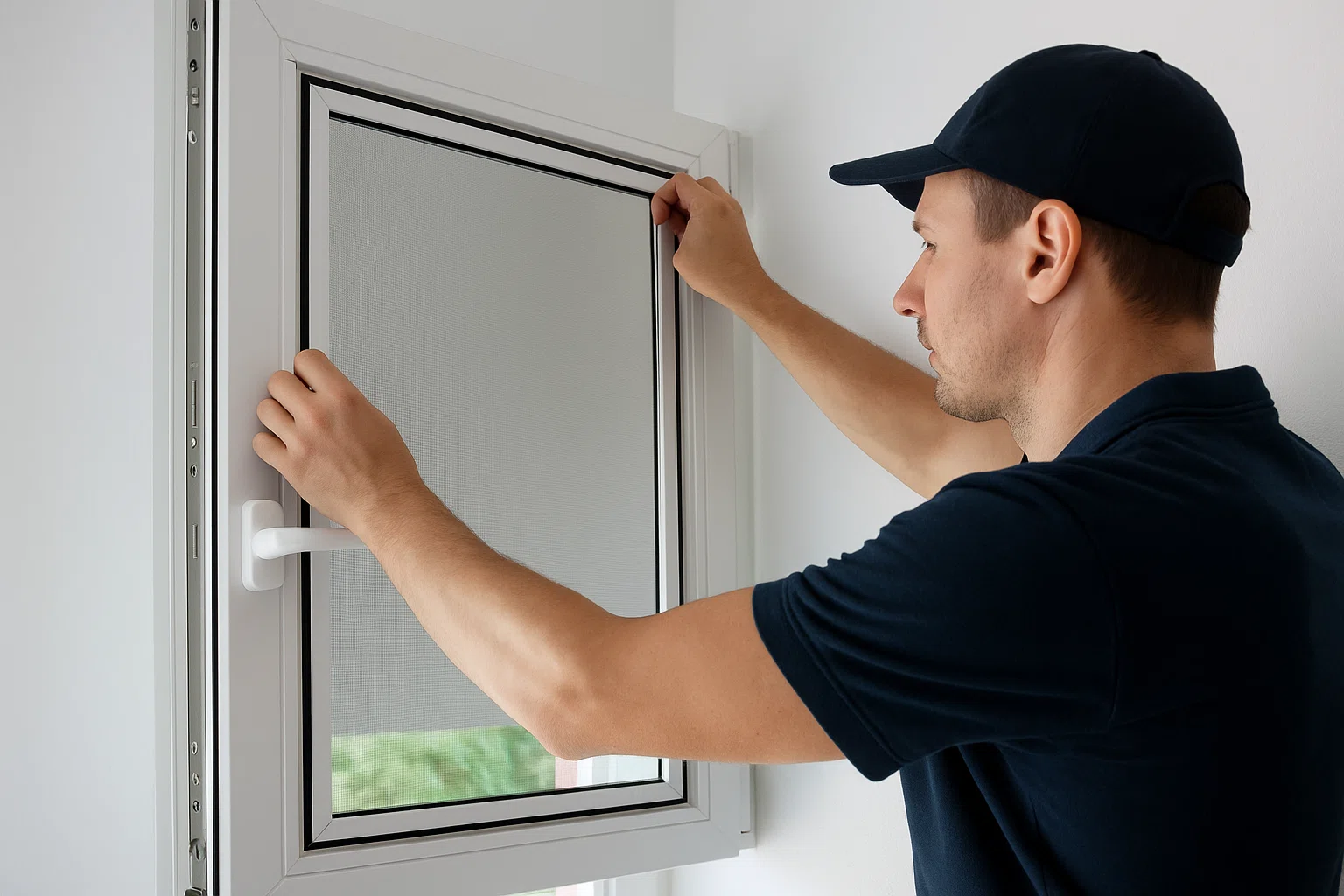
When selecting windows for residential or commercial projects, many clients ask the same question:Do casement windows have screens?
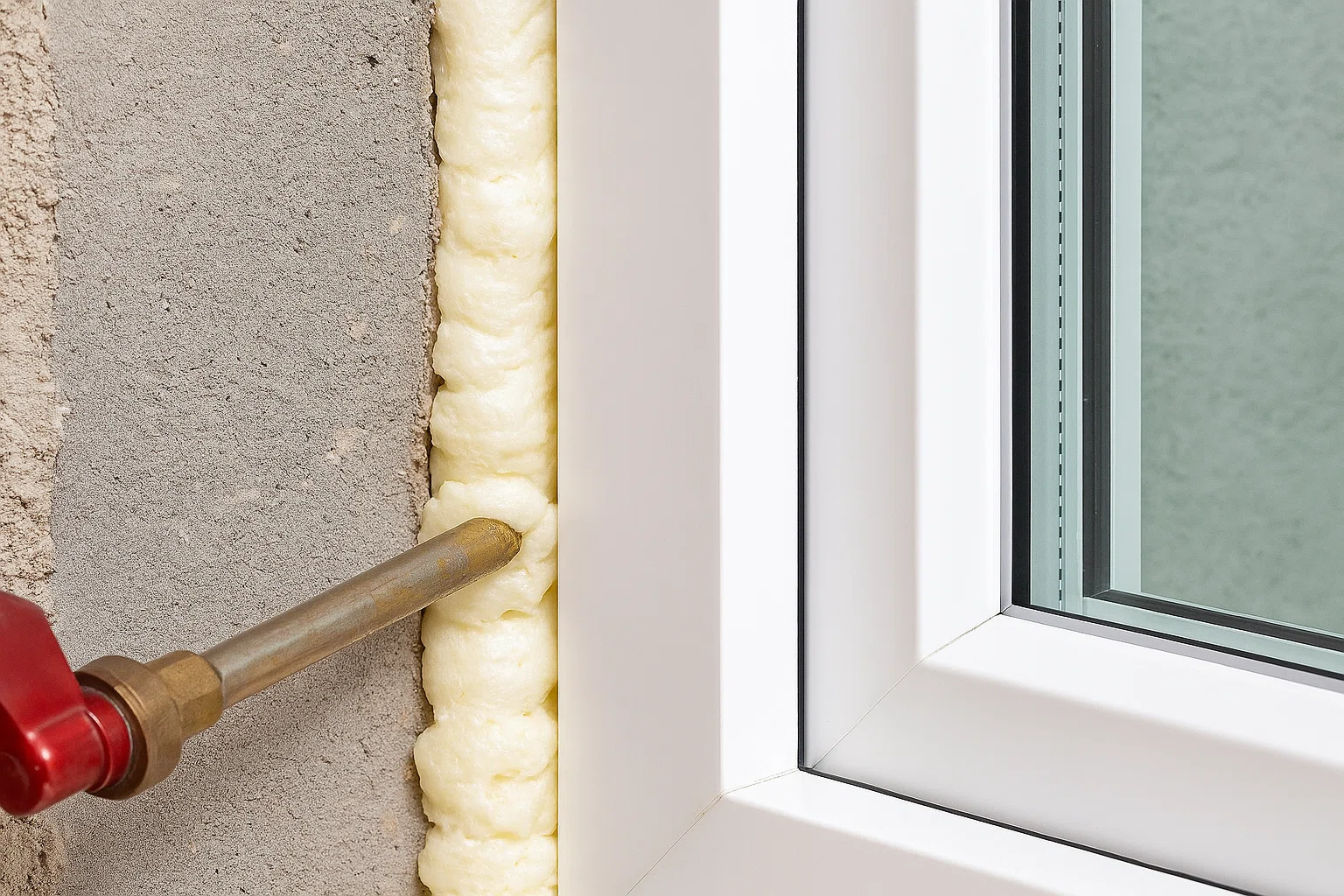
Thinking about replacing your old casement window? Whether it’s due to draft issues, outdated style, or damaged frames, knowing how
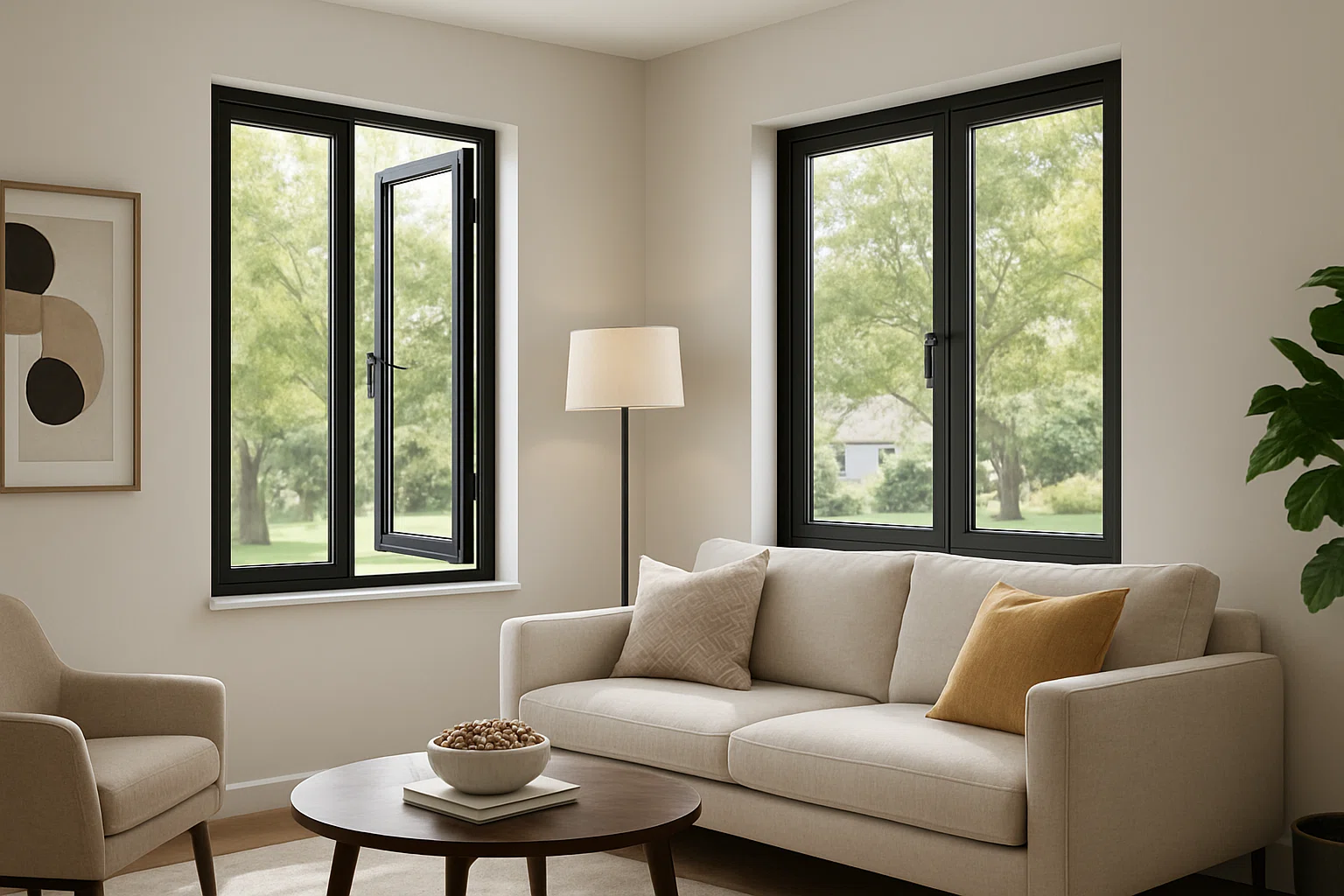
Whether you’re building a new home or upgrading your existing windows, understanding the ins and outs of casement windows can
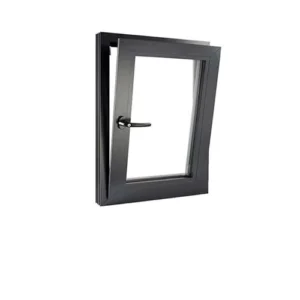
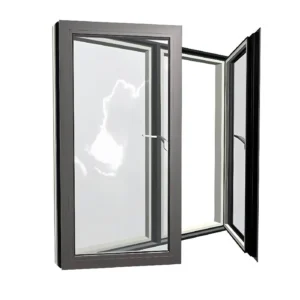
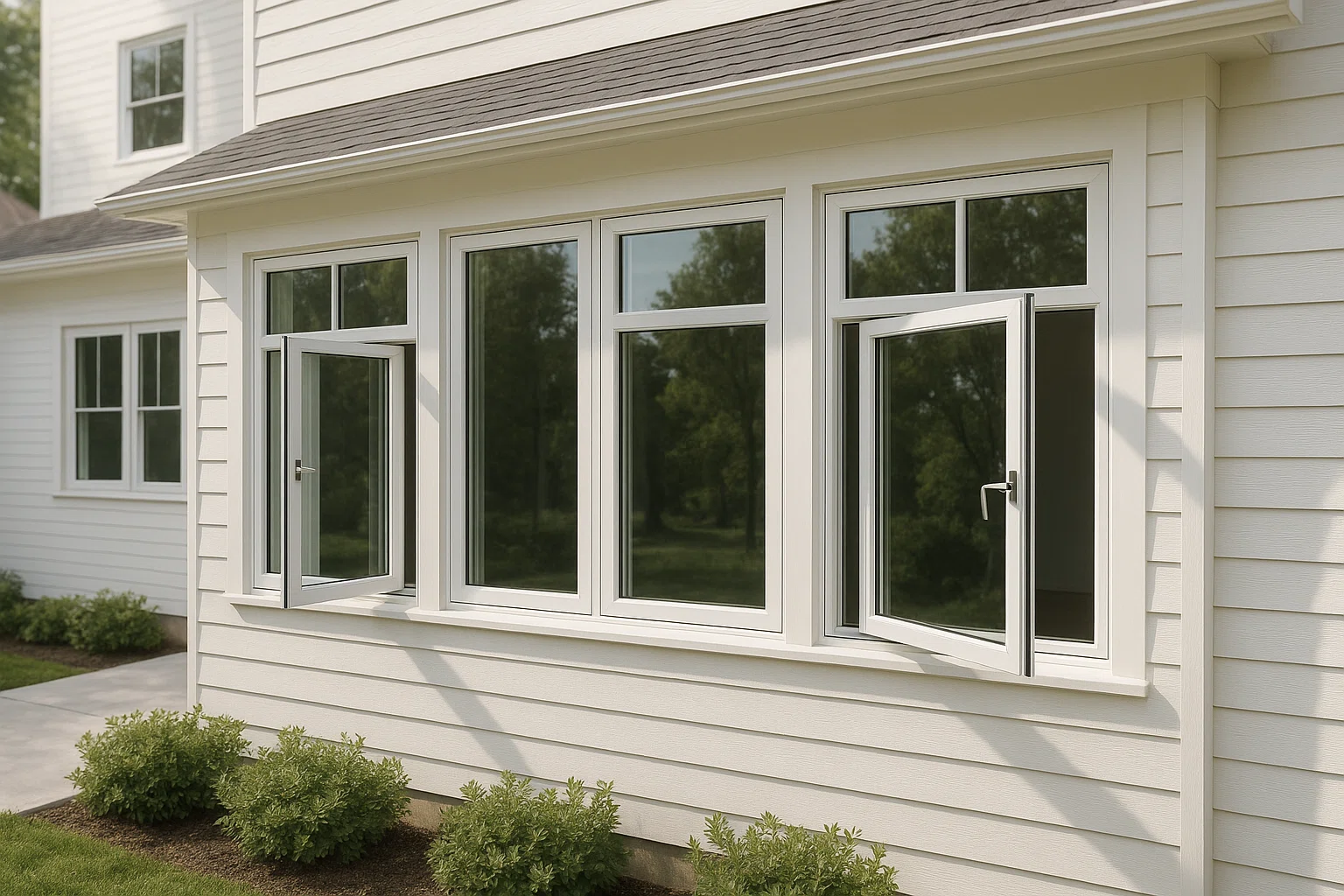
A casement window, also known as a side-hinged window, hinged window, outward-opening window, or French window, is a window that swings outward like a door, typically operated with a crank handle. Its design allows up to 90° opening, maximizing ventilation and natural light in your home.
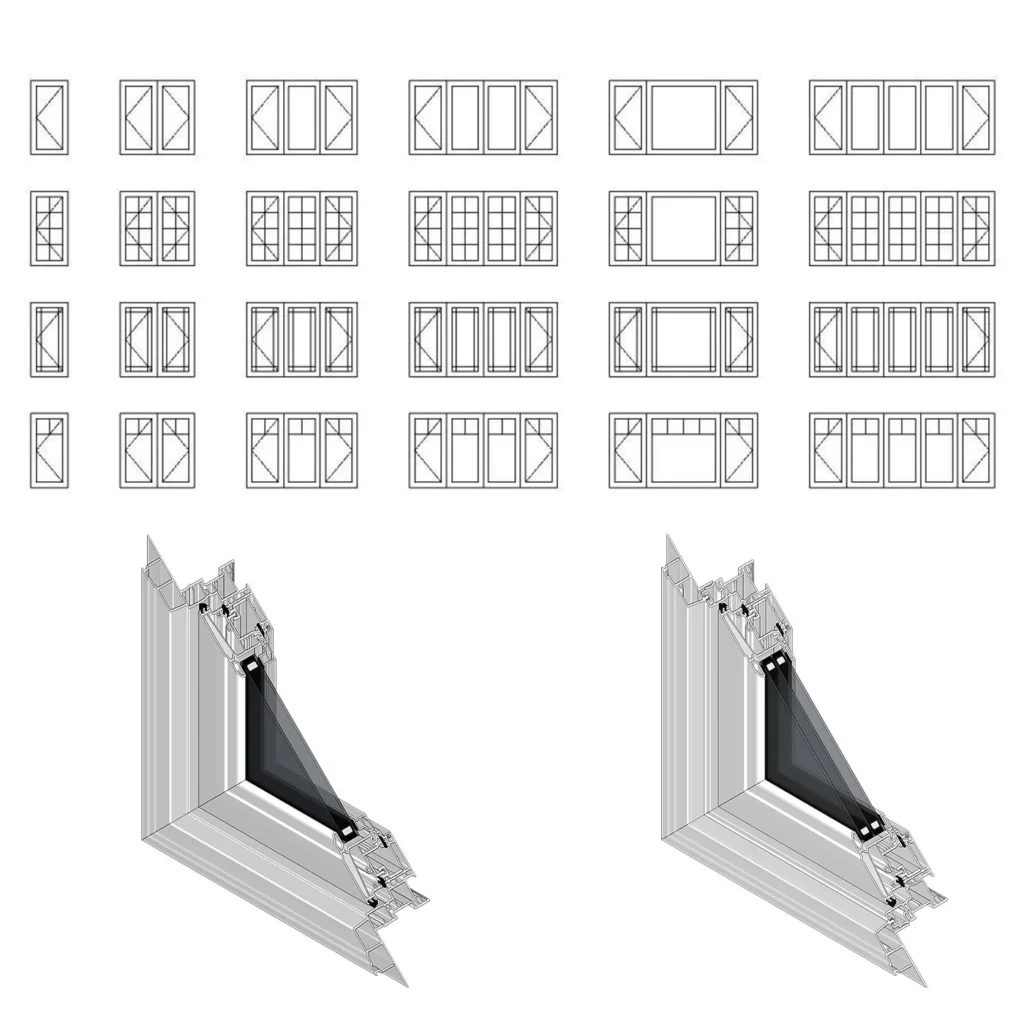
Available in vinyl, aluminum, wood, or fiberglass, a casement window provides a tight seal when closed, thanks to compression gaskets, improving energy efficiency by reducing drafts and heat loss. The interior-mounted screen stays protected from the elements, and the outward-swinging sash makes cleaning from inside easy—ideal for kitchens, bathrooms, sunrooms, or any area where fresh air is a priority.
Thanks to its full-opening design, the casement window harnesses the “sail effect” to channel breezes indoors. While the outward swing can occasionally block walkways, regular crank lubrication ensures smooth operation. With a variety of finishes, grille patterns, and high-performance glass options, a casement-style window combines aesthetic versatility with long-term performance, making it a smart choice for homeowners seeking style, function, and energy efficiency.
Casement windows are some of the best windows to put above sinks and in kitchens because they can be easily opened, even at a stretch. They’re also great for living rooms or other spaces where you want to bring in sweeping amounts of fresh air, since they can be up to 8 feet tall and create top to bottom air flow.
Casement window sizes will vary depending on the design and series you choose. Our largest casement window is 4-feet wide and 8-feet high (A-Series product line), and custom sizing is also available.
Casement window hardware can be either traditional or contemporary.
A bay window usually consists of three windows in an angular shape at 30, 45, or 90 degrees (a “box bay” has 90-degree angles). A bow window is a larger array of windows taking a more rounded form with 10-degree angles on windows. Both bay and bow windows extend from the exterior of a home and can consist of casement, double-hung, or picture windows.
Casement windows have several advantages. They can be quite large, are easy to open, and create top to bottom air flow.
It’s possible for wind to damage casement windows if the wind is strong enough and the window is left open. Good materials and design, proper installation and use, and keeping up with any necessary maintenance are a good way to keep casement windows from getting damaged.
Yes, you can put insect screens on casement windows.
A common size for a casement window is around 3 feet wide by 5 feet tall, but “standard sizing” will vary depending on the model, design, and application.
Casement windows can be made of several different materials, each with their own benefits. Nearly all of our casement windows have a wood core for improved durability and insulation that’s covered (clad) in another material for protection against the elements. Aluminum-clad casement windows are extremely durable, virtually maintenance-free, and can have nearly limitless customizations. Vinyl-clad casement windows are low-maintenance and generally cost less. This material is a special blend of reclaimed wood fiber and thermoplastic polymer which is twice as strong as vinyl, won’t fade, flake, blister, or peel,* and helps dark colors stay dark.