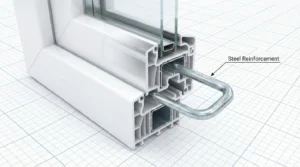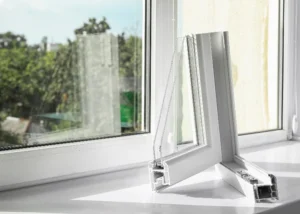
Is your vinyl Sliding Window sticking, squeaking, or requiring extra effort to open? Don’t worry — this is a common issue, and in most cases, the fix is simple and quick. In this guide, you’ll learn how to clean, lubricate, and maintain your Sliding Window (also called gliding window) to glide effortlessly and last longer.
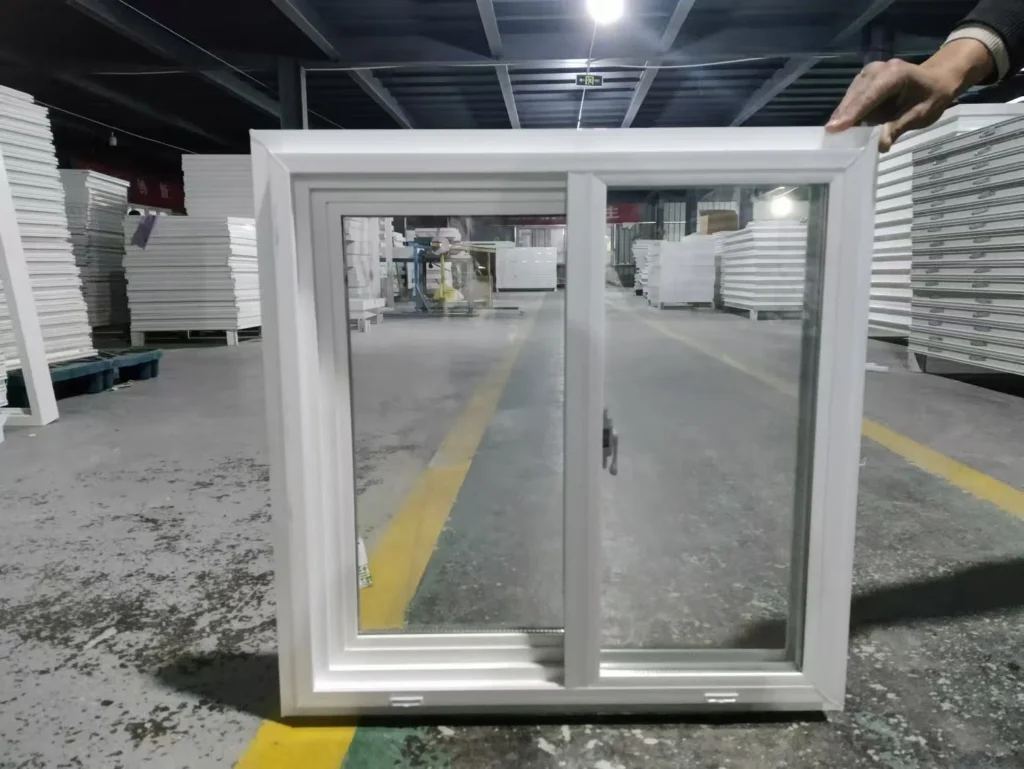
Why Lubrication Matters for Vinyl Sliding Windows
Even though vinyl windows are known for durability and low-maintenance, over time dust, pollen, and debris accumulate in tracks, causing friction and sticking. Proper lubrication:
Reduces friction for smooth operation
Protects tracks and contact surfaces
Maintains seals and alignment, improving energy efficiency
Skipping regular cleaning and lubrication can eventually lead to costly repairs or premature replacement.Cleaning the tracks before lubrication is critical—learn how to clean sliding windows properly.
Choosing the Right Lubricant (and What to Avoid)
Choosing the correct lubricant is crucial for protecting vinyl and ensuring smooth operation.
[Step] ✅ Recommended Lubricants
Use a 100% silicone spray or a dry PTFE (Teflon) lubricant. They are safe for vinyl, plastic, and rubber, and will not attract dust or dirt.
[Step] 🚫 Lubricants to Avoid
Avoid oil-based sprays (like standard WD-40), heavy greases, or lithium compounds — they attract dirt, may degrade vinyl, and can worsen sticking.
[Tips Box] Pro Tip: Always test a small hidden area first and use thin, controlled applications — more isn’t better.
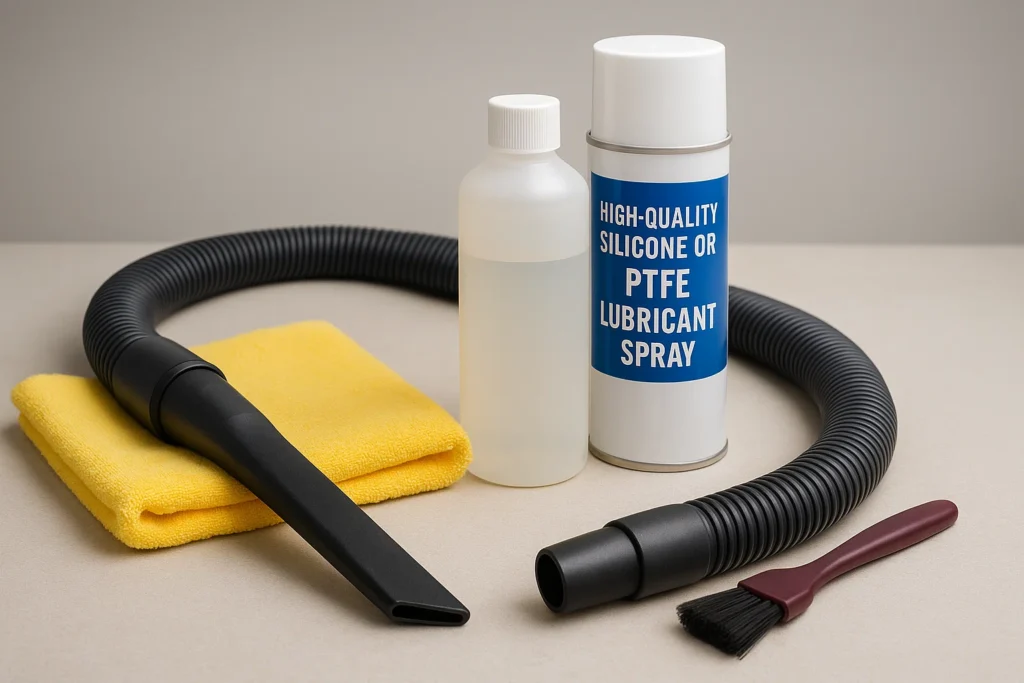
Tools & Materials Needed
Vacuum cleaner with crevice tool
Soft cloth or sponge
Mild detergent or isopropyl alcohol
High-quality silicone or PTFE lubricant spray
Small brush for corners
Step-by-Step Guide: Cleaning and Lubricating
Step 1: Clean the Tracks
Open the window fully.
Vacuum debris from sill track, side rails, and top guide.
Wipe with damp cloth and mild detergent; use a brush for corners.
Dry thoroughly — lubricant won’t adhere to wet residue.
Step 2: Apply Lubricant
Shake the can well and apply to a dry cloth or narrow applicator to avoid overspray.
Wipe along the sill, side, and top tracks, as well as rollers or hidden contact points.
Open and close the window several times to distribute evenly.
Step 3: Remove Excess & Test
Wipe away overspray from glass, frame, and sill.
Check that the window moves smoothly; apply a second light coat if needed.
Maintenance Schedule
High-use windows: once a year
Low-use windows: every 18–24 months
Seasonal check: spring and fall after debris buildup
Regular cleaning of tracks is recommended between lubrication cycles
Troubleshooting Common Issues
Track Damage or Warping
Bent, warped, or misaligned tracks may require repair. Lubricant alone won’t fix structural issues.
Weather-Stripping Interference
Check seals; misaligned or peeling weather-stripping can block smooth movement.
Rollers or Balance Mechanism Issues
Misaligned frames cause friction; check how to install a sliding window correctly,Failing rollers or sash balance may need replacement. Clean and lubricate won’t fix broken hardware.
Age or Vinyl Degradation
Old or cracked frames may require professional replacement for smooth operation.
Extra Tips for Long-Term Window Health
Keep tracks free of leaves, grit, and hair.
Avoid harsh chemicals or abrasives on vinyl.
In coastal or humid areas, rinse tracks occasionally.
Mark your calendar for annual cleaning and lubrication.
Summary
Cleaning and lubricating your Sliding Window can restore effortless movement. Use silicone or PTFE sprays, avoid oils or grease, and always check for mechanical issues. Regular maintenance prolongs window life and prevents costly repairs.If the window still sticks, damage might require pane replacement instead of lubrication.
Q&A Section
-
Q: Can I use standard WD-40 on my vinyl sliding windows?
A: No. Standard WD-40 is oil-based, attracts dust, and can worsen sticking. Use a dry-film or silicone spray instead.
-
Q: What if I apply silicone spray and the window still sticks?
A: Check for track damage, misaligned weather-stripping, or failing rollers or sash balance.
-
Q: What lubricant is safe for vinyl sliding windows?
A: Use dry silicone or PTFE sprays labeled safe for vinyl, plastic, and rubber.
-
Q: How often should I lubricate my vinyl sliders?
A: High-use windows: once a year. Low-use windows: every 18–24 months. Always clean tracks first.
For more other questions and answers, check our FAQ page: https://supwindow.com/sliding-window-frequently-asked-questions/