PVC vs. Aluminum Windows: The Ultimate 2026 Performance & Decision Guide
Choosing windows for your home isn’t just a purchase; it’s a 30-year commitment to your family’s comfort, security,

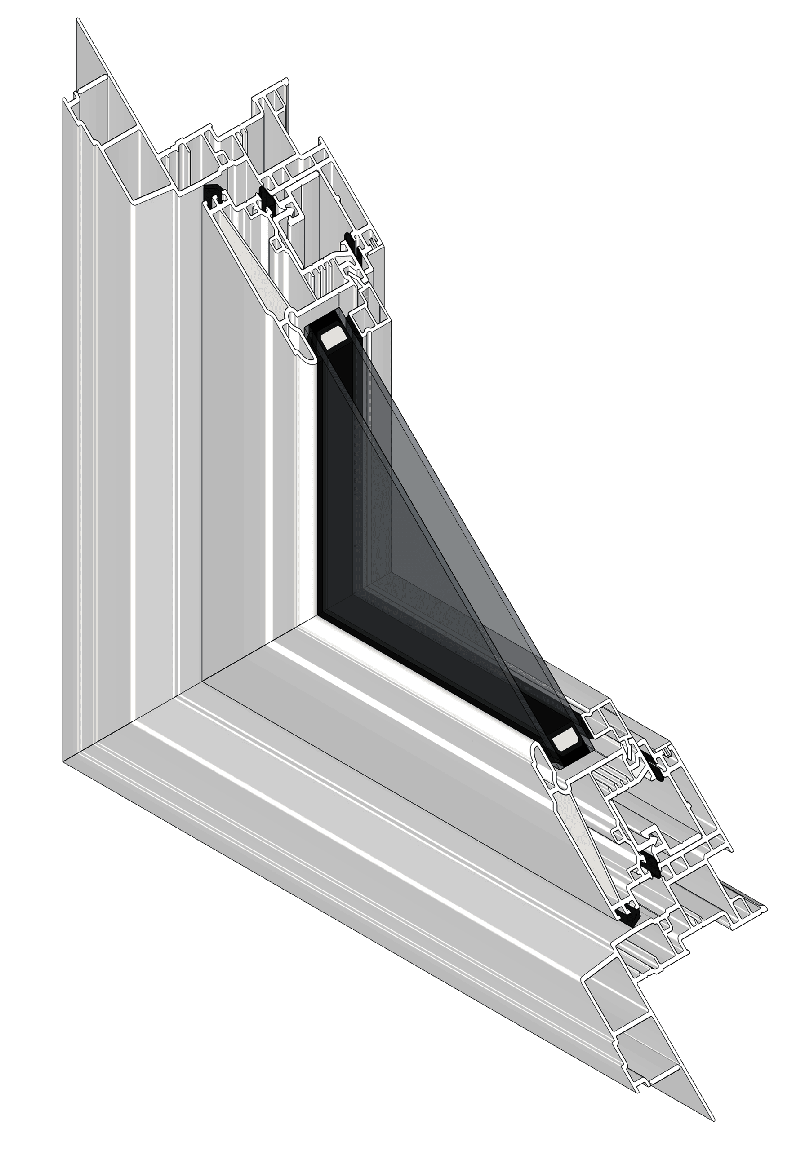
Choosing windows for your home isn’t just a purchase; it’s a 30-year commitment to your family’s comfort, security,
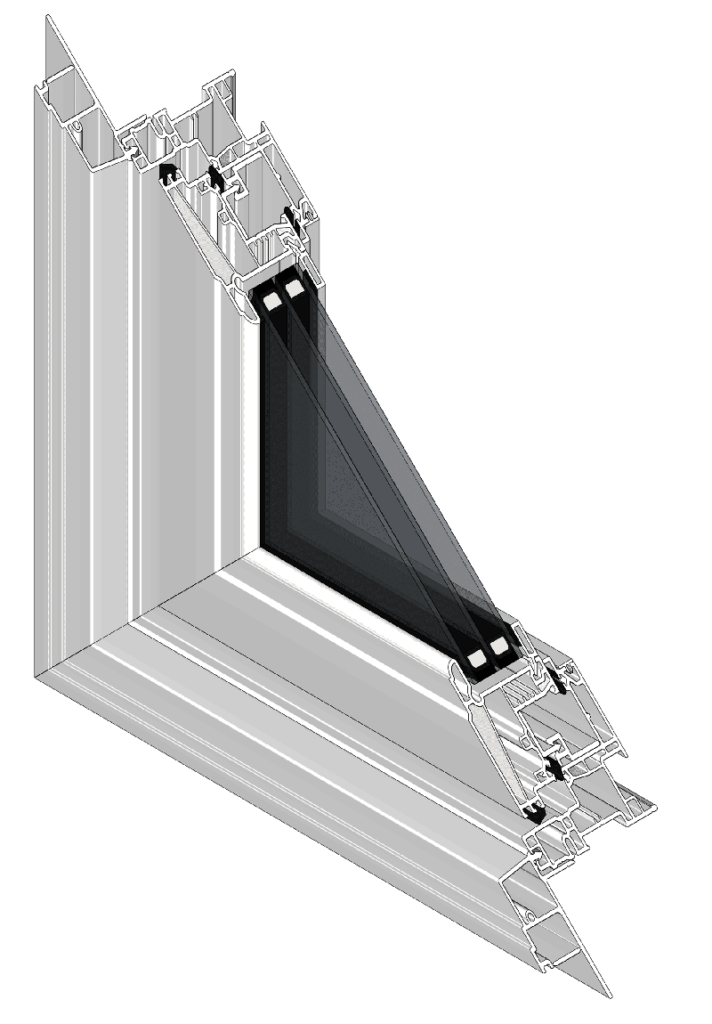
You are standing in a showroom, or perhaps browsing endless product pages online for vinyl windows. You see

Vinyl windows (also known as PVC Windows or uPVC Windows) are a popular choice for homeowners due to
A vinyl window is a window with a frame made of unplasticized polyvinyl chloride (uPVC), a rigid and durable type of plastic. Unlike regular PVC, which is flexible due to plasticizers, uPVC is hard, inflexible, and ideal for window frames. In the U.S., these windows are commonly referred to simply as vinyl windows.
Key features of vinyl (uPVC) windows:
Durability: Vinyl windows resist weathering, corrosion, rot, and warping, making them long-lasting even in harsh climates.
Energy efficiency: Vinyl frames have low thermal conductivity, which helps prevent heat loss or gain. Combined with double or triple glazing, they improve insulation and reduce energy bills.
Low maintenance: Unlike wood, vinyl window frames don’t need painting or staining and are easy to clean.
Sound insulation: Vinyl windows reduce exterior noise effectively.
Security: Many vinyl windows feature multi-point locking systems for enhanced safety.
Cost-effective: Vinyl windows are generally less expensive than comparable wood or aluminum windows while still offering excellent performance.
Weatherproof: Resistant to rain, UV rays, wind, and temperature changes, making them ideal for most U.S. climates.
Long lifespan: Properly maintained vinyl windows can last 20–30 years.
Environmentally friendly: Vinyl frames are 100% recyclable.
Vinyl (uPVC) vs PVC:
PVC contains plasticizers → flexible → used for wires, toys, and shower curtains.
Vinyl (uPVC) → rigid and durable → ideal for window frames and pipes.
Vinyl vs other window materials:
Aluminum: Sleek but less insulated and can corrode; vinyl windows offer better energy efficiency and lower maintenance.
Wood: Classic look but prone to rot and requires regular upkeep; vinyl is durable and low-maintenance.
In short: vinyl windows are durable, energy-efficient, low-maintenance, weather-resistant, and cost-effective, making them one of the most popular choices for residential and commercial window installations in the U.S.
Yes, vinyl windows are highly durable, cost-effective, and energy-efficient. They provide excellent insulation, reduce noise, and require minimal maintenance compared to wood or aluminum windows, making them a reliable choice for most U.S. climates.
Vinyl windows outperform wood windows in durability, maintenance, and cost. Unlike wood, vinyl doesn’t rot, warp, or need painting, while still offering good insulation. Wood windows can look classic, but vinyl is a more practical, long-lasting choice.
Vinyl windows offer superior energy efficiency and low maintenance compared to aluminum. Aluminum windows can corrode and conduct heat, increasing energy costs. Vinyl frames provide excellent insulation, durability, and are ideal for varied U.S. climates.
Properly maintained vinyl windows can last 20–30 years. They resist rot, corrosion, and weathering, maintaining performance over decades. This long lifespan makes them a cost-effective investment for homeowners looking for durable, low-maintenance window solutions.
Vinyl windows are generally more affordable than wood or aluminum alternatives. Costs vary by size, style, and glazing options, but vinyl offers excellent long-term value thanks to low maintenance, energy efficiency, and durability.
Yes, vinyl windows are highly energy-efficient. The uPVC material acts as a natural insulator, reducing heat transfer. Combined with double or triple glazing, vinyl windows help lower heating and cooling bills while keeping homes comfortable year-round.
Vinyl windows can be painted, but it’s not usually necessary. Factory-applied finishes last longer and maintain warranties. Custom painting is possible with high-quality paint, allowing homeowners to match window frames to their home’s exterior.
Vinyl windows require minimal maintenance. Regular cleaning with water and mild soap is usually enough. Unlike wood windows, they don’t need painting or staining, making them an easy-to-care-for option for busy homeowners.
Yes, vinyl windows are weather-resistant. They resist moisture, UV damage, wind, and temperature changes, making them suitable for coastal areas, hot summers, and cold winters. They maintain structural integrity and performance under harsh conditions.
Vinyl windows provide good sound insulation. The rigid frames combined with double or triple-pane glass reduce exterior noise, creating a quieter indoor environment. They are ideal for homes in busy neighborhoods or near highways.
Yes, vinyl windows are easy to replace or upgrade. Many models fit existing frames, and options like double or triple glazing can be added. Homeowners can improve energy efficiency and home comfort without extensive construction.
Pros: durable, low-maintenance, energy-efficient, cost-effective, and weather-resistant. Cons: limited color options compared to wood, and frames may expand slightly in extreme heat. Overall, vinyl windows are a practical choice for most homes.
Vinyl windows are secure and often come with multi-point locking systems. The rigid frames are resistant to forced entry, and paired with durable glass options, vinyl windows provide excellent safety and peace of mind for homeowners.
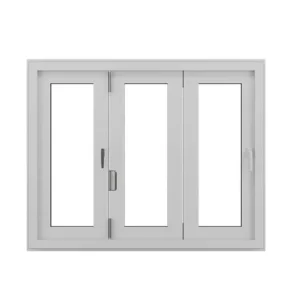
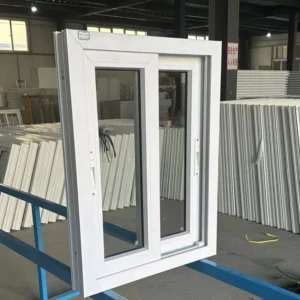
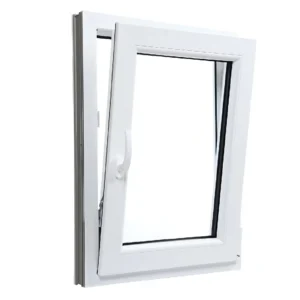
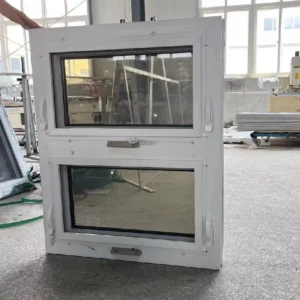
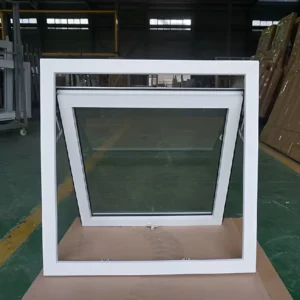
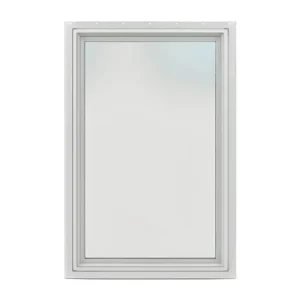
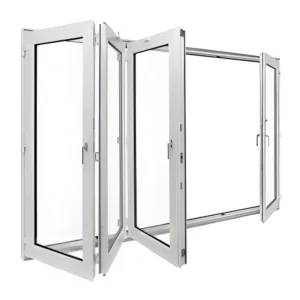
Common vinyl window types include single hung, double hung, sliding, casement, bay, garden, and impact-resistant windows. This variety allows homeowners to choose styles that fit their home’s design while maintaining energy efficiency and durability.
Yes, vinyl windows are available in several colors, finishes, and styles. Modern manufacturing allows custom colors and wood-grain textures, helping homeowners match windows to their home’s exterior while retaining low maintenance benefits.
Vinyl windows are cost-effective, energy-efficient, and low-maintenance compared to fiberglass or composite options. While fiberglass is stronger, vinyl provides excellent insulation and durability at a lower price, making it a popular U.S. choice.
Vinyl windows are available through home improvement stores like Home Depot, Lowe’s, or local window specialists. Many manufacturers also offer online quotes and installation services, making it easy to find and install vinyl windows nearby.