**Can You Replace Wood Windows with Vinyl? The Complete Guide for Homeowners**
If you’re living in an older home with original wood windows, you’ve likely asked yourself this question at some point. Those classic frames may look charming, but they come with a long list of headaches—drafty rooms, peeling paint, rotting sills, and energy bills that seem to climb every winter. The idea of switching to vinyl sounds appealing, but you probably have concerns. Will it change the look of your home? Is it a downgrade? And most importantly, is it even possible to make the switch without major renovations?
The short answer is yes—you can absolutely replace wood windows with vinyl. In fact, millions of homeowners have made this exact transition, and for good reason. Modern vinyl window technology has advanced significantly over the past decade, offering performance that often exceeds what traditional wood can provide. But as with any home improvement decision, the devil is in the details. This guide will walk you through everything you need to know, from costs and installation considerations to aesthetic outcomes and long-term value.

**Understanding the Core Differences Between Wood and Vinyl Windows**
Before diving into the replacement process, it’s worth understanding what you’re working with. Wood windows have been the standard for centuries, and they remain popular in historic homes and high-end custom builds. But vinyl has emerged as the dominant choice for replacement windows across the United States, accounting for roughly 60% of all residential window installations today.
**Wood Windows: The Traditional Choice**
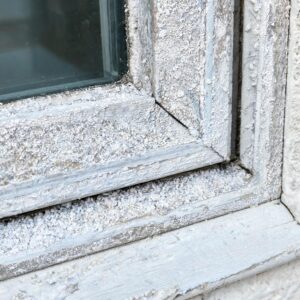
Wood windows offer undeniable aesthetic appeal. The natural grain, warmth, and character of real wood are difficult to replicate. They can be painted or stained in virtually any color, and when properly maintained, they can last for decades. However, that “properly maintained” part is the catch. Wood is porous and susceptible to moisture damage, rot, insect infestation, and warping. Regular painting or sealing is required every few years, and even then, problems can develop in areas exposed to frequent rain or humidity.
From an energy efficiency standpoint, wood is actually a decent insulator. Its natural cellular structure traps air, providing reasonable thermal performance. But the weak points are almost always the seals, weatherstripping, and glazing—especially in older windows that may have single-pane glass and deteriorated caulking.
**Vinyl Windows: The Modern Solution**
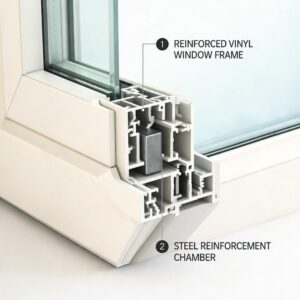
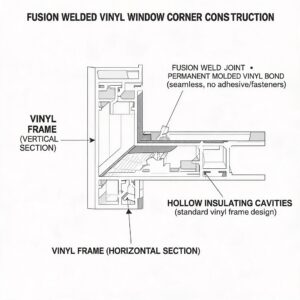
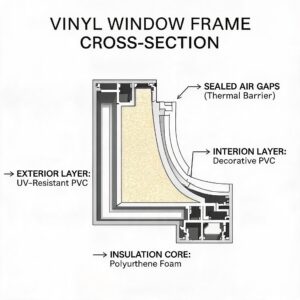
Vinyl windows are made from polyvinyl chloride (PVC), a durable plastic material that has been engineered specifically for window applications. Unlike wood, vinyl does not rot, warp, or require painting. The color is molded throughout the material, so there’s no finish to maintain. Modern vinyl windows feature multi-chambered frames that create thermal breaks, significantly improving insulation compared to older wood frames.
The glass technology in vinyl windows has also evolved. Double-pane and triple-pane options with low-emissivity (Low-E) coatings, argon gas fills, and warm-edge spacers are now standard in quality products. These features dramatically reduce heat transfer, keeping your home more comfortable year-round while lowering energy costs.
**Can You Replace Wood Windows with Vinyl Without Major Renovations?**
This is the question that keeps many homeowners from moving forward. The good news is that in most cases, the answer is yes. Professional installers use a process called “full-frame replacement” or “insert replacement,” depending on the condition of your existing frame.
**Full-Frame Replacement**
If your wood window frames are damaged, rotted, or severely deteriorated, a full-frame replacement is the best option. This involves removing the entire existing window unit, including the frame, and installing a completely new vinyl window with its own frame. This approach allows for the most thorough insulation and ensures that any underlying moisture damage is addressed before the new window goes in.
The process requires more labor and materials, but it’s the gold standard for replacement. It also gives you the opportunity to inspect and repair the surrounding wall structure if needed.
**Insert Replacement (Retrofit)**
For homes where the existing wood frame is still in good condition, an insert replacement is a faster and more cost-effective option. The old sashes and operating hardware are removed, but the existing frame remains in place. A new vinyl window unit is then inserted into the existing frame and secured. This approach preserves the original trim and exterior appearance while giving you all the benefits of modern vinyl technology.
Insert replacement typically takes less time and creates less mess than full-frame replacement. However, it’s only suitable when the existing frame is structurally sound and properly sealed.
**Wood to Vinyl Window Conversion Cost: What to Expect**
One of the most common concerns homeowners have is the cost of making the switch. The wood to vinyl window conversion cost varies widely depending on several factors, including the number of windows, their size and style, the quality of the vinyl windows you choose, and whether you opt for full-frame or insert replacement.
On average, homeowners can expect to pay between $450 and $1,200 per window for professional installation, with most standard double-hung windows falling in the $600 to $900 range. This includes both materials and labor. For a typical home with 10 to 15 windows, the total project cost ranges from $6,000 to $15,000.
While that may seem like a significant investment, it’s important to consider the long-term savings. Energy-efficient vinyl windows can reduce heating and cooling costs by 15% to 30% annually, depending on your climate and the condition of your old windows. Over the lifespan of the windows—which can be 20 to 40 years with proper care—the energy savings alone can offset a substantial portion of the initial cost.
Additionally, vinyl windows require virtually no maintenance. You won’t be spending money on paint, stain, or sealants every few years. No more scraping peeling paint or replacing rotted sills. The lifetime maintenance savings are significant.
**Aesthetic Differences Between Wood and Vinyl Replacements**
Let’s address the elephant in the room: will your home look different after switching to vinyl? The aesthetic differences between wood and vinyl replacements are worth understanding before you make a decision.
**Interior Appearance**
From the inside, modern vinyl windows can closely mimic the look of painted wood. Many manufacturers offer smooth or wood-grain finishes that replicate the texture of real wood. White is the most common color, but you can also find vinyl windows in beige, tan, brown, and even dark bronze. Some premium lines offer laminated finishes that look remarkably like natural wood grain.
However, it’s important to be realistic. Vinyl will never have the same depth and warmth as natural wood. If you have a historic home with stained wood trim, the transition may be noticeable. In that case, some homeowners choose to keep their interior wood trim and have the vinyl window unit installed behind it, preserving the original look while gaining modern performance.
**Exterior Appearance**
On the exterior, vinyl windows offer clean, uniform lines and consistent color. They don’t require painting, so you’ll never have to worry about peeling or fading—though some fading can occur over many years of direct sun exposure. Most quality vinyl windows are manufactured with UV-stabilized materials that resist fading far better than painted wood.
For homeowners concerned about maintaining their home’s architectural character, many vinyl window manufacturers offer styles that replicate traditional wood window designs, including divided lites, grilles, and custom shapes.
**The Hidden Benefits of Switching to Vinyl**
Beyond the obvious advantages of energy efficiency and low maintenance, there are several benefits that homeowners often discover only after making the switch.
**Noise Reduction**
Modern vinyl windows with double or triple glazing provide excellent sound insulation. If you live near a busy road, airport, or noisy neighborhood, you’ll notice a significant reduction in outside noise. The combination of multiple glass panes, insulating gas fills, and tight seals creates a barrier that wood windows simply cannot match.
**Improved Security**
Vinyl windows are inherently strong, and quality units feature reinforced frames and multi-point locking systems. Unlike wood, which can be pried open or compromised by rot, vinyl maintains its structural integrity over time. Many models also come with impact-resistant glass options for added protection.
**UV Protection**
Low-E coatings on modern vinyl windows block up to 99% of harmful ultraviolet rays. This protects your furniture, flooring, and artwork from fading and sun damage. Wood windows typically don’t offer this level of protection unless they’ve been upgraded with specialty glass.
**Condensation Control**
One of the most frustrating issues with old wood windows is condensation. When warm indoor air meets cold glass, moisture forms, leading to mold, mildew, and water damage. Modern vinyl windows are designed with warm-edge spacers and improved insulation that minimize condensation, keeping your windows dry and your home healthier.
**Common Concerns About Vinyl Windows**
No product is perfect, and vinyl windows do have some limitations worth considering.
**Temperature Expansion**
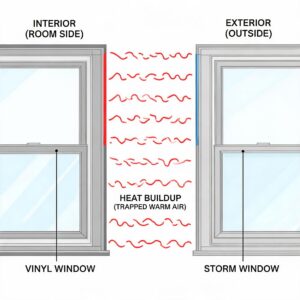
Vinyl expands and contracts with temperature changes more than wood. In extreme climates, this can cause issues with seals and operation if the windows aren’t properly installed. Quality manufacturers account for this in their design, and professional installation ensures adequate clearance for expansion.
**Color Limitations**
While vinyl comes in a range of colors, you’re generally limited to lighter shades. Dark colors absorb more heat, which can cause warping or distortion in vinyl frames. If you want dark or bold colors, you may need to consider aluminum-clad or fiberglass options.
**Not Ideal for Historic Districts**
If your home is in a designated historic district, there may be restrictions on window replacements. Many historic preservation boards require that replacement windows match the original materials and appearance. In these cases, wood or wood-clad windows may be the only approved option.
**The Alternative: Wood-Clad Windows**
For homeowners who love the look of wood but want the performance of modern materials, wood-clad windows offer a compelling middle ground. These windows feature a wood interior that can be stained or painted to match your decor, with an exterior cladding made of aluminum or vinyl that protects against the elements.
Wood-clad windows provide the warmth and character of real wood on the inside while eliminating the maintenance headaches on the outside. They’re typically more expensive than all-vinyl options, but they offer the best of both worlds for those who prioritize aesthetics.
**Making the Right Choice for Your Home**
Ultimately, the decision to replace wood windows with vinyl comes down to your priorities. If you value low maintenance, energy efficiency, and long-term cost savings, vinyl is an excellent choice. If preserving the original character of your home is paramount, you may want to explore wood-clad options or invest in restoring your existing wood windows.
Regardless of which path you choose, working with a reputable installer is critical. Proper measurement, installation, and sealing make the difference between windows that perform beautifully for decades and windows that cause problems from day one. Look for installers with strong warranties, positive reviews, and experience working with older homes.
**Frequently Asked Questions**
**Can you replace wood windows with vinyl in a historic home?**
Yes, but you may need to check with your local historic preservation board first. Many historic districts allow vinyl replacements if they match the original window style and proportions. Some homeowners choose to keep their original interior trim to maintain the historic look.
**How long do vinyl windows last compared to wood?**
Quality vinyl windows typically last 20 to 40 years with minimal maintenance. Wood windows can last longer if properly maintained, but they require regular painting, sealing, and repairs that vinyl doesn’t need.
**Will replacing wood windows with vinyl increase my home’s value?**
Yes, energy-efficient replacement windows are one of the top home improvements for return on investment. According to industry studies, homeowners recoup 70% to 80% of the cost when selling their home.
**Can I install vinyl windows myself?**
While it’s possible for experienced DIYers, professional installation is strongly recommended. Improper installation can lead to air leaks, water damage, and voided warranties. The labor cost is typically worth the peace of mind.
**Do vinyl windows look cheap?**
Not anymore. Modern vinyl windows come in a wide range of styles, colors, and finishes that rival the appearance of wood. Premium lines offer wood-grain textures, custom colors, and authentic divided lites that are virtually indistinguishable from traditional wood windows.
**What about wood to vinyl window conversion cost for a whole house?**
For a typical home with 10 to 15 windows, expect to pay between $6,000 and $15,000 for professional installation. This includes both materials and labor. The exact cost depends on window size, style, and whether you choose full-frame or insert replacement.
**Are there aesthetic differences between wood and vinyl replacements that I should consider?**
Yes, but the differences are subtle. Vinyl lacks the natural grain and warmth of real wood, but modern finishes can closely mimic painted wood. If you have stained wood trim, you may notice a difference. Some homeowners keep their interior wood trim to preserve the original look.
**How do I choose between vinyl replacement windows and wood-clad options?**
If low maintenance and energy efficiency are your top priorities, vinyl is the better choice. If you want the look and feel of real wood on the interior, wood-clad windows offer a premium alternative. Your budget, climate, and home’s architectural style should guide your decision.