If you’re a homeowner looking at your vinyl windows and wishing they came in a different color, you’re not alone. Vinyl windows are durable, energy-efficient, and affordable, but their color options have historically been limited to white, beige, or dark brown. The good news is that painting vinyl windows is absolutely possible when done correctly. The bad news? There’s a lot of misinformation out there, and the wrong approach can void warranties, create peeling paint, or damage your window frames permanently.
As a manufacturer who works with PVC and uPVC materials daily, I want to give you the straight facts. This guide covers everything from surface preparation to paint selection, application techniques, and long-term maintenance. Whether you’re considering a brush application, sprayer, or aerosol method, you’ll leave here knowing exactly what works and what doesn’t.
Understanding Vinyl Windows and Paint Adhesion
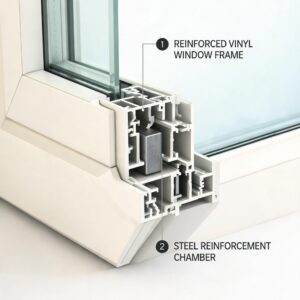
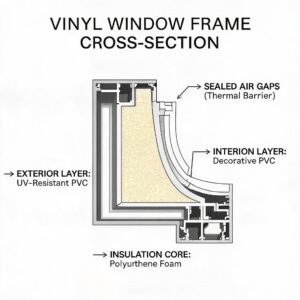
Before we talk about technique, let’s discuss the material itself. Vinyl windows are made from unplasticized polyvinyl chloride (uPVC), a material engineered to resist weathering, UV damage, and temperature fluctuations. This same durability makes uPVC naturally non-porous and slick, which is excellent for weather resistance but challenging for paint adhesion.

Many homeowners assume that any paint will stick to vinyl if they clean it well enough. That assumption leads to frustration when paint begins peeling within months. The secret lies in understanding that vinyl expands and contracts with temperature changes far more than wood or aluminum. Your paint system must flex with the substrate, or it will crack and separate.
For those considering replacing rather than painting, explore our selection of best spray paint for uPVC windows compatible frames, but if you’re committed to refinishing, read every section below carefully.
Can You Spray Paint Vinyl Windows?
This is the most common question we hear, and the answer is yes, but with important caveats. Spray painting vinyl windows produces the most professional, factory-like finish when done correctly. The key is using the right paint formulation and following proper surface preparation protocols.
Why Spray Painting Works Well
Spray application delivers an even coat without brush marks, reaches into corners and crevices that brushes miss, and creates a thinner overall film that flexes better with the vinyl substrate. However, spray painting also requires more setup, better ventilation, and careful masking to avoid overspray on glass and surrounding surfaces.
When Spray Painting Is Not Recommended
If your windows are still under warranty, check the manufacturer’s terms first. Many vinyl window warranties explicitly void coverage if paint is applied. Additionally, if your windows show signs of oxidation, chalking, or previous paint failure, spray painting will only compound the problem unless the surface is properly restored.
The Three Methods for Painting Vinyl Windows
Method 1: Brush and Roller Application
Brush application is the most accessible method for DIYers. It requires minimal equipment and works well for small projects or touch-ups. The downside is visible brush strokes unless you use self-leveling paint and maintain a wet edge.
Best for: Single windows, touch-ups, homeowners without spray equipment
Pros: Low cost, minimal masking, easy cleanup
Cons: Visible brush strokes possible, slower for multiple windows, harder to achieve uniform thickness
Recommended paint: High-quality acrylic urethane or 100% acrylic paint formulated for vinyl
Method 2: HVLP or Airless Sprayer
Using a paint sprayer gives you control over paint viscosity and spray pattern. HVLP (high volume, low pressure) sprayers are ideal for smaller projects, while airless sprayers handle larger jobs faster. Both require thinning paint to the correct consistency and practicing on cardboard before touching your windows.
Best for: Multiple windows, full house projects, experienced DIYers
Pros: Professional finish, fast application, even coverage
Cons: Higher equipment cost, significant overspray risk, extensive masking required
Method 3: Aerosol Spray Cans
Aerosol spray paint designed specifically for vinyl and plastic surfaces offers a middle ground. These cans deliver consistent pressure and a fine mist that lays down smoothly. They’re excellent for homeowners who want spray-quality results without investing in spray equipment.
Best for: 1-5 windows, detailed work, homeowners new to spray painting
Pros: No equipment purchase, easy to control, good finish quality
Cons: More expensive per square foot than bulk paint, limited color selection, cans run out quickly
How to Prep Vinyl Window Frames for Painting
Surface preparation determines 90% of your project’s success. Rushing this step guarantees failure regardless of paint quality.
Step 1: Clean Thoroughly
Vinyl windows accumulate dirt, grease, and environmental pollutants. Wash frames with trisodium phosphate (TSP) or a strong degreaser mixed with warm water. Rinse completely and allow to dry for 24 hours. Any residue will prevent adhesion.
Step 2: Sand the Surface
Light sanding creates microscopic scratches that give paint something to grip. Use 220-grit sandpaper and lightly scuff the entire surface. Focus on glossy areas and edges where paint tends to peel first. Wipe away dust with a tack cloth.
Step 3: Apply Adhesion Promoter
This step is non-negotiable for long-term results. Adhesion promoters (also called plastic primers) chemically bond to vinyl and create a surface that topcoats can grip. Apply a thin, even coat and allow it to flash according to manufacturer instructions.
Step 4: Mask Everything
Cover glass panes with painter’s tape and plastic sheeting. Protect surrounding siding, trim, and landscaping. For spray applications, extend masking at least 3 feet beyond the work area to catch overspray.
Step 5: Prime When Needed
If you’re making a dramatic color change (white to dark or dark to light), apply a high-bonding primer formulated for plastics. For same-family color changes, adhesion promoter alone may suffice.
Choosing the Best Spray Paint for uPVC Windows
Not all spray paints are created equal when it comes to vinyl. Standard spray paints contain solvents that can soften or craze uPVC, leading to permanent damage. Here’s what to look for:
- Paint type: Acrylic urethane or 100% acrylic formulations specifically labeled for plastic or vinyl
- Flexibility rating: Paint should have some elastomeric properties to move with thermal expansion
- UV resistance: Look for paints with UV stabilizers to prevent fading and chalking
- Drying time: Fast-drying formulations reduce dust contamination but require careful wet-edge management
- Recommended brands: Rust-Oleum Specialty Plastic Spray Paint, Krylon Fusion for Plastic, and Sherwin-Williams VinylSafe paint systems
Avoid oil-based paints, lacquers, and automotive paints unless specifically formulated for flexible plastics.
Step-by-Step Spray Painting Guide
Setup and Safety
Work in a well-ventilated area with temperatures between 60-80°F (15-27°C) and humidity below 60%. Windy days cause overspray drift. Wear a respirator rated for organic vapors, safety glasses, and nitrile gloves.
Application Technique
Hold the spray can or sprayer gun 8-12 inches from the surface. Apply light, overlapping passes rather than heavy coats. Start spraying before reaching the window and continue past the edge to avoid heavy buildup at start and stop points.
Apply one thin coat of adhesion promoter, allow it to dry completely, then apply two to three thin coats of color paint. Allow 15-30 minutes between coats depending on temperature and humidity. The final coat should have uniform gloss without runs or sags.
Drying and Curing
Paint dries to the touch within 1-2 hours but requires 7-14 days to fully cure and achieve maximum hardness and adhesion. During this curing period, avoid cleaning the windows, closing them tightly, or exposing them to heavy rain.
Common Mistakes and How to Avoid Them
Skipping the Adhesion Promoter
This is the number one cause of paint failure on vinyl. Adhesion promoters are not optional. They chemically etch the surface and create a bond that mechanical sanding alone cannot achieve.
Painting in Direct Sunlight
Hot surfaces cause paint to dry too quickly, leading to poor flow, orange peel texture, and reduced adhesion. Paint in the shade or on overcast days.
Applying Thick Coats
Thick paint layers look smooth initially but crack as the vinyl expands and contracts. Multiple thin coats outperform one thick coat every time.
Ignoring Temperature Limits
Vinyl becomes brittle in cold weather and soft in extreme heat. Painting outside the recommended temperature range compromises both application and long-term durability.
Forgetting to Check the Warranty
We cannot stress this enough. Many manufacturers explicitly prohibit painting. If your windows are under warranty, painting them could void coverage for structural issues, seal failures, or glass breakage.
Long-Term Maintenance for Painted Vinyl Windows
Painted vinyl windows require different care than factory-finished ones. Wash them gently with mild soap and water using a soft sponge. Avoid pressure washers, abrasive cleaners, and solvent-based products that can soften the paint.
Inspect painted surfaces annually for chips, cracks, or peeling. Touch up small areas promptly before moisture gets behind the paint film. With proper care, a professionally painted vinyl window should last 5-10 years before needing recoating.
If you’re considering new windows instead of painting, take a look at our how to prep vinyl window frames for painting guide for understanding factory finishes versus field-applied paint.
Frequently Asked Questions
Can you paint vinyl windows black?
Yes, but with caution. Dark colors absorb more heat, causing vinyl to expand more than lighter colors. Use paint specifically rated for dark colors on vinyl, and ensure the window manufacturer allows dark finishes. Some warranties exclude dark colors entirely.
What happens if paint peels on vinyl windows?
Peeling paint exposes vinyl to moisture and UV damage. Scrape loose paint, sand the edges, clean thoroughly, reapply adhesion promoter, and repaint. Never paint over peeling paint.
Can you use regular house paint on vinyl windows?
No. Standard latex house paint lacks the flexibility and adhesion required for vinyl. Use paint specifically formulated for plastic or vinyl substrates.
How long does spray paint last on vinyl windows?
With proper preparation and quality paint, expect 5-10 years before significant fading or peeling occurs. Harsh sun exposure and extreme temperature swings shorten this lifespan.
Is it better to paint or replace vinyl windows?
Paint if your windows are structurally sound, properly sealed, and you’re happy with their energy performance. Replace if windows are drafty, damaged, fogged between panes, or nearing the end of their expected lifespan (15-25 years for most vinyl windows).
Can you paint only the interior side of vinyl windows?
Yes, interior-only painting is common and avoids exterior weather exposure. Use the same preparation steps, but choose low-VOC paints for indoor air quality.
Do you need to remove windows to paint them?
No, painting in place is standard. Remove hardware like handles and locks, mask glass and surrounding surfaces, and paint carefully.
Final Thoughts
Painting vinyl windows is a rewarding project that can transform your home’s appearance without the expense of full window replacement. The key is respecting the material’s properties and following proper preparation and application procedures. Skip the shortcuts, invest in quality materials, and your painted windows will look professional and last for years.
Remember that not all vinyl windows are candidates for painting. Check your warranty, assess your windows’ condition, and honestly evaluate your DIY skills before starting. When in doubt, consult a professional painter experienced with vinyl substrates. Your windows are a significant investment, and treating them with care pays dividends in both appearance and longevity.