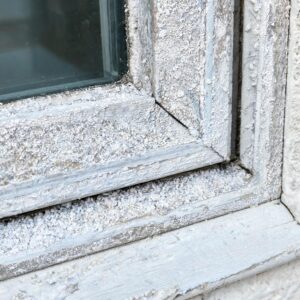
**Are Vinyl Windows Good? The Complete Guide to Quality, Design, and Performance**
When homeowners begin researching window replacements, one question surfaces more than any other: are vinyl windows actually a worthwhile investment? The answer isn’t as straightforward as many salespeople would have you believe. Over the past three decades, vinyl windows have evolved from a budget-friendly alternative into a sophisticated building product that rivals wood and aluminum in performance—yet misconceptions persist.
As a manufacturer with years of experience in extrusion technology and window engineering, we’ve seen the good, the bad, and the poorly made. The truth is that vinyl window quality varies dramatically based on construction methods, material composition, and design features. This guide will separate fact from fiction, helping you understand what separates premium vinyl windows from those that might actually look cheap or perform poorly.
**The Evolution of Vinyl Windows: From Basic to Premium**
Vinyl windows entered the market in the 1970s as a low-cost alternative to aluminum. Early versions were simple, single-chambered extrusions that offered minimal insulation and tended to warp or discolor over time. That reputation lingers today, but modern manufacturing has transformed the product entirely.
Today’s premium vinyl windows use multi-chambered profiles, advanced stabilizers, and sophisticated fusion welding techniques. The difference between a basic contractor-grade window and a high-performance vinyl window is night and day. Understanding these distinctions is essential before making a purchase decision.
**What Makes Modern Vinyl Windows Different**
The key lies in the extrusion process and material formulation. Quality manufacturers use virgin PVC resin with UV stabilizers and impact modifiers. Cheap windows often incorporate recycled materials or insufficient additives, leading to brittleness, fading, and warping within just a few years.
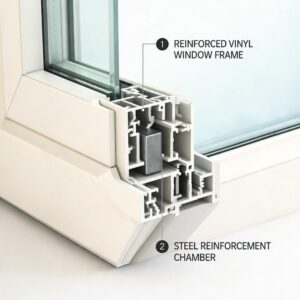
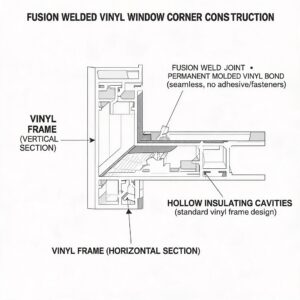
We’ve tested windows that lasted twenty years without significant degradation, while others showed visible yellowing after two summers. The difference isn’t magic—it’s engineering. Multi-chambered designs create thermal breaks that rival fiberglass, while fusion-welded corners eliminate the weak points found in mechanically fastened frames.
**Debunking the Myth: Do Vinyl Windows Look Cheap?**
This question deserves honest examination. The perception that vinyl windows appear inexpensive stems largely from exposure to low-end products. Entry-level vinyl windows often feature thin frames, hollow chambers, and basic hardware that can indeed look underwhelming.
However, premium vinyl windows have closed this aesthetic gap considerably. Modern manufacturing allows for clean lines, narrow sightlines, and profiles that mimic traditional wood frames. The key differentiators include:
– **Frame depth and wall thickness**: Thicker extrusions create a more substantial appearance
– **Weld quality**: Smooth, clean corner welds versus visible seams
– **Hardware selection**: Quality handles and locks versus basic stamped metal
– **Color and finish options**: Beyond basic white to wood grains, dark colors, and custom hues
When properly specified and installed, high-end vinyl windows do not look cheap. They project a clean, modern aesthetic that complements both contemporary and traditional architecture.
**How to Make Vinyl Windows Look Like Wood**
For homeowners who love the maintenance benefits of vinyl but prefer the warmth of wood, several design strategies bridge this gap effectively. The goal is to capture wood’s visual richness without sacrificing vinyl’s durability.
**Interior Finish Options**
Many manufacturers now offer laminated interiors with realistic wood grain patterns. These aren’t simple stickers—they’re durable films bonded to the vinyl substrate during production. The best examples feature embossed textures that replicate wood grain feel and appearance.
Another approach involves paintable vinyl profiles. Some premium lines accept paint well, allowing homeowners to match interior trim exactly. This requires proper surface preparation and compatible paints, but the results can be stunning.
**Exterior Aesthetic Choices**
The exterior offers even more flexibility. Clad options combine vinyl’s weather resistance with aluminum or fiberglass exteriors that accept custom colors. For those seeking a traditional look, certain vinyl profiles are designed with deeper reveals and more substantial proportions that echo wood window proportions.
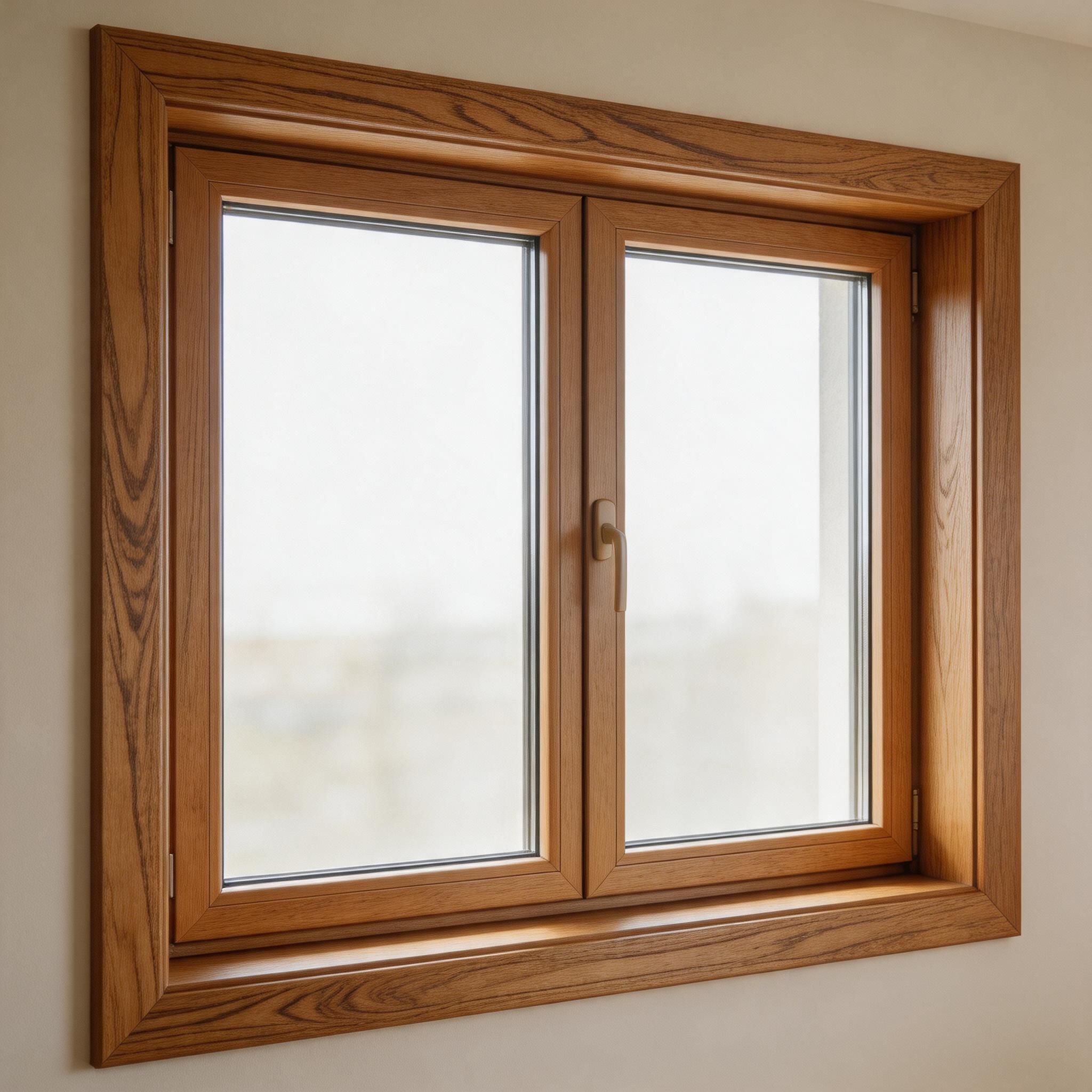
**Luxury Vinyl Window Design Trends for Modern Homes**
The window industry has responded to growing demand for sophisticated vinyl options. Current trends reflect broader architectural movements toward clean lines, natural light, and seamless indoor-outdoor transitions.
**Minimalist Frames and Maximum Glass**
Contemporary homes increasingly favor windows with narrow frames that maximize glass area. Advanced vinyl extrusions now support larger panes while maintaining structural integrity. These designs create uninterrupted views and flood interiors with natural light.
Thermal performance hasn’t been sacrificed for aesthetics. Triple-glazed options with low-E coatings and argon fills achieve impressive U-values while maintaining slim profiles. This combination of performance and appearance was nearly impossible with earlier vinyl technology.
**Dark Colors and Custom Finishes**
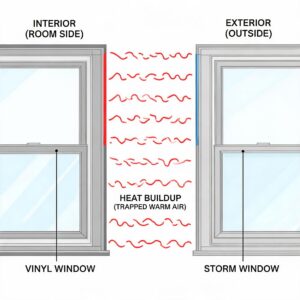
Gone are the days when white was the only option. Modern vinyl formulations can handle dark colors without the heat absorption problems that plagued earlier attempts. Capstock technology—where a separate colored layer is co-extruded over the base vinyl—prevents fading and maintains color integrity.
Dark bronze, charcoal, black, and even custom colors are now available. These finishes create striking architectural statements and complement contemporary design palettes. The key is selecting windows with proper UV stabilization and heat management features.
**Energy Performance: Beyond Basic Ratings**
Energy efficiency remains the primary reason homeowners choose vinyl windows, but understanding the numbers requires going beyond simple claims. The U-value, solar heat gain coefficient, and air infiltration rates tell the complete story.
**Understanding U-Value and R-Value**
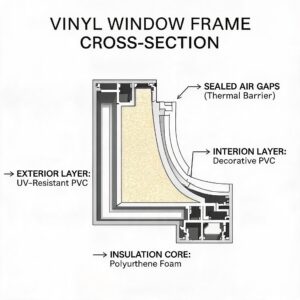
Vinyl’s natural thermal resistance comes from its cellular structure and the air chambers within extruded profiles. Multi-chambered designs create dead air spaces that slow heat transfer. Combined with low-E glass coatings and gas fills, premium vinyl windows achieve U-values below 0.30—competitive with fiberglass and wood.
The frame itself contributes significantly to overall performance. Poorly designed single-chamber profiles conduct heat more readily, negating the benefits of high-performance glass. This is why window assembly matters as much as individual component quality.
**Air Infiltration and Weather Resistance**
A window is only as good as its seal. Quality vinyl windows incorporate compression seals, multi-point locking systems, and precise manufacturing tolerances that minimize air leakage. Independent testing confirms that premium vinyl windows achieve air infiltration rates below 0.01 cfm/ft²—exceeding ENERGY STAR requirements.
**Durability and Longevity: What Real-World Performance Shows**
Claims about window lifespan vary widely, but real-world data provides clarity. Properly manufactured vinyl windows installed correctly should last 20-30 years or more. The key variables include:
– **Material quality**: UV-stabilized virgin PVC versus recycled content
– **Design complexity**: Multi-chambered versus single-chamber profiles
– **Installation quality**: Proper flashing and sealing versus shortcuts
– **Climate factors**: Extreme temperature swings accelerate degradation
We’ve observed that windows in moderate climates with consistent temperatures tend to outlast those in areas with extreme seasonal swings. However, modern formulations have dramatically improved performance in harsh environments.
**Common Failure Modes and Prevention**
The most frequent issues with vinyl windows involve seal failures, hardware problems, and frame distortion. Each has specific causes and solutions:
– **Seal failure**: Often results from poor installation or thermal stress. Quality windows use welded corners and compression gaskets rather than adhesive seals.
– **Hardware wear**: Cheap handles and locks fail quickly. Premium windows use stainless steel or heavy-duty zinc components.
– **Frame distortion**: Caused by inadequate reinforcement in large windows. Steel or aluminum reinforcement prevents sagging and warping.
**Installation Considerations That Affect Performance**
Even the best vinyl window performs poorly if installed incorrectly. Proper installation involves more than just fitting the frame into an opening. Critical steps include:
– **Proper flashing**: Prevents water infiltration behind the window
– **Level and plumb installation**: Ensures smooth operation and proper sealing
– **Insulation around the frame**: Prevents air leakage at rough openings
– **Appropriate fastening**: Secures the window without distorting the frame
Many homeowners focus entirely on window selection while neglecting installation quality. This oversight can negate the benefits of premium products. Working with certified installers who understand building science principles makes a significant difference.
**Comparing Vinyl to Other Materials**
Each window material offers distinct advantages and trade-offs. Understanding these helps match the product to specific project requirements.
**Vinyl Versus Wood**
Wood windows offer unmatched aesthetic warmth and can be refinished multiple times. However, they require regular maintenance, are susceptible to rot and insect damage, and cost significantly more. Vinyl eliminates these maintenance concerns while offering competitive thermal performance.
The gap in appearance has narrowed considerably with modern vinyl finishes. For homeowners who prioritize low maintenance, vinyl often represents the better long-term value.
**Vinyl Versus Fiberglass**
Fiberglass windows offer exceptional strength and dimensional stability. They accept paint well and resist temperature-related expansion and contraction. However, fiberglass costs more than vinyl and offers less design flexibility in terms of profile shapes.
Vinyl’s advantage lies in cost-effectiveness and thermal performance. Multi-chambered vinyl profiles achieve excellent insulation values at a lower price point than comparable fiberglass products.
**Vinyl Versus Aluminum**
Aluminum windows conduct heat readily, making them less energy-efficient without thermal breaks. They also dent and corrode over time. Vinyl outperforms aluminum in thermal efficiency, durability, and noise reduction.
Aluminum’s main advantages are slim sightlines and structural strength for large openings. Some high-end projects combine aluminum-clad exteriors with vinyl interiors for the best of both worlds.
**Cost Considerations and Long-Term Value**
Initial window costs represent only part of the financial picture. Energy savings, maintenance expenses, and lifespan all factor into total cost of ownership.
**Upfront Investment**
Premium vinyl windows typically cost $400-$800 per window installed, depending on size, style, and features. This compares favorably to wood windows at $600-$1,200 and fiberglass at $700-$1,500. Entry-level vinyl windows can cost as little as $200-$400, but performance and longevity suffer accordingly.
**Energy Savings**
Replacing single-pane windows with ENERGY STAR-rated vinyl windows typically reduces heating and cooling costs by 10-25%. In extreme climates, payback periods range from 5-10 years. After that, savings continue accumulating while maintenance costs remain minimal.
**Resale Value**
Quality window replacements consistently rank among the top home improvement projects for return on investment. National averages suggest recouping 70-80% of window costs at resale. Premium vinyl windows with good warranties add tangible value to properties.
**Frequently Asked Questions**
**Q: How long do vinyl windows typically last?**
A: Quality vinyl windows installed properly should last 20-30 years. Premium products with UV stabilizers and impact modifiers may last longer. The frame itself often outlasts the glass seals and hardware.
**Q: Can vinyl windows be painted?**
A: Yes, but proper preparation is essential. Clean the surface thoroughly, use a bonding primer designed for PVC, and apply exterior-grade paint. Dark colors may cause heat absorption issues, so consult the manufacturer before painting.
**Q: Do vinyl windows expand and contract with temperature changes?**
A: All materials expand and contract, but quality vinyl windows are engineered with expansion gaps and flexible seals that accommodate movement. Dark-colored windows in direct sunlight experience more expansion than light-colored ones.
**Q: Are vinyl windows environmentally friendly?**
A: Vinyl windows offer excellent energy efficiency that reduces carbon emissions. PVC production has environmental impacts, but modern recycling programs recover and reuse vinyl window materials. Many manufacturers now offer recycled content options.
**Q: What warranty should I expect with quality vinyl windows?**
A: Premium manufacturers typically offer lifetime warranties on frame materials, 10-20 years on glass seals, and 5-10 years on hardware. Read warranty terms carefully, as some require professional installation and regular maintenance.
**Q: Can I install vinyl windows myself?**
A: While possible for experienced DIYers, professional installation is strongly recommended. Improper installation voids warranties and compromises performance. The cost savings rarely justify the risks of air leakage, water damage, or operational problems.
**Q: How do I clean vinyl windows without damaging them?**
A: Use mild soap and water with a soft cloth or sponge. Avoid abrasive cleaners, scouring pads, or solvents that can damage the finish. Clean tracks and weep holes regularly to ensure proper drainage.
**Making the Right Choice for Your Home**
Vinyl windows have earned their place as a leading window option through genuine performance improvements and design evolution. The key is selecting products that match your specific needs rather than defaulting to the cheapest option or assuming all vinyl is the same.
Focus on windows with multi-chambered profiles, fusion-welded corners, quality hardware, and proper UV stabilization. Verify ENERGY STAR ratings for your climate zone and insist on professional installation. When these factors align, vinyl windows deliver exceptional value, performance, and aesthetics that rival any material on the market.
The question isn’t whether vinyl windows are good—it’s whether you’re choosing the right vinyl windows for your home. With proper research and quality products, the answer is a definitive yes.