Understanding Vinyl Window Surfaces and Their Limitations
Before diving into specific techniques, it’s crucial to understand what you’re working with. Vinyl windows are made from polyvinyl chloride, a thermoplastic that behaves differently than natural materials. The surface is slick, slightly flexible, and designed to repel water and chemicals. This creates three major challenges for anyone attempting to change the color:
Adhesion problems – Most coatings struggle to bond permanently to vinyl. Without proper preparation and the right products, anything you apply will peel, crack, or bubble within months.
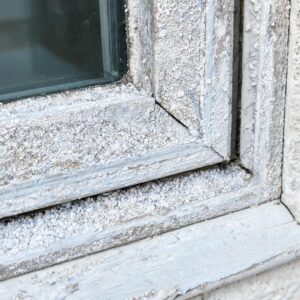
Thermal expansion – Vinyl expands and contracts with temperature changes far more than wood or aluminum. Any coating must be flexible enough to move with the substrate without cracking.
Chemical compatibility – Some solvents and chemicals can actually damage vinyl, causing discoloration, brittleness, or surface degradation. Using the wrong product can ruin your windows permanently.
These factors explain why traditional staining methods fail on vinyl. But they also point toward the solutions that actually work.
The Truth About Staining Vinyl Windows
Let’s address the core question directly. Traditional wood stain, whether oil-based or water-based, will not work on vinyl windows. The stain sits on top of the surface rather than penetrating, and it will quickly fail. Gel stains, which are thicker and sometimes marketed for difficult surfaces, also struggle with vinyl adhesion over time.
However, there are specialized products designed specifically for vinyl surfaces. These aren’t stains in the traditional sense but rather pigmented coatings that bond chemically with the vinyl. The industry has developed several approaches that achieve a stained or colored appearance while maintaining durability.

Professional Methods for Changing Vinyl Window Color
Method 1: Vinyl-Specific Liquid Coatings
Several manufacturers produce liquid coatings formulated specifically for vinyl windows. These products contain adhesion promoters and flexible resins that move with the vinyl during temperature changes. They come in a range of colors, including wood tones that mimic stained wood grain.
The application process requires meticulous surface preparation. You must clean the windows thoroughly with a degreaser, lightly sand the surface to create mechanical adhesion points, and apply the coating in thin, even layers. Professional painters typically use HVLP spray systems for the most uniform finish, though high-quality aerosol cans can work for smaller projects.
These coatings typically last three to five years before requiring touch-ups, depending on sun exposure and climate conditions. South-facing windows will fade faster than those protected by overhangs or shade.
Method 2: Wood Grain Vinyl Window Wrap
For homeowners who want the authentic look of stained wood without the maintenance, wood grain vinyl window wrap offers an excellent solution. This involves applying a specialized vinyl film that has been printed with realistic wood grain patterns. The film is heat-shrunk onto the window frames using professional-grade equipment.
This method has several advantages over liquid coatings. The wrap is factory-manufactured with consistent color and pattern, it’s UV-stable for longer life, and it can be removed without damaging the underlying vinyl. Professional installation is strongly recommended because the heat application process requires experience to avoid bubbles, wrinkles, or premature failure.
Quality window wraps can last eight to twelve years, making them a longer-lasting solution than painted finishes. They also provide an additional layer of protection against UV damage and minor scratches.
Method 3: Professional Spray Painting with Vinyl-Compatible Paint
If you’re determined to achieve a stained appearance through painting, you need paint specifically formulated for vinyl. Standard exterior house paint will fail. Look for products labeled as “vinyl-safe” or “100% acrylic with urethane additives.” These paints contain flexible resins that expand and contract with the vinyl.
The process involves cleaning, light sanding, applying a bonding primer designed for plastic surfaces, then two to three coats of the vinyl-safe paint. Each coat must be applied thinly to avoid drips and uneven curing. Professional spray equipment produces the best results, but careful aerosol application can work for DIYers.
One common question we hear is can you apply gel stain to vinyl window trim. The answer is technically yes, but only if you first apply a bonding primer specifically designed for slick surfaces. Gel stain alone will not adhere to vinyl. Even with primer, the long-term durability is questionable compared to vinyl-specific coatings.
Preparation: The Make-or-Break Step
Regardless of which method you choose, proper preparation determines success or failure. Here’s what the professionals do:
Deep cleaning – Remove all dirt, grease, and environmental contaminants. Use a mixture of trisodium phosphate (TSP) and water, or a dedicated vinyl cleaner. Rinse thoroughly and allow to dry completely.
Light sanding – Use 220-grit sandpaper to scuff the surface lightly. This creates microscopic scratches that help coatings bond mechanically. Don’t sand aggressively enough to damage the vinyl texture.
Masking – Protect glass, hardware, and surrounding surfaces with high-quality painter’s tape and plastic sheeting. This step is tedious but essential for clean results.
Priming – Apply a bonding primer designed for plastic or vinyl surfaces. Allow full cure time according to manufacturer instructions before applying your color coat.
When to Replace Instead of Refinish
Sometimes the most practical answer to “can you stain vinyl windows” is that replacement makes more sense. If your windows are older than fifteen years, have failing seals, or show signs of warping or degradation, investing in refinishing may not be wise. The cost of professional refinishing often approaches half the cost of new windows, and new windows come with better energy efficiency and warranties.
For those considering replacement, exploring options like wood grain vinyl window wrap can provide the aesthetic you want without the expense of full replacement. Alternatively, if you’re planning a full renovation, PVC uPVC windows for sale come in a wide range of factory colors that eliminate the need for aftermarket refinishing entirely.
Long-Term Maintenance of Refinished Vinyl Windows
If you proceed with refinishing, understand that maintenance requirements change. Painted or coated vinyl windows need gentler cleaning than raw vinyl. Avoid abrasive cleaners, pressure washers, and harsh chemicals. Use soft cloths and mild soap solutions.
Inspect your windows annually for signs of coating failure. Early touch-ups prevent larger problems. Keep extra paint or coating material on hand for this purpose, as color matching years later is nearly impossible.
Sun exposure is the primary enemy of any vinyl window finish. South and west-facing windows will degrade fastest. Consider exterior shading solutions like awnings or solar screens to extend the life of your refinishing work.
שאלות נפוצות
Can you stain vinyl windows to look like wood?
Yes, but not with traditional wood stain. You need either a vinyl-specific coating in a wood tone color, or a wood grain vinyl window wrap that mimics the appearance of stained wood grain patterns.
How long does painted vinyl window finish last?
With proper preparation and quality materials, expect three to five years before significant fading or wear appears. Professional application typically lasts longer than DIY attempts.
Will refinishing void my window warranty?
Almost certainly yes. Most vinyl window manufacturers explicitly state that aftermarket painting, staining, or coating voids the warranty. Check your warranty documentation before proceeding.
Can you use gel stain on vinyl windows?
Gel stain alone will not adhere to vinyl. You must first apply a bonding primer designed for slick surfaces, then the gel stain. Even then, durability is inferior to vinyl-specific coating products.
Is it cheaper to refinish or replace vinyl windows?
Refinishing is generally cheaper upfront, typically 30-50% of replacement cost. However, replacement provides better energy efficiency, longer life, and a factory finish that won’t require reapplication every few years.
What is the best product for changing vinyl window color?
For DIY projects, look for vinyl-specific spray paints from manufacturers like Rust-Oleum or Krylon that explicitly state compatibility with vinyl. For professional results, inquire about commercial-grade vinyl coatings from brands like Sherwin-Williams or Benjamin Moore.
Can dark colors be applied to vinyl windows?
Dark colors absorb more heat, which can cause vinyl windows to warp or deform in direct sunlight. Most manufacturers recommend against dark colors on vinyl. If you must go dark, choose south-facing windows carefully and consider exterior shading.
How do you remove old paint from vinyl windows?
Chemical strippers can damage vinyl. Gentle scraping and light sanding are safer. In severe cases, replacement may be more practical than attempting to remove multiple layers of failed paint.