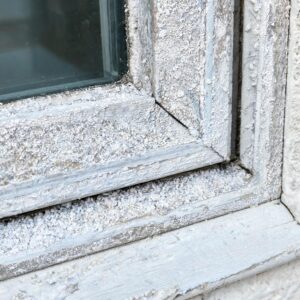
Understanding Why Vinyl Windows Stick
Before reaching for any tools, it helps to understand what’s actually happening when a window refuses to move. Vinyl windows are engineered with tight tolerances—typically just 3 to 5 millimeters of clearance between the sash and the frame. That precision is what makes them energy-efficient, but it also means that even small obstructions can cause problems.
The most common causes fall into three categories:
Dirt and debris buildup accounts for roughly 70 percent of all sticking window issues. Over time, dust, pollen, and airborne grime accumulate in the tracks and jamb channels. This creates friction that makes the window hard to move, and eventually, the sash can feel completely stuck.
Lubrication failure is the second most common culprit. Vinyl windows rely on low-friction surfaces to slide smoothly. When the original factory lubrication dries out or gets contaminated, the window becomes increasingly difficult to operate.
Hardware and balance issues are less common but more serious. The block-and-tackle balances inside the frame can wear out, tilt latches can misalign, and the sash itself can warp slightly due to temperature extremes.

How to Diagnose Your Stuck Window
The fastest way to solve a sticking window is to identify the specific symptom you’re dealing with. Different symptoms point to different root causes, and applying the wrong fix can waste time or even damage the window.
Symptom: Window moves but requires excessive force
If you can get the window to move but it feels heavy or jerky, the issue is almost certainly friction in the tracks. This is the easiest fix and usually responds well to cleaning and lubrication.
Symptom: Window moves freely for a few inches then stops
This pattern suggests an obstruction in the track or a bent section of the frame. Something physical is blocking the sash’s path. A dropped screw, a deformed weatherstrip, or even a pebble can cause this.
Symptom: Window is completely immovable
When a window absolutely will not budge, the cause is often a seized balance mechanism or a sash that has become wedged against the frame due to frame settling. This requires a more careful approach to avoid breaking the glass or damaging the vinyl.
Symptom: Window sticks only in certain weather
If your window binds up on hot days but works fine when it’s cool, thermal expansion is the likely cause. Vinyl expands and contracts with temperature changes, and if the frame was installed with insufficient clearance, the sash can become temporarily stuck when temperatures rise.
Step-by-Step Guide: How to Unstick Vinyl Windows
Step 1: Clear the Tracks Thoroughly
Most people skip this step or do it poorly. Vacuuming the tracks is not enough. You need to remove every particle of grit and grime from the track surface, the jamb channels, and the sash edges.
Start with a shop vacuum fitted with a crevice tool. Run it along the full length of both tracks, paying special attention to the corners where debris tends to accumulate. Next, use a stiff nylon brush to scrub the tracks. Avoid wire brushes—they can scratch the vinyl surface and create rough spots that will make future sticking worse.
For stubborn buildup, use a mixture of warm water and mild dish soap. Apply it with a soft cloth or sponge, then rinse with clean water. Do not use harsh chemical cleaners, as they can damage the vinyl and strip away any remaining factory lubrication.
Allow the tracks to dry completely before moving to the next step. Moisture trapped under lubricant can cause problems down the road.
Step 2: Clean the Sash Edges
The edges of the window sash itself are often overlooked. Dirt and grime accumulate on the top and bottom edges of the sash where they contact the weatherstripping and track surfaces. Wipe these down with a damp cloth, then dry them thoroughly.
If your window has a tilt-in feature, now is a good time to tilt the sash inward for better access. This also allows you to inspect the balance mechanisms and tilt latches for any obvious damage.
Step 3: Apply the Right Lubricant
This is where many DIYers go wrong. Using the wrong lubricant can make your window worse and may void your warranty.
Do not use: WD-40, grease, oil-based lubricants, or petroleum-based products. These attract dirt and dust, turning into a sticky mess within weeks. They can also cause the vinyl to degrade over time.
Do use: 100 percent silicone spray lubricant. Silicone is compatible with vinyl, does not attract dust, and provides long-lasting lubrication. Look for a product specifically labeled for use on vinyl windows and doors.
Apply the silicone spray sparingly. A little goes a long way. Spray it into the track channels, along the jamb where the sash slides, and onto the weatherstripping. Work the window back and forth several times to distribute the lubricant evenly.
For windows with tilt-in sashes, also lubricate the balance shoes and the pivot points on the tilt latches. These areas are often neglected but are critical for smooth operation.
Step 4: Check for Obstructions
If cleaning and lubricating didn’t solve the problem, there’s likely a physical obstruction. Inspect the track carefully for any foreign objects. Common culprits include:
- Small stones or gravel that got kicked up from outside
- Screws or hardware that have fallen out of the frame
- Pieces of broken weatherstripping
- Paint drips from a previous painting project
Also check the weatherstripping along the sides of the frame. If it has become bunched up or displaced, it can create a bulge that blocks the sash. Gently press it back into place or trim any damaged sections with scissors.
Step 5: Address Balance and Hardware Issues
If your window still won’t move after cleaning and checking for obstructions, the problem is likely in the balance mechanism. Vinyl windows typically use block-and-tackle balances—spring-loaded devices that counterbalance the weight of the sash.
To access the balances, you’ll need to remove the sash. This process varies by manufacturer, but generally involves:
- Removing the stop strips on the sides of the frame
- Tilting the sash inward
- Lifting the sash out of the frame
Once the sash is removed, inspect the balances for damage. If a balance is broken or has lost its tension, it needs to be replaced. This is a straightforward repair, but you’ll need to order the correct replacement part from the window manufacturer.
For windows that are hard to open and close due to misaligned hardware, check the tilt latches and lock mechanism. Sometimes a latch that isn’t fully retracting can catch on the frame and prevent the window from moving. Clean these components and lubricate them with silicone spray.
Step 6: Adjust for Thermal Expansion
If your window only sticks during extreme temperatures, the frame may have been installed with insufficient clearance. This is more common in dark-colored windows that absorb more heat.
In most cases, the fix is to plane or sand down the areas where the sash is binding. This requires removing the sash and carefully removing material from the contact points. Use a fine-toothed plane or sandpaper, and remove only small amounts at a time. Test the fit frequently to avoid removing too much material.
Preventive Maintenance for Vinyl Windows
The best way to avoid stuck windows is regular maintenance. A simple annual routine will keep your windows operating smoothly for decades.
Clean the tracks twice a year. Spring and fall are ideal times. Vacuum the tracks thoroughly and wipe them down with a damp cloth.
Lubricate annually. Apply silicone spray to the tracks, jamb channels, and hardware once per year. This takes about five minutes per window and prevents 90 percent of sticking issues.
Inspect weatherstripping. Check for cracks, gaps, or bunching. Replace damaged weatherstripping promptly to maintain energy efficiency and prevent debris from entering the tracks.
Check the seals. Look for gaps between the window frame and the wall. If you see daylight or feel drafts, the frame may be shifting, which can lead to binding. Seal any gaps with exterior-grade caulk.
If you’re considering replacement windows that offer better performance and easier operation, explore our selection of quality PVC and uPVC windows designed for long-term reliability.
When to Call a Professional
While most stuck windows can be fixed with the steps above, some situations require professional help:
- Cracked or broken glass — Attempting to free a window with damaged glass can cause the pane to shatter.
- Severely warped frames — If the frame itself has twisted or bowed, the window may need to be replaced.
- Broken balances inside the wall — Some balance systems are embedded in the frame and require specialized tools to replace.
- Windows that won’t stay open — This indicates a failed balance that needs replacement.
For homeowners who want windows that are built to last with minimal maintenance, consider upgrading to modern uPVC window systems that feature improved track designs and better hardware.
Frequently Asked Questions
What is the best lubricant for vinyl window tracks?
The best lubricant for vinyl window tracks is 100 percent silicone spray. It is compatible with vinyl, does not attract dust, and provides long-lasting lubrication. Avoid WD-40, grease, and petroleum-based products, as these can damage vinyl and create sticky residue.
Why is my vinyl window hard to open and close?
A vinyl window is typically hard to open and close due to dirt buildup in the tracks, dried-out lubrication, or physical obstructions. Less commonly, the issue may be caused by a failing balance mechanism, misaligned hardware, or frame settling. Start with cleaning and lubrication before investigating more complex causes.
Can I use WD-40 on vinyl windows?
No. WD-40 is not a lubricant—it is a water displacer and solvent. It will temporarily free a stuck window, but it will attract dust and dirt, causing the window to become even more stuck over time. WD-40 can also degrade vinyl and damage weatherstripping.
How often should I lubricate my vinyl windows?
You should lubricate your vinyl windows at least once per year. Spring is a good time to do this, as it prepares the windows for heavy summer use. If you live in a dusty area or use your windows frequently, consider lubricating twice per year.
Will a stuck vinyl window fix itself?
No. A stuck vinyl window will not fix itself and will likely get worse over time. Dirt and debris continue to accumulate, and lack of lubrication causes increased wear on the moving parts. Address sticking windows promptly to avoid more expensive repairs later.
Can I force a stuck vinyl window open?
Do not force a stuck vinyl window open. Forcing it can crack the glass, damage the frame, or break the balance mechanism. Instead, diagnose the cause of the sticking and apply the appropriate fix. If the window will not move at all, start with thorough cleaning and lubrication before attempting to apply force.
How much does it cost to fix a stuck vinyl window?
Most stuck vinyl windows can be fixed with basic cleaning supplies and a can of silicone spray, costing under $15. If replacement parts are needed, such as new balances or tilt latches, the cost typically ranges from $20 to $60 per window. Professional service calls usually run $100 to $200, depending on the complexity of the repair.