
PVC vs. Vinyl Windows: Unraveling the Terminology and Making the Right Choice
When it’s time to replace your home’s windows, you’re bombarded with choices. Among the most popular and often confusing options are those labeled as PVC and vinyl. Many homeowners find themselves asking, “Aren’t they the same thing?” This common dilemma stems from overlapping terminology in the industry. Understanding the subtle yet important distinctions can empower you to make an informed decision that affects your home’s comfort, energy bills, and curb appeal for decades. Let’s clear up the confusion and explore what these terms really mean for your replacement window project.
Are PVC and Vinyl Windows the Same Material?
In essence, yes—but with a critical clarification. Think of it like this: “PVC” refers to the raw material, while “vinyl” describes the finished product. PVC, or polyvinyl chloride, is a type of plastic polymer. When this material is formulated and extruded into profiles for window frames and sashes, the end product is commonly called a vinyl windows.
The more precise term used in high-quality window manufacturing is uPVC, which stands for unplasticized polyvinyl chloride. The “u” is key. Standard PVC can contain plasticizers to make it flexible (like in shower curtains). For window frames, these plasticizers are removed, resulting in a rigid, durable, and stable material perfect for structural applications. So, when you hear “vinyl windows,” you are typically hearing about windows made from uPVC.
Key Differences: A Detailed Comparison
While the core material is similar, the quality and performance of the final window depend heavily on the formulation, engineering, and construction. Here’s a breakdown of what to compare beyond just the name.
Composition and Quality:
Basic Vinyl: May refer to single-extruded frames with thinner walls and fewer internal reinforcements. These can be more susceptible to warping and offer less structural integrity.
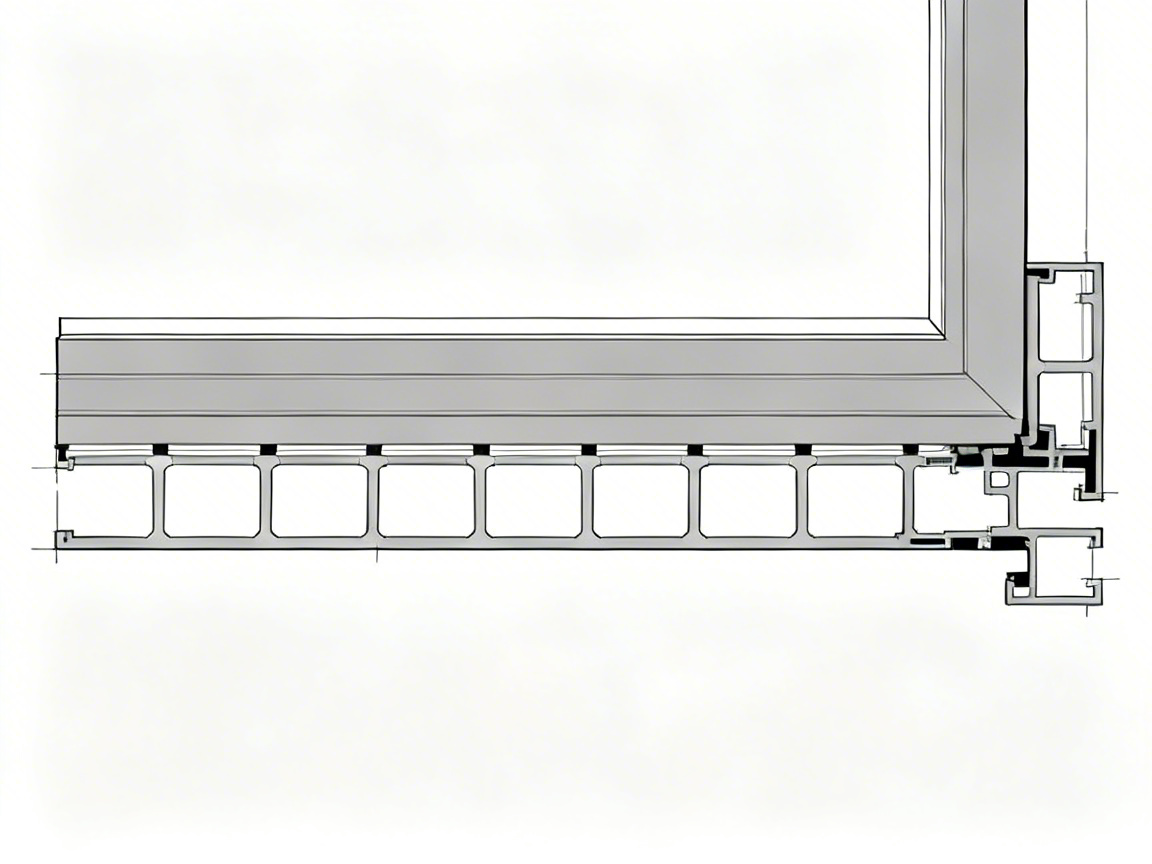
Engineered uPVC: Features multi-chambered designs for superior insulation. High-quality uPVC frames often include internal steel or composite reinforcements for added strength, allowing for larger glass panes and better resistance to wind pressure.
Energy Efficiency and Insulation:
The multi-chambered design of premium uPVC profiles creates pockets of dead air, acting as a powerful thermal barrier. This design significantly reduces heat transfer compared to simpler, hollow vinyl frames. Look for windows with a low U-factor (measuring heat loss) and a low Solar Heat Gain Coefficient (SHGC, measuring heat gain from the sun) for optimal efficiency, especially in southern climates.
Durability and Maintenance:
Both materials are celebrated for low maintenance—they never need painting and resist rot and corrosion. However, higher-grade uPVC is formulated with UV stabilizers and impact modifiers. This means it better resists fading, discoloration, and cracking from prolonged sun exposure and extreme temperature swings, which is a vital consideration for long-term aesthetics.
Cost Considerations:
While often used interchangeably in marketing, there can be a cost difference reflective of quality. Basic vinyl windows might have a lower upfront price point. Investment in professionally installed, high-performance uPVC windows, however, often yields greater long-term value through energy savings, longevity, and preserved home value.
The Standout Benefits of uPVC Windows
Choosing high-quality uPVC windows brings a host of advantages that solve common homeowner problems:
Superior Energy Savings: The excellent insulation properties directly translate to lower heating and cooling costs, creating a more comfortable indoor environment year-round.
Exceptional Durability: uPVC is impervious to moisture, meaning it won’t rot, rust, or corrode. It stands up well to harsh weather, from salty coastal air to intense summer heat.
Remarkably Low Maintenance: A simple wash with soap and water is all it takes to keep them looking new. There’s no need for scraping, sanding, or repainting every few years.
Effective Noise Reduction: The dense, multi-chambered material acts as a sound barrier, helping to create a quieter, more peaceful home interior.
Enhanced Security: Modern uPVC window systems come with robust multi-point locking mechanisms, and the inherent strength of the material makes the frame difficult to compromise.
Why uPVC is Ideal for Southern Climates
For homeowners in the South, the climate presents specific challenges: high humidity, intense UV radiation, and the threat of severe storms. uPVC windows are uniquely suited to this environment.
Humidity Resistance: Unlike wood, uPVC will not swell, warp, or promote mold growth in humid conditions.
UV Stability: Quality uPVC is compounded to resist fading and brittleness caused by relentless sun exposure.
Storm Performance: When paired with impact-resistant glass, reinforced uPVC frames provide a formidable defense against wind-borne debris and driving rain, helping to protect your home’s interior.
Addressing Common Concerns and Modern Solutions
Some homeowners recall early vinyl products that could warp or fade. Modern uPVC technology has largely overcome these issues.
Color Fading: Today’s uPVC is available with full-through color or durable, baked-on finishes that are much more resistant to UV degradation.
Limited Aesthetics: uPVC windows now come in a wide variety of colors and even realistic wood-grain finishes, offering the classic look of wood without the upkeep.
Environmental Impact: uPVC is recyclable. Many manufacturers use recycled content in their frames, and the long lifespan and energy-saving properties of the windows contribute to a reduced overall environmental footprint.
Your Questions Answered: PVC and Vinyl Windows FAQ
Q: Which lasts longer, PVC or vinyl windows?
A: Since they are fundamentally the same material, lifespan depends on quality. Well-made uPVC windows from a reputable manufacturer can last 30 years or more with minimal maintenance.
Q: Can you paint uPVC or vinyl windows?
A: It is not generally recommended. The factory-applied finish is designed for durability. Painting can void warranties, may not adhere properly, and eliminates the main benefit of a low-maintenance product. If you desire a different color, choose a manufacturer that offers it as a standard option.
Q: Are these windows good for soundproofing?
A: Yes. The dense, insulating properties of uPVC frames, especially when combined with double or triple-pane glass, are very effective at reducing external noise transmission.
Q: What’s the cost difference between basic vinyl and premium uPVC windows?
A: While prices vary by region and installer, investing in premium uPVC windows might cost 15-25% more than basic vinyl units. This investment is typically recouped over time through greater energy efficiency, fewer repairs, and enhanced durability.
Q: How do I know if I’m getting a quality uPVC window?
A: Look for key indicators: multi-chambered frame design, internal reinforcement (steel or composite), durable hardware, strong warranties from the manufacturer, and certification from ratings organizations like the American Architectural Manufacturers Association (AAMA).
Choosing new windows is a significant investment in your home. By understanding that “vinyl” is the product and “uPVC” defines the high-performance material it’s made from, you can look beyond the labels. Focus on the engineering details—the chamber design, the reinforcements, and the quality of the overall system. For a balance of lasting value, energy efficiency, and minimal upkeep, especially in demanding southern climates, high-quality uPVC windows present a compelling and intelligent choice for today’s homeowner.








