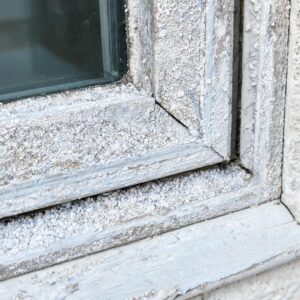
If you’ve noticed dark, speckled growth creeping along your window sills or seals, you’re not alone. Black mold on windows is one of the most common household frustrations, especially in colder months when condensation becomes a daily battle. But here’s what most articles won’t tell you: the material your windows are made from plays a massive role in whether mold becomes a recurring nightmare or a rare inconvenience.
As a manufacturer with years of experience in window design and material science, I’ve seen firsthand how different window types respond to moisture. The question I hear most often from homeowners is straightforward: can mold grow on vinyl windows? The short answer is yes, but the longer answer reveals why vinyl remains one of the smartest choices for mold prevention—and what you need to do to keep it that way.
Why Black Mold Chooses Your Windows
Before we dive into removal and prevention, let’s understand why windows are ground zero for mold growth. Mold needs three things to thrive: moisture, organic food sources, and the right temperature. Windows provide all three in spades.
The Condensation Connection
When warm, humid indoor air meets a cold window surface, condensation forms. This happens because glass is a poor insulator compared to walls. Even with double-pane windows, the interior surface temperature can drop significantly during winter. That moisture collects on glass, runs down to sills and frames, and creates the perfect breeding ground for mold spores that are always floating in your indoor air.
What Mold Actually Eats
Here’s where material science becomes critical. Mold doesn’t eat glass or properly sealed vinyl. But it absolutely feasts on:
- Dust and dirt that accumulates on window surfaces
- Organic residues from cooking, cleaning products, or pollen
- Wood fibers in traditional window frames
- Paper-based drywall around window openings
- Paint and caulk that contain organic compounds
This explains why how to prevent mold on vinyl window sills is fundamentally different from preventing mold on wood sills. Vinyl itself isn’t food for mold, but the debris that settles on vinyl certainly is.

Can Mold Grow on Vinyl Windows? The Manufacturer’s Honest Answer
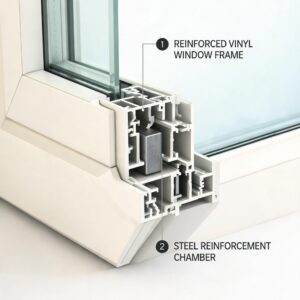
Let me address this directly because misinformation runs rampant online. Vinyl windows are made from PVC (polyvinyl chloride), a synthetic plastic polymer. Mold cannot digest PVC. It cannot break down vinyl’s molecular structure. In laboratory conditions, mold spores placed on clean vinyl surfaces fail to establish colonies.
However—and this is crucial—mold absolutely can grow on the surface of vinyl windows if conditions are right. Here’s why:
- Dust accumulation provides the organic food mold needs
- 冷凝 provides the moisture
- Warm indoor temperatures accelerate growth
So when someone asks can mold grow on vinyl windows, the accurate answer is: the vinyl itself is mold-resistant, but the dirt and moisture on top of it can still support mold growth. This is actually excellent news because it means proper cleaning solves the problem permanently—unlike wood windows where mold can penetrate the material itself.
Vinyl vs. Wood: A Mold Resistance Comparison
Wood windows are porous. When mold takes hold on wood, it sends roots (hyphae) deep into the grain. You can scrub the surface clean, but the mold remains embedded, ready to resurface when moisture returns. This is why replacing moldy wood windows with vinyl is often the only permanent solution.
Vinyl windows, by contrast, have a non-porous surface. Mold stays on top. A thorough cleaning removes it completely. The material doesn’t absorb moisture, doesn’t swell, doesn’t rot, and doesn’t provide any nutritional value to mold spores.
The Hidden Costs of Ignoring Window Mold
Most homeowners think of mold as an aesthetic problem. It’s not. The consequences of ignoring mold on windows extend far beyond ugly black spots.
Respiratory Health Impacts
Black mold (Stachybotrys chartarum is the most notorious species, though many dark molds get lumped under this label) produces mycotoxins that can trigger allergic reactions, asthma attacks, and chronic sinus issues. Children, elderly individuals, and anyone with compromised immune systems are particularly vulnerable. What starts as occasional sneezing near windows can develop into persistent respiratory problems.
Structural Damage That Compounds
Mold on window sills isn’t just sitting there. It’s producing enzymes that break down organic materials. Over time, this means:
- Deteriorating caulk and weatherstripping
- Rotting wooden window frames
- Compromised drywall around window openings
- Peeling paint and stained surfaces
- Reduced window efficiency as seals fail
Property Value Erosion
When you eventually sell your home, mold problems show up on inspections. Buyers walk away from properties with visible mold issues. Even if you clean it before listing, the underlying moisture problem remains, and ethical disclosure requirements mean you may need to address it formally.
How to Remove Black Mold from Windows Safely and Effectively
Now let’s get practical. Here’s the step-by-step process I recommend based on years of working with window materials and mold remediation specialists.
Safety First: What You Need Before Starting
Mold removal stirs up spores. You don’t want to breathe them in or spread them throughout your home.
Essential gear:
- N95 respirator mask (not a cloth mask)
- Rubber gloves that extend past your wrists
- Safety goggles to protect eyes from splashes
- Long sleeves and pants you can wash immediately after
Supplies:
- Distilled white vinegar (undiluted)
- Spray bottle
- Microfiber cloths (disposable preferred)
- Soft-bristled brush for tracks
- Baking soda for stubborn spots
- Rubbing alcohol for final disinfection
Step 1: Dry the Area Completely
Before you apply any cleaning solution, dry the window surface thoroughly with a clean cloth. Mold releases spores more readily when wet, and you want to minimize airborne spread. Work from top to bottom, catching drips as you go.
Step 2: Apply Vinegar Solution
Contrary to popular belief, bleach is not the best choice for mold on windows. Bleach is harsh on window seals, can discolor vinyl, and only kills surface mold without penetrating porous materials. Vinegar, with its mild acidity, kills most mold species effectively without damaging window components.
Spray undiluted white vinegar onto the affected areas. Let it sit for 10-15 minutes. The vinegar smell will dissipate as it dries.
Step 3: Scrub Gently
Use a soft brush or microfiber cloth to scrub the mold away. For window tracks and corners, an old toothbrush works perfectly. Apply gentle pressure—vinyl is durable but can scratch if you’re overly aggressive with abrasive pads.
Step 4: Wipe and Dry
Remove all vinegar and loosened mold with a clean, dry cloth. Dispose of this cloth immediately in a sealed plastic bag. Repeat the process if any staining remains.
Step 5: Disinfect with Rubbing Alcohol
For stubborn mold or areas that have been affected repeatedly, follow up with rubbing alcohol (70% isopropyl). Alcohol evaporates quickly, kills remaining spores, and leaves no residue that could attract future dust.
Step 6: Prevent Immediate Recurrence
After cleaning, apply a thin layer of car wax or a specialized window sealant to create a hydrophobic barrier. This causes water to bead up and roll off rather than sitting on the surface. For vinyl windows specifically, this step dramatically extends the time between cleanings.
Removing Mildew from Vinyl Window Tracks: The Forgotten Problem
Window tracks are where moisture collects and never fully dries. They’re dark, narrow, and difficult to clean—perfect conditions for mildew growth. If you’ve noticed a musty smell near your windows but can’t see visible mold, the tracks are likely the culprit.
Here’s how to tackle removing mildew from vinyl window tracks effectively:
- Vacuum first using a crevice tool to remove loose debris
- Create a paste with baking soda and a small amount of water
- Apply the paste to track surfaces using an old toothbrush
- Let it sit for 15 minutes to break down mildew
- Scrub thoroughly along the entire track length
- Rinse with vinegar spray and wipe dry
- Apply silicone lubricant to keep tracks moving smoothly and repel moisture
This process works because baking soda is mildly abrasive without scratching vinyl, and it neutralizes odors that mildew leaves behind.
Prevention: How to Stop Mold Before It Starts
Removing mold is satisfying, but preventing it from returning is where you win the long game. Here’s what actually works.
Control Indoor Humidity
This is the single most effective prevention strategy. Keep indoor humidity between 30% and 50% using:
- Dehumidifiers in basements and humid rooms
- Exhaust fans in bathrooms and kitchens
- Proper ventilation by cracking windows when weather permits
- Hygrometers to monitor humidity levels (inexpensive and available at any hardware store)
Improve Air Circulation
Stagnant air allows moisture to settle on surfaces. Simple fixes include:
- Running ceiling fans on low year-round
- Opening curtains and blinds during the day
- Positioning furniture away from windows to allow airflow
- Using oscillating fans near problem windows
Address Condensation at the Source
Condensation happens when warm air hits cold glass. Solutions include:
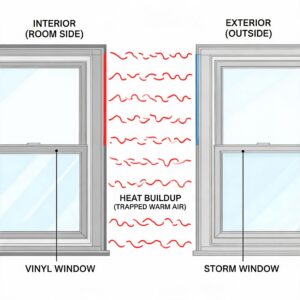
- Storm windows for older single-pane installations
- Window insulation film for seasonal use
- Moisture-absorbing products like DampRid for problem areas
- Weatherstripping to reduce cold air infiltration
Choose the Right Window Material
If you’re building new or replacing old windows, material choice matters enormously. For homeowners wondering about how to prevent mold on vinyl window sills, the answer starts with proper installation and material quality. High-quality uPVC windows with thermal breaks and proper sealing dramatically reduce condensation compared to aluminum or wood alternatives.
The Seasonal Mold Watch Checklist
Mold problems follow seasonal patterns. Use this checklist to stay ahead:
Fall:
- Clean windows thoroughly before winter sets in
- Check weatherstripping for gaps
- Test humidity levels as heating season begins
- Trim outdoor vegetation away from windows
Winter:
- Wipe condensation from windows daily
- Run exhaust fans during cooking and showering
- Avoid drying clothes indoors near windows
- Check for ice buildup on window frames
Spring:
- Deep clean all window surfaces
- Inspect for winter damage to seals
- Open windows on dry days to air out rooms
- Apply protective sealant after cleaning
Summer:
- Run dehumidifiers in humid climates
- Clean window tracks of pollen and debris
- Check for leaks during heavy rain
- Ensure window screens are clean and intact
When to Replace Windows Instead of Cleaning
There comes a point when cleaning isn’t enough. Consider window replacement if:
- Mold returns within weeks despite thorough cleaning and humidity control
- You see visible rot in wooden window frames
- Condensation forms between glass panes (failed seal)
- Windows are single-pane or more than 20 years old
- You’ve had repeated mold issues in the same location
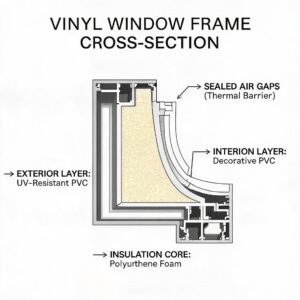
Modern uPVC windows offer built-in advantages for mold prevention. They include thermal breaks that reduce condensation, multiple chambers that improve insulation, and factory-applied seals that prevent moisture intrusion. For homeowners serious about solving mold problems permanently, removing mildew from vinyl window tracks becomes much simpler when the windows themselves are designed for easy maintenance.
The Manufacturer’s Bottom Line
Here’s what I want every homeowner to understand: mold on windows is not inevitable. It’s a symptom of moisture mismanagement, and it’s fixable. The best approach combines proper cleaning techniques, consistent humidity control, and windows made from materials that don’t feed mold growth.
Vinyl windows aren’t magic—they still need maintenance. But they give you a fighting chance because the material itself is inert. You’re not fighting against porous wood that harbors mold deep within its grain. You’re simply managing surface conditions, which is entirely within your control.
If you’re dealing with persistent window mold, start with the cleaning protocol I’ve outlined. Monitor your humidity levels. Improve airflow. And if your windows are old or damaged, consider whether replacement might be the most cost-effective long-term solution.
Your home should be a healthy place. Mold on windows doesn’t have to be part of the picture.
常见问题
Q: Is black mold on windows dangerous?
A: Yes, any mold growth indoors can pose health risks, particularly for people with allergies, asthma, or compromised immune systems. Black mold produces mycotoxins that can cause respiratory issues, headaches, and fatigue. Prompt removal is recommended.
Q: Can I use bleach to kill mold on vinyl windows?
A: Bleach is not recommended for vinyl windows. It can damage the material over time, and it only kills surface mold without addressing deeper growth. White vinegar or hydrogen peroxide are safer and more effective alternatives.
Q: How often should I clean my windows to prevent mold?
A: During humid seasons, inspect windows weekly and wipe condensation daily. A thorough cleaning with vinegar should be done monthly. In dry seasons, quarterly cleaning is usually sufficient.
Q: Will new windows completely stop mold growth?
A: New, energy-efficient windows significantly reduce condensation, which is the primary cause of window mold. However, no window can prevent mold if indoor humidity remains high. Proper ventilation and humidity control are still necessary.
Q: What’s the difference between mold and mildew on windows?
A: Mildew is a specific type of mold that grows in flat patches and appears white or gray. It’s easier to remove and less harmful than black mold. Both require similar cleaning approaches, but black mold demands more careful handling.
Q: Can mold grow inside double-pane windows?
A: If you see mold or fog between glass panes, the window seal has failed. Moisture has entered the insulated space, and the window needs replacement. This cannot be cleaned from the outside.
Q: Does sunlight kill mold on windows?
A: UV light can kill some mold spores, but it’s not a reliable solution. Direct sunlight through glass loses most of its UV radiation. Mold in shaded areas or window tracks won’t be affected. Cleaning remains the only dependable method.
Q: Are there mold-resistant window treatments?
A: Yes. Cellular shades with antimicrobial treatments, moisture-resistant blinds, and window films can help. However, the most effective approach is addressing the moisture source rather than relying on treatments.