The Ultimate Guide to Black Window Frames: Durability, Design, and Making the Right Choice
For homeowners and builders drawn to the sleek, modern appeal of dark window frames, a critical question often arises: do black vinyl windows fade? The truth about their long-term performance involves more than just color retention; it encompasses material science, manufacturing quality, and environmental factors. As an industry expert, I’ll provide a comprehensive look beyond the marketing to help you understand the realities of black frames, from vinyl to advanced composites, ensuring your investment enhances your home for decades.
Understanding Black Window Frame Materials
The journey begins with the substrate. Black frames are not a one-material-fits-all category. The core material fundamentally dictates performance, maintenance, and longevity.
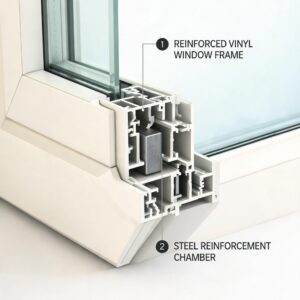
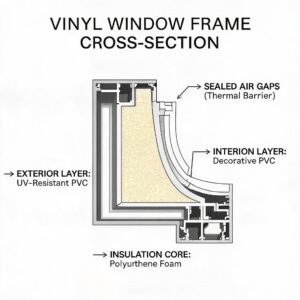
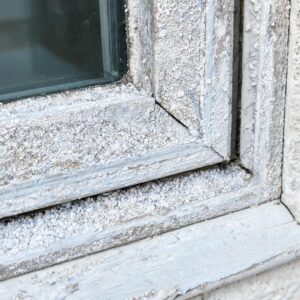
Vinyl (PVC): Polyvinyl chloride is a popular, cost-effective option. The color in black vinyl windows is typically a through-body pigment or a darker cap layer applied to a white or tan vinyl substrate. Performance hinges on the quality of the UV inhibitors and stabilizers compounded into the resin during manufacturing. Lower-quality vinyl may become brittle or chalky over time.
Advanced Composites (e.g., Fibrex): These materials, like Andersen’s proprietary Fibrex, blend polymer and wood fiber. This creates a product that is exceptionally stable, resistant to expansion and contraction, and often features a more durable, factory-applied finish. The color is usually a painted or baked-on coating, which can be remarkably resilient when done correctly.
Aluminum: Often used in commercial settings and modern residential designs, aluminum is strong and slim. It requires a high-quality powder-coated finish to resist chalking and fading. Its thermal conductivity is a key consideration for energy efficiency.
Fiberglass: Known for its strength and dimensional stability, fiberglass can be painted any color. Its low expansion rate makes it an excellent candidate for maintaining a flawless finish over time, directly addressing concerns like black vinyl window fading vs thermal expansion issues.

The Real Causes of Color Degradation in Dark Frames
Fading is a symptom, not the sole problem. Here’s what actually happens to dark window frames over time:
UV Radiation: The primary enemy. Ultraviolet rays break down chemical bonds in pigments and polymers, leading to color loss (fading) and surface degradation (chalking). The right question isn’t just “do they fade?” but “how is the material engineered to resist UV damage?”
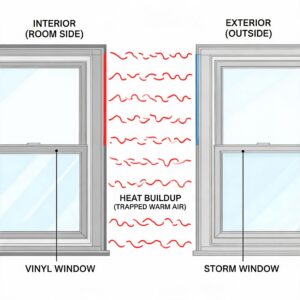
Thermal Expansion and Contraction: This is a silent culprit often overlooked. Dark colors absorb more heat. As the frame heats up and expands, then cools and contracts, it stresses the material and the finish. Over years, this cyclic stress can lead to micro-cracks, warping, and finish failure—issues sometimes mistaken for simple fading. High-quality materials with low coefficients of thermal expansion are crucial.
Environmental Assault: Pollution, acid rain, salt spray (in coastal areas), and industrial fallout can etch and degrade surfaces. A frame’s ability to resist these elements depends on its surface hardness and chemical resistance.
Selecting the Best UV Resistant Black Window Brands
Not all windows are created equal. When evaluating best UV resistant black vinyl window brands, look beyond the color swatch. Key indicators of quality include:
Warranty Coverage: Scrutinize the warranty for finish and color retention. A leading manufacturer will offer a 20-year or lifetime non-prorated warranty against fading, chalking, and peeling. The warranty terms reveal the company’s confidence in its product.
Manufacturing Process: For vinyl, inquire about capstock thickness and the inclusion of premium UV inhibitors like titanium dioxide. For painted finishes (on composites, fiberglass, or aluminum), look for multi-step processes involving primers, basecoats, and topcoats cured in controlled ovens. Brands like Andersen (with Fibrex), Marvin (with fiberglass or clad wood), and certain premium vinyl lines from specialized manufacturers invest heavily in these processes.
Independent Ratings: Check certifications from the American Architectural Manufacturers Association (AAMA) for finish performance, which tests for color change, gloss retention, and film integrity.
A Detailed Comparison: Vinyl vs. Composite vs. Fiberglass
To make an informed choice, let’s break down the key attributes:
Durability & Maintenance: Premium composites and fiberglass generally lead here. Their superior dimensional stability minimizes stress on the finish, and their factory-applied coatings are typically harder and more adherent than vinyl capstocks. Vinyl requires little maintenance but has a lower recovery threshold if scratched or damaged.
Energy Efficiency: Here, material conductivity matters. Vinyl and composites are naturally good insulators. Fiberglass is also excellent. Aluminum, unless thermally broken with a polymer barrier, can be a conductor of heat and cold. The best frames for efficiency will have warm-edge spacers, multiple glazing layers, and low-E coatings—regardless of color.
Aesthetic & Design Flexibility: For the truest, deepest matte black, painted finishes on composites, fiberglass, or aluminum are often superior. Vinyl can sometimes have a slight sheen. For historical authenticity or a specific profile, wood interiors with a black exterior cladding offer a classic solution.
Cost Analysis: Initial cost follows a general hierarchy: economy vinyl < premium vinyl < composite (Fibrex) < fiberglass < clad wood. However, total cost of ownership must factor in longevity, energy savings, and maintenance. A slightly more expensive, highly durable frame may offer better value over 30 years. Proactive Protection and Maintenance Strategies
Maximizing the life of your black windows is part science, part care.
Installation is Key: Improper installation can cause binding, stress, and seal failure. Ensure your installer follows manufacturer specifications for flashing, shimming, and sealing to prevent water intrusion and frame stress.
Cleaning Protocol: Use a soft cloth, mild detergent (like dish soap), and plenty of water. Avoid abrasive pads, harsh chemicals (like acetone or nail polish remover), and pressure washers directed at frame seams. Clean periodically to remove environmental contaminants that can degrade the finish.
Environmental Considerations: In extreme sun exposures (south and west faces in hot climates), the thermal load will be highest. Discuss this with your supplier. Some manufacturers may have specific recommendations or even different finish formulations for such applications.
Frequently Asked Questions
Q: Is the fading issue worse with black than with white vinyl windows?
A: Yes, practically and perceptually. While all materials degrade under UV light, the contrast change on a black frame is far more noticeable than on a white one. A slight fade on white may go unseen, but the same degree of fade on black can appear as a noticeable brown or gray shift. Furthermore, black absorbs more heat, exacerbating thermal stress.
Q: Can faded black window frames be restored or repainted?
A: It depends on the material. Properly repainting vinyl is challenging; the surface isn’t designed for field-applied paint adhesion, and it may void the warranty. Painted finishes on composites, fiberglass, or aluminum can often be professionally refinished by certified applicators using manufacturer-approved coatings. This is a significant advantage of choosing windows with field-repairable finishes.
Q: Are there any new technologies on the horizon for longer-lasting black frames?
A: Absolutely. Innovations include nano-ceramic coatings that provide extreme UV resistance and hardness, improved polymer blends with higher heat deflection temperatures, and even more advanced PVDF (Kynar) based paint systems for metal frames that offer exceptional gloss and color retention.
Q: For a new construction project, what is the single most important factor to specify?
A: The finish warranty. The specific terms covering fade resistance (often measured in Delta-E units on a color scale), chalking, and peeling are your legal guarantee. Pair this with choosing a manufacturer known for quality control and a reputable, certified installer for a complete solution.