The Truth About Thermal Movement in Vinyl Window Frames: A Manufacturer’s Deep Dive
For homeowners, few things are as concerning as noticing your windows aren’t operating smoothly—sticking in summer, drafty in winter, or making unsettling popping sounds. Often, the culprit is a fundamental property of the material itself: thermal movement. As a window industry expert, I’m here to provide a comprehensive, behind-the-scenes look at how and why vinyl windows react to temperature, and what truly matters for long-term performance.
Understanding the Science Behind Frame Movement
All materials expand and contract with temperature fluctuations, a principle governed by their coefficient of thermal expansion. Vinyl (PVC) has a relatively high vinyl window expansion coefficient compared to some other framing materials. This means that over a typical seasonal temperature swing, a standard window frame can change in length by a measurable fraction of an inch. This isn’t a defect; it’s physics. The critical factor isn’t whether movement occurs, but how the window system is engineered and installed to accommodate it.

Why Temperature Isn’t the Only Factor
While heat and cold are the primary drivers, several elements exacerbate this movement:
Direct Sunlight: A dark-colored frame in full sun can reach temperatures significantly higher than the ambient air, causing uneven expansion across the window itself.
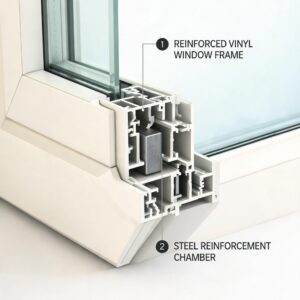
Frame Composition: Not all vinyl is equal. The quality of the PVC resin, the blend of additives for UV stability, and the presence of internal reinforcement all dramatically affect dimensional stability.
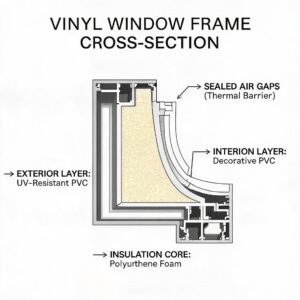
Profile Design: Multi-chambered, heavier extruded profiles tend to move less than thin, hollow profiles, as they have more structural integrity to resist the forces of expansion and contraction.
Critical Signs Your Windows Are Under Thermal Stress
Recognizing the symptoms early can prevent minor issues from becoming major repairs. Look for:
Operational Difficulty: Windows or doors that stick during hot weather but close easily in cooler months.
Visual Gaps: Noticeable separation between the frame and the interior trim or a changing gap at the meeting rail of double-hungs.
Audible Clicks or Pops: Sounds emanating from the frame, especially during rapid temperature changes at sunrise or sunset.
Air Infiltration: A sudden increase in drafts during cold weather, suggesting the sash has contracted away from the weatherstripping.
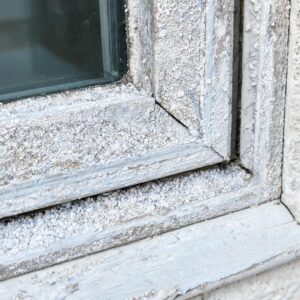
Stress Marks: Whitening or “crazing” on the frame at stress points, like corners, indicating material fatigue.
The Installation Factor: Your First Line of Defense
The most premium window will fail if improperly installed. Proper installation is the absolute key to managing thermal movement. This involves:
Correct Sizing: The rough opening must allow for an appropriate shim space around the unit.
Shimming Strategy: Strategic shimming prevents the frame from being “pinched” or bowed, allowing it to move freely within the wall.
Fastener Technique: Screws should never be over-tightened and must be placed in the correct locations—through the nailing fin and into the structural framing, not through the main frame cavity where they can restrict movement.
Proactive Measures: How to Prevent Vinyl Window Warping in Extreme Heat
Prevention is always better than cure. Here are expert-recommended strategies:
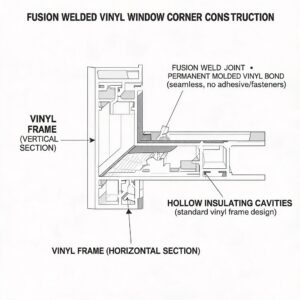
Choose Quality Products: Invest in windows with fusion-welded corners, UV-inhibited compounds, and internal reinforcement. A robust frame is more resilient.
Consider Color Wisely: Lighter frame colors reflect more solar energy, staying cooler and experiencing less extreme expansion than dark colors.
Ensure Professional Installation: Vet your installer thoroughly. Their expertise is as important as the window brand.
Provide External Shading: Awnings, shutters, or strategic landscaping can shield windows from direct, intense sunlight, moderating frame temperature.
Maintain Weatherstripping: Keep seals clean and pliable. High-quality, compression-style weatherstripping can accommodate movement while maintaining a seal.
For those in the selection phase, understanding the technical advantages of well-made PVC uPVC windows is crucial. Look for features like multi-chambered designs and reinforced profiles that are engineered specifically for dimensional stability across climates.
Beyond Vinyl: A Quick Comparison of Framing Materials
It’s helpful to contextualize vinyl’s performance:
Aluminum: Has a higher expansion coefficient than vinyl but is often used in larger commercial systems with specifically designed expansion joints.
Wood: Expands and contracts primarily with humidity, not temperature. It requires different maintenance but offers excellent insulation.
Fiberglass: Has an expansion rate very close to glass, making it exceptionally stable and a top performer in extreme temperature ranges.
When to Be Concerned: Warranty and Long-Term Outlook
Minor seasonal sticking is normal. However, persistent operational issues, visible distortion, seal failure, or water leakage are not. These indicate potential installation errors or, rarely, a product defect. Always review your manufacturer’s warranty; most cover defects in materials but not issues arising from improper installation. Choosing a system with strong dimensional stability is the best long-term investment for preventing callbacks and ensuring satisfaction, a key advantage of modern vinyl window expansion coefficient engineering.
Expert Q&A: Your Thermal Movement Questions Answered
Q: Will this movement eventually break my windows?
A: Not if they are quality products installed correctly. Windows are designed to handle this cyclic movement for decades. Failure typically points to an underlying installation or product quality issue.
Q: Can I adjust or repair a window that sticks due to expansion?
A: Sometimes. In summer, you can often carefully loosen the interior trim to relieve pressure. Avoid planing or sanding the frame itself, as this can compromise weather seals and void warranties. For persistent issues, consult the installer.
Q: Does this affect the window’s energy efficiency?
A: It can. If the moving sash compromises the weatherstrip seal, air leakage will occur. This underscores the importance of high-quality, resilient weatherstripping that can maintain contact through the expansion and contraction cycle.
Q: Are newer vinyl windows better at handling this than older ones?
A: Generally, yes. Advances in compound formulations, profile design, and reinforcement have significantly improved the dimensional stability of modern vinyl windows, making them a robust choice for managing thermal movement effectively.