The Real Story Behind Vinyl Window Performance
Let’s start with what vinyl windows are, because there’s a lot of confusion out there. Vinyl windows are made from polyvinyl chloride (PVC), a type of plastic that’s been engineered specifically for window frames. But not all vinyl is created equal. The quality difference between a budget-grade vinyl window and a premium one is massive.
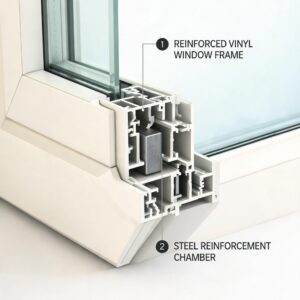
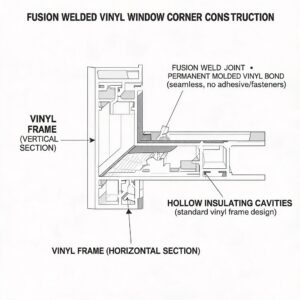
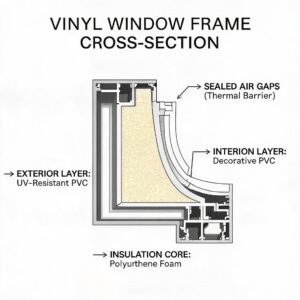
Modern vinyl windows use multi-chambered internal structures that create insulating air pockets. These chambers reduce heat transfer far better than the single-chamber designs from twenty years ago. Add in features like welded corners (instead of mechanically fastened), reinforced sashes, and high-quality weatherstripping, and you get a window that performs surprisingly well in both hot summers and freezing winters.

Breaking Down the Pros and Cons Honestly
Where Vinyl Windows Shine
Energy efficiency that holds up. When properly manufactured with multiple chambers, Low-E glass coatings, and argon gas fills, modern vinyl windows can achieve U-values as low as 0.27 or better. That puts them in the same efficiency ballpark as fiberglass and some wood windows, at a fraction of the cost. For homeowners in colder climates, this translates to real heating bill savings.
Maintenance is genuinely minimal. Vinyl doesn’t rot, warp, or corrode. It never needs painting. A simple wash with soap and water keeps them looking new for decades. For homeowners who don’t want to spend weekends scraping and repainting window frames, this is a major advantage.
Cost remains the biggest draw. On average, vinyl windows cost 30-50% less than wood or fiberglass alternatives. For a typical home with 15-20 windows, that difference can mean thousands of dollars saved upfront.
Sound dampening is better than you’d expect. The same multi-chambered construction that insulates against temperature also blocks noise. With double or triple glazing, vinyl windows can reduce outside noise by 30-40 decibels, which makes a noticeable difference in urban areas or near busy roads.
Where Vinyl Windows Have Limitations
Color options are limited compared to other materials. While vinyl can be manufactured in various colors, dark colors absorb heat and can cause the frame to warp in direct sunlight. White and lighter beige tones remain the most practical choices. If you need dark bronze or black windows, you might need to look at aluminum-clad or fiberglass options.
Structural strength has limits. Vinyl is strong, but it’s not as rigid as wood or fiberglass. Very large window openings—think picture windows over six feet wide—may require reinforcement with aluminum or steel inserts inside the vinyl frame. This adds cost and complexity.
Environmental concerns are worth noting. PVC production involves chlorine chemistry, and disposal at end-of-life isn’t as straightforward as wood or aluminum recycling. Some manufacturers are addressing this with recycled content programs, but it’s a valid consideration for environmentally conscious homeowners.
Cost-Benefit Analysis of Vinyl vs Wood Windows
This is where the decision gets personal. Let’s look at the numbers honestly.
A mid-range vinyl window installed typically costs between $400 and $800 per window. A comparable wood window runs $800 to $1,500 or more. The upfront savings are obvious.
But here’s what the simple price comparison misses: vinyl window ROI for home resale varies by market. In some regions, vinyl windows are standard and expected. In higher-end markets, buyers may prefer wood or fiberglass and might not pay a premium for vinyl replacements.
The real math comes down to how long you plan to stay in your home. If you’re staying 10-15 years, vinyl almost always makes financial sense. The energy savings and low maintenance offset the lower resale premium. If you’re in a luxury home and plan to sell within five years, wood windows might return more of your investment.
Energy Performance: What the Numbers Actually Mean
We get asked constantly about energy ratings, so let’s demystify them.
The U-value measures how well a window prevents heat from escaping. Lower is better. A good vinyl window should have a U-value between 0.27 and 0.32. For comparison, a single-pane window has a U-value around 1.0, so you’re looking at a 70% improvement.
The Solar Heat Gain Coefficient (SHGC) measures how much heat from sunlight passes through. In cold climates, you want a higher SHGC (0.4-0.6) to let passive solar heat in during winter. In hot climates, lower SHGC (0.2-0.3) keeps your home cooler.
The best vinyl windows combine Low-E coatings that are spectrally selective—they block UV rays that fade furniture while letting visible light through. This is where you get the most practical value, because it protects your interiors without making rooms feel dark.
Installation Quality Matters More Than You Think
Here’s something most articles skip: even the best vinyl window performs poorly if installation is sloppy. We’ve seen premium windows leak air and water simply because the installer didn’t properly flash the opening or used inadequate insulation around the frame.
A proper installation includes:
- Removing old windows down to the rough opening
- Inspecting and repairing any rot in the surrounding framing
- Applying proper flashing tape to prevent water infiltration
- Using low-expansion foam insulation around the frame
- Leveling and shimming the window correctly
- Caulking and sealing all exterior joints
If you’re comparing quotes, don’t just look at window prices. Ask about installation methods. A slightly more expensive quote that includes proper flashing and insulation is actually the better value.
How Long Do Vinyl Windows Actually Last?
Manufacturers typically warranty vinyl windows for 20 years to lifetime, depending on the brand and product line. In real-world conditions, well-made vinyl windows last 20-30 years before showing significant wear.
The most common failure points aren’t the frame itself but the components: seals between glass panes can fail, causing fogging; hardware like locks and hinges can wear out; weatherstripping can compress and lose its seal. All of these are repairable, but they’re worth considering when you evaluate long-term costs.
Premium vinyl windows with reinforced frames and high-quality hardware tend to last longer than budget options. The extra $100-200 per window for a better grade often pays for itself in extended service life.
Faire le bon choix pour votre maison
So are vinyl windows worth it? For the vast majority of homeowners, the answer is yes—with caveats.
Vinyl is an excellent choice if:
- You’re working within a moderate budget
- You want minimal maintenance
- You live in a climate with distinct seasons
- You plan to stay in your home for 10+ years
- Your home has standard-sized window openings
Vinyl might not be ideal if:
- You need dark-colored windows
- You have very large or custom-shaped openings
- You’re in a luxury market where buyers expect wood
- Environmental sustainability is your top priority
If you’re still weighing your options, take a closer look at the cost-benefit analysis of vinyl vs wood windows for your specific home size and climate zone. The numbers can vary significantly depending on your local energy costs and home value.
For those ready to move forward, understanding the vinyl window ROI for home resale in your specific market will help you choose the right quality level without overspending.
Questions fréquemment posées
Do vinyl windows expand and contract in extreme temperatures?
Yes, vinyl expands and contracts more than wood or aluminum. Quality manufacturers account for this with proper frame design and installation gaps. In very hot climates, dark-colored vinyl can warp, which is why white and light colors are recommended.
Les fenêtres en vinyle peuvent-elles être peintes ?
Technically yes, but it’s not recommended. Paint doesn’t adhere well to vinyl long-term and can peel. If you want color, look for vinyl windows with factory-applied color or choose a different material.
Are vinyl windows good for soundproofing?
They can be, especially with double or triple glazing and laminated glass. The multi-chambered frame design helps dampen sound. For serious soundproofing, add different glass thicknesses in the same window (asymmetric glazing).
Do vinyl windows increase home value?
In most markets, yes, but not as much as wood windows. Energy-efficient vinyl windows are considered a standard upgrade, while wood windows are seen as a premium feature. The value increase depends on your local real estate market.
How do I clean vinyl windows?
Simple soap and water works best. Avoid abrasive cleaners or scrubbers that can scratch the surface. For stubborn dirt, use a mild vinegar solution. Clean the tracks and weep holes annually to prevent drainage issues.
What’s the difference between new construction and replacement vinyl windows?
New construction windows have a nailing fin for installation before siding goes on. Replacement windows fit into existing frames and are used for retrofits. Replacement windows are typically less expensive to install but may have slightly smaller glass area.