The Complete Guide to Vinyl Window Warping: Truths, Myths, and Modern Solutions
If you’re considering new windows for your home, you’ve likely heard concerns about vinyl frames warping over time. This common worry stops many homeowners from choosing what is otherwise an excellent, energy-efficient option. The straightforward answer is that modern, high-quality vinyl windows are engineered specifically to resist warping, even under intense heat and through seasonal changes. Warping is typically a symptom of poor-quality materials or incorrect installation, not an inherent flaw of the product itself. This guide will dive deep into the science behind vinyl stability, separate persistent myths from reality, and show you how to choose windows that will stay straight, functional, and beautiful for decades.
Understanding the Real Causes of Window Frame Distortion
To prevent warping, it’s essential to understand what causes it. Frame distortion rarely happens without a contributing factor.
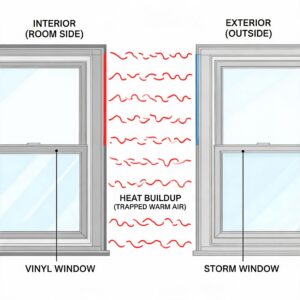
Extreme and Uneven Heat Exposure: While PVC window frames are designed to handle temperature fluctuations, sustained, direct exposure to intense heat on one side of a frame can cause uneven expansion. Think of a large picture window on a south-facing wall with no shading. Over many years, this constant thermal stress can potentially lead to bowing if the frame isn’t robustly constructed.
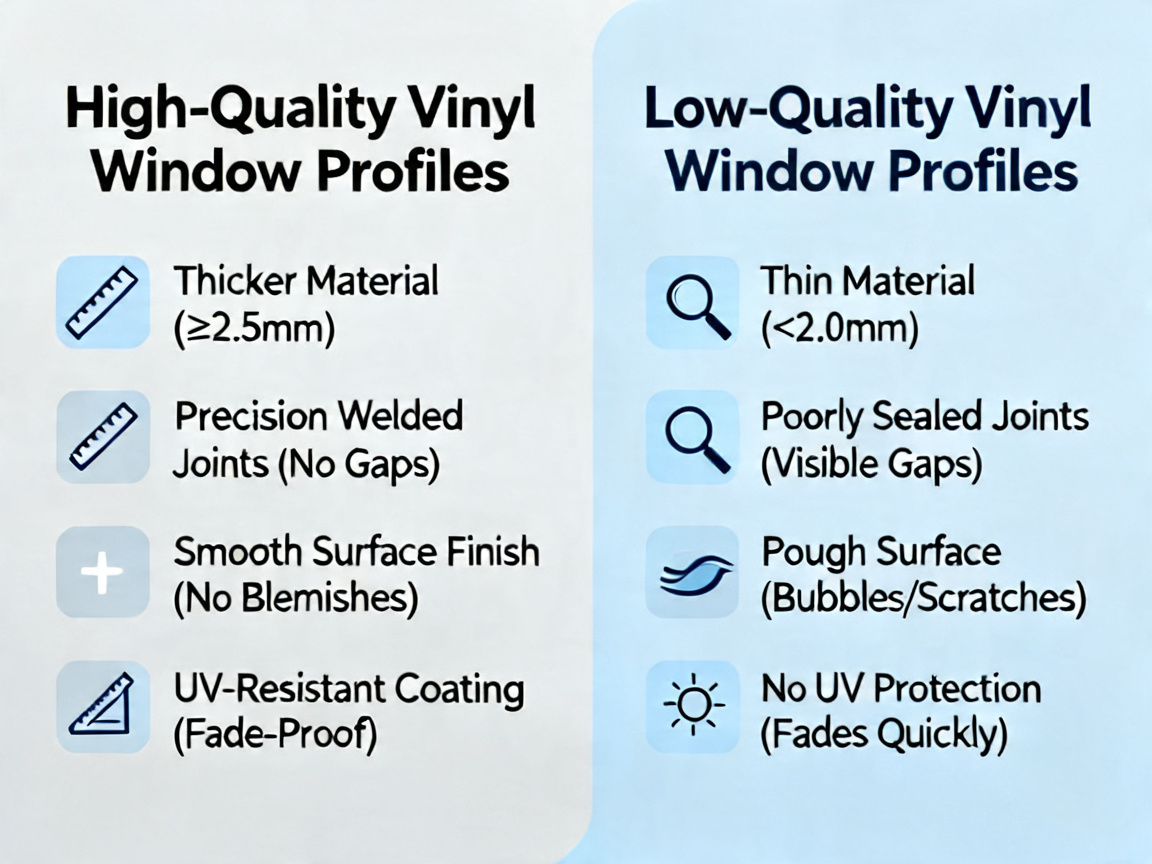
Substandard Material Quality: Not all vinyl is created equal. Inferior products may use recycled or low-grade PVC resins with insufficient levels of titanium dioxide (a UV stabilizer) and impact modifiers. These low-quality frames are more susceptible to becoming brittle, fading, and losing their structural integrity, which can manifest as warping or sagging.
The Critical Role of Installation: This cannot be overstated. Even the finest UPVC window will fail if installed incorrectly. If a frame is forced into an opening that isn’t square or is improperly shimmed and fastened, it will be under permanent stress. This “pre-loading” of the frame, combined with natural expansion and contraction, often leads to warping, air leaks, and operational problems down the line.
Debunking Common Myths About Vinyl and Heat
Let’s clear the air on some widespread misconceptions that confuse homeowners.
Myth 1: “Vinyl melts or sags easily in the sun.” This is an outdated belief rooted in early vinyl products. Today’s premium frames are UV-stabilized. The compounds include additives that reflect and absorb ultraviolet radiation, preventing the chemical breakdown that leads to softening, discoloration, and loss of shape. They are rated to withstand the sun’s intensity for the lifetime of the window.
Myth 2: “All vinyl windows are the same.” The difference between a budget big-box store window and a premium, professionally installed one is vast. It lies in the thickness of the profile, the number and design of internal reinforcement chambers, the quality of the vinyl compound, and the standards of the manufacturing process. These factors directly impact resistance to warping.
Myth 3: “Warping is inevitable over time.” With proper product selection and installation, warping is not a foregone conclusion. High-performance PVC windows are built to maintain their dimensional stability through thousands of thermal cycles, from freezing winters to scorching summers.
Engineering Excellence: How Modern Frames Resist Warping
Manufacturers combat warping through intelligent design and material science.
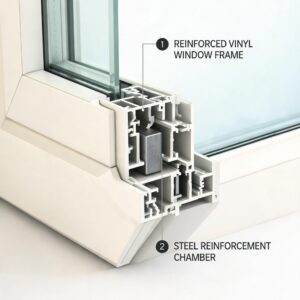
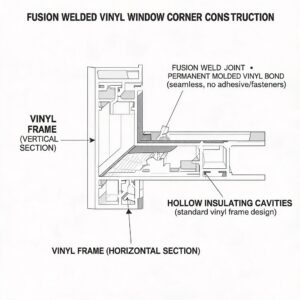
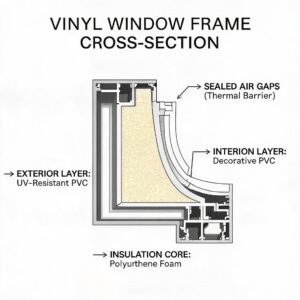
Multi-Chambered Design: Inside the frame, you’ll find a series of hollow chambers. This isn’t just for insulation. These chambers create a rigid, box-like structure that provides exceptional strength and resistance to twisting or bending forces, much like the I-beam in construction.
Integrated Reinforcement: For larger window units, especially sliding doors or expansive picture windows, manufacturers often insert galvanized steel or aluminum reinforcement bars directly into the main chambers of the frame and sash. This adds tremendous structural rigidity, preventing any bowing under their own weight or wind pressure.
Premium Vinyl Compounds: Leading brands use proprietary, virgin PVC blends with precise additives. These include impact modifiers for strength, UV stabilizers for sun resistance, and pigments that are fused throughout the material (not just coated on) to prevent fading and maintain consistency.
Your Action Plan for Choosing Warp-Resistant Windows
Ensuring your investment lasts requires a proactive approach. Follow this checklist to guarantee you get a stable, long-lasting installation.
Prioritize Professional Installation: Choose an established, certified installer with a proven track record. Proper installation is non-negotiable for preventing stress-related warping. They will ensure the rough opening is prepared correctly, the unit is level, square, and shimmed properly, and is fastened according to manufacturer specifications.
Look for Quality Indicators: Don’t just shop by price. Examine the window profile. It should feel substantial and rigid. Ask about the chamber design and whether reinforcement is included or recommended for your size of window. Check for certifications like ENERGY STAR® and ratings from the American Architectural Manufacturers Association (AAMA).
Consider Your Home’s Microclimate: Be mindful of extreme exposures. For windows that will receive brutal, direct afternoon sun, discuss options with your installer. This might include specifying windows with additional reinforcement, choosing a lighter color frame to reflect more heat (darker colors absorb more thermal energy), or planning for exterior shading like awnings or overhangs.
Understand the Warranty: A strong, transferable warranty is a sign of manufacturer confidence. Read it carefully. It should explicitly cover defects in materials, including warping or distortion of the frame under normal conditions, for a period of at least 20 years.
Final Verdict: A Smart Investment for Lasting Performance
The narrative that vinyl windows are prone to warping is largely a relic of the past. Today’s advanced UPVC windows are the product of decades of innovation, designed to offer unparalleled durability and thermal efficiency. The key to success lies in bypassing the cheapest options and investing in quality products installed by experts. When you do, you can expect windows that remain dimensionally stable, operate smoothly, and look great through years of Connecticut’s variable weather, ultimately protecting your home’s comfort, value, and curb appeal.
Frequently Asked Questions (FAQ)
Q: How long should a quality vinyl window last without warping?
A: A premium PVC window that is professionally installed should maintain its structural integrity and operate flawlessly for 25 to 40 years or more. Warping should not occur during the expected lifespan of the product.
Q: Can a warped vinyl window be repaired, or does it need replacement?
A: It depends on the severity. Minor warping that affects operation might sometimes be adjusted by a skilled technician. However, significant warping that breaks the weather seal, causing drafts and moisture intrusion, usually necessitates full replacement to restore your home’s efficiency and protection.
Q: Are there any maintenance steps to prevent warping?
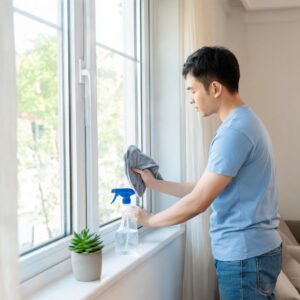
A: Fortunately, vinyl is very low maintenance. The best preventative step is to keep the tracks and drainage weeps clean to ensure water can escape freely. Avoid using harsh chemical cleaners or power washers directly on the seals. Simply washing with mild soap and water is sufficient.
Q: Is warping more common with certain window styles, like large picture windows?
A: Larger window units, like picture windows or sliding doors, are under more structural stress. This makes the inclusion of internal steel reinforcement absolutely critical for these applications to prevent any potential sagging or bowing over time. Always confirm reinforcement is used for oversized units.
Q: Does the color of the vinyl frame affect its likelihood to warp?
A: It can be a factor. Darker colors, like black or dark brown, absorb more solar thermal energy than white or beige frames. This can cause the frame to reach a slightly higher temperature. While high-quality dark vinyl is formulated to handle this, opting for lighter colors can be a conservative choice for windows in extreme, direct-sun locations.