The Definitive Guide to Vinyl Window Longevity: A Manufacturer’s Expert Perspective
For homeowners, the question of window replacement is a significant one, tied to comfort, energy bills, and home value. As an industry expert, I’m here to move beyond the simplistic timelines and provide a comprehensive, authoritative look at what truly determines the service life of your vinyl windows. This guide will equip you with the knowledge to make informed decisions for your home.
Understanding the Lifespan Expectancy of Vinyl Windows
While you’ll often hear a broad range of 20 to 40 years, this figure is almost meaningless without context. The reality is that the longevity of your vinyl window installation is not predetermined by a calendar. It is a direct result of the interplay between product quality, installation precision, and environmental forces. A premium, professionally installed window in a temperate climate can easily surpass 40 years of performance, while a budget model facing harsh coastal salt spray might show significant wear in half that time.
The Core Factors That Dictate Durability
The material science behind vinyl, or more accurately uPVC (unplasticized Polyvinyl Chloride), is crucial. High-quality vinyl formulations include impact modifiers, UV stabilizers, and titanium dioxide for color retention. These additives combat the primary enemies of any exterior building material: solar radiation and thermal cycling. Inferior vinyl, often thinner and with fewer stabilizers, will become brittle, discolored, and warp-prone much faster.
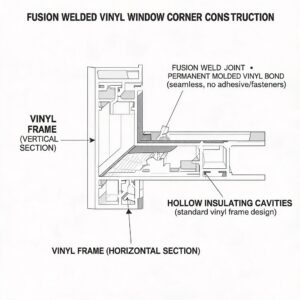
Climate is the ultimate accelerator of wear. In regions with intense, prolonged sun exposure, UV degradation is the chief concern. Conversely, in areas with extreme temperature swings—think hot days and cold nights—the constant expansion and contraction stresses the frame, seals, and welds. This is why discussing the average lifespan of high-quality vinyl windows in hot climates requires specifying the product tier; premium lines with advanced composite reinforcement often fare exceptionally well.
Recognizing the Critical Signs of Failure
Knowing when to intervene is key to preventing secondary damage like moisture intrusion or energy loss. Some signs are obvious, while others are subtle.
Visible and Functional Red Flags:
Persistent Condensation Between Panes: This is the clearest indicator of a failed insulating glass seal. Once the hermetic seal breaks, argon gas escapes and moisture enters, leading to cloudiness and total loss of insulating value.
Operational Difficulty: Windows that are hard to open, close, or lock. This often points to frame warping, sash settlement, or hardware failure.
Drafts and Temperature Discomfort: Feeling air movement near the closed window or noticing that a room is consistently colder indicates a broken weather seal or poor fit.
Subtle Indicators Often Overlooked:
Fading of Interior Furnishings: This suggests that the window’s low-E coating is degrading, allowing more UV light to penetrate.
Increased Outdoor Noise: A reduction in sound insulation can mean the glass seal or weatherstripping is compromised.
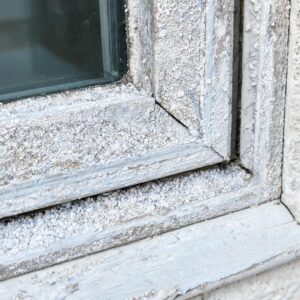
Visible Frame Degradation: Look for chalky residue (chalking), noticeable warping, or discoloration that isn’t simply dirt.

Among these, understanding the signs of vinyl window seal failure is paramount, as it directly impacts energy efficiency. The fogging is just the symptom; the cause is a compromised barrier that can no longer protect your home’s thermal envelope. When this occurs, the window is no longer performing its core function.
The Repair vs. Replace Decision Matrix
Not every issue warrants a full replacement. Here’s a manufacturer’s breakdown of when to fix and when to invest.
Repair is Viable When:
The issue is isolated to hardware (locks, hinges, balances). These are standard replacement parts.
There is minor weatherstripping wear in an otherwise sound frame and sash.
The glass is cracked but the insulating seal is intact (a simple glass replacement).
Replacement is Necessary When:
The insulating glass seal has failed (condensation between panes).
The main frame or sash is warped, preventing a proper seal.
You have single-pane windows or old, inefficient double-pane units.
Multiple components are failing simultaneously, indicating systemic age-related failure.
Choosing Your Replacement: A Technical Deep Dive
When replacement is the right path, your choices matter more than ever. The market offers distinct paths, each with implications for performance and longevity.
Insert Replacement (Pocket Installation): This involves installing a new window into the existing frame. It’s less invasive and costly but is only possible if the existing frame is structurally sound, square, and moisture-free. It also slightly reduces the glass area.
Full-Frame Replacement: This is the comprehensive solution. The entire window, including the exterior trim and frame, is removed down to the rough opening. It allows for a complete inspection of the surrounding wall, remediation of any rot or mold, and re-insulation. It ensures a perfect, weather-tight fit and is the only method that truly resets the window’s lifespan clock.
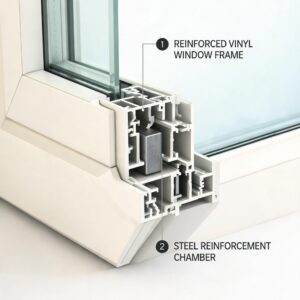
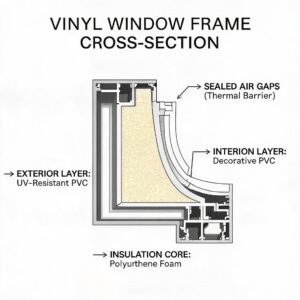
For those exploring options, understanding the technical advantages of modern systems is crucial. Today’s advanced PVC uPVC windows feature multi-chambered profiles for superior insulation and strength far beyond older models.
Maximizing Your Investment: Care and Planning
Proactive Maintenance is Simple but Critical:
Annual Cleaning: Use a mild soap and water solution. Avoid abrasive cleaners or solvents that can damage the vinyl.
Seal and Gasket Inspection: Check the weatherstripping each fall for pliability and tears.
Hardware Lubrication: Annually lubricate moving parts with a silicone-based spray.
Frame and Drainage Check: Ensure weep holes at the bottom of the frame are clear of debris to allow moisture escape.
Strategic Planning for Replacement:
Don’t wait for a crisis. If your windows are approaching 25 years old, begin researching. Get multiple quotes that detail the product lines (builder, premium, architectural grades), glass packages, and warranty terms. A professional assessment can identify failing units that may not yet be obvious. Remember, the longevity of your new installation hinges as much on the skill of the installer as the quality of the product. Choose a certified, experienced professional who follows manufacturer specifications and best practices for flashing and integration into your home’s water management system.
Expert Q&A: Your Vinyl Window Questions Answered
Q: Can failed window seals be repaired without replacing the whole window?
A: Technically, yes, a glass-only replacement can address a failed seal. However, this requires a skilled technician to remove the sash, replace the insulated glass unit (IGU), and reinstall it without damaging the frame. It’s cost-effective for newer, high-end windows. For older windows, a full replacement often provides better long-term value and performance gains.
Q: Does the color of the vinyl affect its lifespan?
A: Yes, significantly. Darker colors, especially blacks and browns, absorb more solar heat. This leads to greater thermal expansion and contraction, which can accelerate stress on the welds and seals over decades. Lighter colors remain more dimensionally stable. If you desire a dark exterior, look for lines with advanced color technology or composite reinforcement designed to manage the additional heat load.
Q: How do I know if I’m choosing a high-quality vinyl window?
A: Look beyond marketing. Ask for specifics: the profile thickness (wall thickness matters), the number of reinforcement chambers, the brand and specs of the glass package (Low-E coatings, argon fill), and the details of the warranty—both on the product and the glass seal. A reputable manufacturer will provide clear, technical data. The benefits of investing in such quality are clear when you examine the features of modern high-quality PVC uPVC windows, which are engineered for decades of service.
Q: Are there any new technologies that will extend the life of future vinyl windows?
A: Absolutely. The frontier is in material composites and smart glass. Fibreglass reinforcement within vinyl profiles is creating incredibly strong, stable frames. In glass, advancements in durable, “hard-coat” Low-E applications and even smarter suspended film systems in triple glazing are improving durability. Furthermore, integrated moisture-sensing technology in frames could one day alert homeowners to seal breaches before energy loss or damage occurs.