The Ultimate Guide to Window Frame Materials: Making an Informed Choice for Your Home
Introduction: Beyond the Basics of Window Selection
Choosing new windows is one of the most significant investments you can make in your home’s comfort, value, and aesthetic appeal. For many homeowners, the array of material choices—vinyl, aluminum, wood, composite, and various clad options—can feel overwhelming. Each material brings a distinct set of properties to the table, influencing not just the look of your home, but its energy efficiency, maintenance demands, and long-term performance. As an industry expert with decades of experience in window manufacturing and installation, I’ve seen the evolution of these materials firsthand. This guide is designed to move beyond sales pitches and marketing jargon, providing you with a comprehensive, unbiased comparison to empower your decision. We’ll delve into the nuances that generic articles often miss, including the critical differences in construction quality within each material category and how your local climate should dictate your choice.
The Core Window Frame Materials: A Detailed Breakdown
To make an informed decision, you need a clear understanding of the fundamental characteristics of each primary window frame material.
Vinyl Windows: The Modern Mainstream Favorite
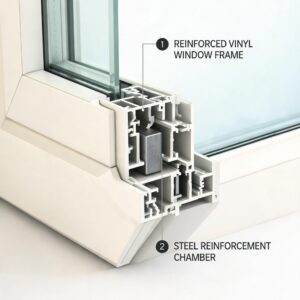
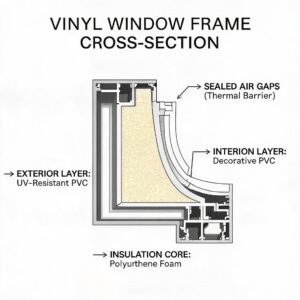
Vinyl, or polyvinyl chloride (PVC), windows dominate the market for excellent reasons. They are extruded into hollow, multi-chambered profiles that provide inherent insulation. Modern vinyl isn’t the brittle, fading material of the past; high-quality formulations include UV inhibitors for color stability, impact modifiers for strength, and titanium dioxide for a bright, clean finish.
Key Advantages:
Energy Efficiency: The multi-chambered design and the material’s low thermal conductivity create excellent resistance to heat transfer.
Low Maintenance: They never need painting or sealing. A simple cleaning with soap and water is all that’s required.
Cost-Effectiveness: Typically, they offer the lowest upfront cost among all window materials.
Moisture Resistance: Impervious to rot, corrosion, and insect damage.
Considerations:
Limited Color Options: While white and tan are standard, darker colors can be achieved with laminated or painted finishes, though these may carry a premium and have different long-term performance.
Non-Renewable: Vinyl is a petroleum-based product.
Structural Limits: Very large window openings may require internal steel or composite reinforcement, which should be specified.
Aluminum Windows: Strength and Sleek Modernity
Aluminum windows are the epitome of structural strength and minimalist design. Their thin sightlines allow for maximum glass area, making them ideal for modern architectural styles and commercial applications. The material is incredibly strong, durable, and recyclable.
Key Advantages:
Strength & Durability: Can support very large panes of glass without bulky frames. Highly resistant to warping, cracking, and shrinking.
Sleek Aesthetics: Offers the thinnest possible frame profile for a clean, contemporary look.
Low Maintenance: Anodized or painted finishes are highly durable and require little upkeep beyond cleaning.
Recyclable: Aluminum is one of the most recyclable building materials.
Critical Consideration – Thermal Breaks:
The primary historical drawback of aluminum is its high thermal conductivity, which makes it a poor insulator. This is addressed in quality modern windows with a thermal break—a polyamide bar inserted between the interior and exterior aluminum profiles to drastically reduce heat transfer. Never install non-thermally broken aluminum in a residential setting in a climate with temperature extremes.
Wood Windows: Timeless Beauty and Natural Insulation
Wood windows offer a classic, warm aesthetic that synthetic materials struggle to replicate. They provide excellent natural insulation and can be easily customized with stains or paints to match any décor.
Key Advantages:
Aesthetic Appeal: Unmatched natural beauty and architectural authenticity, especially for traditional, historic, or craftsman-style homes.
Natural Insulator: Wood has a low thermal conductivity, making it inherently energy-efficient.
Customization: Can be sanded, stained, or painted any color.
The Maintenance Reality:
Wood requires commitment. Exterior surfaces must be refinished every 3-5 years to protect against moisture, UV damage, and insects. Failure to maintain the finish can lead to rot, warping, and costly repairs. This makes them a higher-labor option over their lifespan.
Composite Windows: Engineered for Performance
Composite windows are the high-performance athletes of the window world. They are engineered from a blend of materials—often wood fibers and polymer plastics—to create a product that outperforms its individual components. The goal is to combine the structural stability and insulation of wood with the moisture and decay resistance of plastic.
Key Advantages:
Superior Stability: More dimensionally stable than wood, meaning they resist warping, swelling, and shrinking with humidity changes.
Durability & Low Maintenance: The material is incredibly dense and resistant to rot, insects, and moisture. Exterior finishes are typically baked-on and highly durable.
Excellent Energy Performance: Often exceeds the insulation values of vinyl and wood.
Consideration:
Cost: This advanced engineering comes at a price, placing composite windows at the higher end of the investment spectrum.
The Clad Window Hybrid: Understanding Your Options
This brings us to a sophisticated solution that aims to offer the best of both worlds. A clad window features an interior frame of one material (almost always wood for its insulation and finishability) and an exterior “cladding” of another, more durable material.
So, what is a vinyl clad window? It is a wood window where the exterior-facing wood is protected by a thick, extruded vinyl shell. This shell is mechanically bonded to the wood substrate, protecting it from the elements. The interior wood surface remains exposed and can be finished to your taste.
Aluminum cladding is another popular option, typically using a thick, painted aluminum jacket. It is exceptionally tough and offers a cleaner, sharper finish than vinyl cladding.
Vinyl Clad vs. Full Vinyl Windows: A Critical Comparison
This is a common point of confusion. While both involve vinyl, they are fundamentally different products.
A full vinyl window is constructed entirely from hollow PVC extrusions. Its color is consistent throughout the material.
A vinyl clad wood window is primarily a wood window. The vinyl is only an exterior protective shell over a solid wood interior frame. This gives you the maintenance-free exterior of vinyl with the aesthetic and insulating benefits of a wood interior.
The choice here often comes down to interior aesthetics and budget. If you desire the authentic look and feel of wood inside your home, a clad window is the path. If your priority is a cost-effective, low-maintenance solution throughout, a full vinyl window is likely the better choice.

Aluminum vs. Vinyl Clad Wood Windows: Weighing the Pros and Cons
When deciding on cladding material, the debate often narrows to aluminum versus vinyl. Here’s a nuanced look at the aluminum vs vinyl clad wood windows pros and cons.
Aluminum Cladding Pros:
Durability: More resistant to impact, scratching, and extreme weather than vinyl.
Aesthetic Finish: Offers a sharper, crisper appearance with a wider range of color options, including dark and vibrant colors that are more colorfast than vinyl.
Thinner Profile: Can allow for slightly slimmer sightlines than vinyl cladding.
Aluminum Cladding Cons:
Cost: Generally more expensive than vinyl cladding.
Denting: While scratch-resistant, it can dent upon significant impact.
Noise: May transmit more sound from rain or hail than vinyl.
Vinyl Cladding Pros:
Cost-Effective: A more affordable cladding option.
Warmth to the Touch: Doesn’t get as cold as aluminum in winter.
Quieter: Tends to dampen sound from weather.
No Painting Required: The color is solid throughout the thickness of the cladding.
Vinyl Cladding Cons:
Color Limitations: Darker colors can be prone to fading and heat warping over time, as the material expands and contracts.
Surface Texture: Can show mold lines or have a less “premium” visual texture than painted aluminum.
Expansion/Contraction: Has a higher coefficient of thermal expansion than aluminum, which must be accounted for in the window’s engineering.
For those prioritizing a bold exterior color and maximum durability, aluminum cladding is often the preferred choice. For a classic look in neutral tones with excellent value, vinyl cladding is superb. For a deeper dive into the technical advantages of modern synthetic materials, explore our guide on PVC and uPVC windows.
The Decision Matrix: How to Choose the Right Window for YOU
Beyond material specs, your personal context is everything. Ask these questions:
What is Your Home’s Architectural Style? A historic Victorian demands wood or a meticulously designed clad window. A mid-century modern home sings with thermally broken aluminum.
What is Your Local Climate? In humid, rainy climates, moisture resistance (vinyl, composite, clad) is paramount. In extreme cold, insulation value (wood, composite, multi-chambered vinyl) is key. In coastal areas, corrosion resistance (vinyl, properly coated aluminum) is critical.
What is Your Maintenance Tolerance? Be honest. If you don’t want to paint, rule out exterior wood.
What is Your Budget (Both Initial and Long-Term)? Factor in not just purchase price, but energy savings over time and future maintenance costs. A more expensive, low-maintenance, high-efficiency window may have a better total cost of ownership.
Expert Q&A: Your Window Material Questions Answered
Q: Is a composite window better than a clad wood window?
A: “Better” depends on your goals. Composite windows are a homogenous, engineered material offering exceptional all-around performance with very low maintenance. A clad wood window offers the authentic interior wood experience. For ultimate durability and a uniform material, composite is fantastic. For traditional interior aesthetics with a protected exterior, clad is the answer.
Q: I love the look of wood but hate maintenance. What’s my best option?
A: Your best path is a clad wood window (either vinyl or aluminum clad). You get the beautiful, warm wood interior you can stain or paint, while the exterior cladding handles weather protection. Alternatively, investigate high-end uPVC windows that offer wood-like interior laminates for a maintenance-free solution.
Q: Are vinyl windows cheap and flimsy?
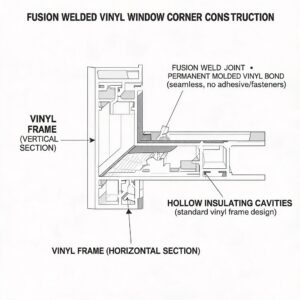
A: This is an outdated stereotype. Quality vinyl windows are engineered with reinforced profiles, precision welding, and high-quality hardware. While budget options exist, a premium vinyl window from a reputable manufacturer is a durable, high-performance product that will last for decades. The key is to assess the profile’s thickness, chamber design, and the quality of the hardware.
Q: How important is the window installation compared to the material?
A: Critically important. The finest window in the world will perform poorly if installed incorrectly. Proper flashing, sealing, insulation, and level/square installation are non-negotiable for energy efficiency, waterproofing, and operation. Always choose an experienced, certified installer who offers a strong warranty on their labor. The material is only half the equation for a successful project.