The Ultimate Guide to Choosing Vinyl Windows for Your Home
When it comes to home improvement, few upgrades offer the perfect blend of enhanced aesthetics, improved energy efficiency, and long-term value like replacing your old windows. Among the myriad of options available to today’s homeowner, Vinyl Windows have surged in popularity, becoming a top choice for both renovation projects and new constructions. This comprehensive guide delves deep into the world of vinyl fenestration, moving beyond basic comparisons to explore the material science, installation nuances, and design versatility that make these windows a standout selection for the modern “doer.”

Understanding the Material: More Than Just Plastic
While often casually referred to as “plastic windows,” the technology behind today’s high-performance UPVC window systems is sophisticated. The unplasticized polyvinyl chloride (uPVC) used in quality frames is a rigid, durable polymer engineered for the specific demands of building exteriors.
Key Material Advantages:
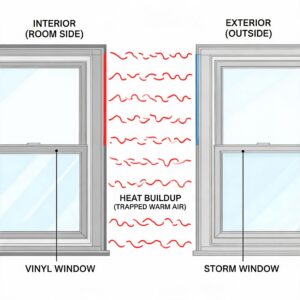
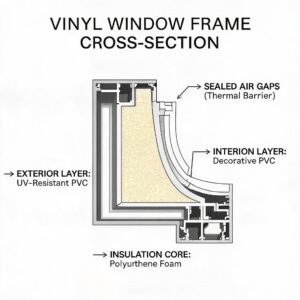
Thermal Insulation: The multi-chambered design of vinyl profiles creates pockets of dead air, forming an exceptional thermal break that wood and aluminum frames struggle to match. This directly translates to lower heating and cooling costs.
Inherent Stability: Unlike wood, which expands, contracts, and can rot, uPVC is impervious to moisture and resistant to corrosion, salt spray, and pollution. It won’t warp, crack, or require seasonal painting.
Low Maintenance: The color is fused throughout the material, eliminating the need for scraping, sanding, or repainting. A simple cleaning with soap and water is all that’s required to keep them looking new for decades.
Design Versatility and Aesthetic Appeal
Gone are the days when vinyl windows were only available in bulky, white frames. Modern manufacturing has unlocked incredible design flexibility.
Color and Finish Options: Today’s market offers a vast palette. You can choose from classic whites and off-whites to rich, wood-grain laminates in oak, walnut, or mahogany finishes that mimic the look of traditional wood from a few feet away. Some manufacturers even offer custom color matching.
Style and Configuration: Whether your home calls for elegant double-hungs, sleek casements, expansive picture windows, or energy-efficient awning styles, PVC window systems are available in virtually every configuration. They can be customized with decorative grilles (simulated divided lites or true divided lites), unique hardware finishes, and even curved or arched tops to match architectural details.
The Energy Efficiency Deep Dive
The true cost-saving power of a UPVC window lies in its complete system performance. It’s not just the frame; it’s the synergy between the vinyl profile, the glass package, and the weather sealing.
Glass Package Innovations: Pairing a vinyl frame with a high-performance glazing unit is where magic happens. Look for:
Double or Triple Glazing: Multiple panes with insulating argon or krypton gas fills.
Low-E Coatings: Microscopically thin, invisible metallic layers on the glass that reflect interior heat back inside during winter and reflect solar heat away during summer.
Warm Edge Spacers: The material that separates the glass panes. Modern non-metal spacers reduce condensation and improve edge-of-glass insulation.
This combination can result in U-factors and Solar Heat Gain Coefficients (SHGC) that meet or exceed the most stringent ENERGY STAR® requirements for any climate zone in North America.
Installation: The Critical Factor for Performance
Even the highest-quality vinyl window will underperform if installed incorrectly. Proper installation ensures water management, air infiltration control, and structural integrity.
Key Installation Principles:
1. Flashing Integration: The window must be properly integrated into the home’s weather-resistive barrier (house wrap) using step and head flashing to direct water away from the rough opening.
2. Air Sealing: Using low-expansion foam and high-quality caulking to create a continuous air seal between the window frame and the rough opening is crucial for preventing drafts and moisture intrusion.
3. Level, Plumb, and Square: The unit must be shimmed correctly to ensure it operates smoothly and the weatherstripping seals effectively.
While a skilled DIYer can tackle this project, the complexity of flashing and sealing in existing walls often makes professional installation a wise investment to guarantee the warranty and maximize energy savings.
Cost Analysis and Long-Term Value
The initial investment for vinyl windows is typically mid-range—more affordable than high-end wood or fiberglass composites but often slightly more than basic aluminum. However, the total cost of ownership tells a more compelling story.
Breaking Down the Value:
Upfront Cost: Competitive and predictable, with fewer variables than wood.
Operational Cost: Significant reduction in annual energy bills.
Maintenance Cost: Near zero. No painting, staining, or sealing expenses ever.
Lifespan: A quality vinyl window from a reputable manufacturer can last 30-40 years with minimal degradation.
When you factor in the 20-30 years of saved maintenance costs and energy bills, the return on investment (ROI) is substantial, not to mention the increased comfort and potential boost to your home’s resale value.
Making the Right Choice: A Buyer’s Checklist
Before you purchase, use this checklist to evaluate your options:
– Chamber Count: Look for frames with at least three chambers for strength and insulation.
– Wall Thickness: Main frame sections should be a minimum of 2.5mm (multi-chambered) for durability.
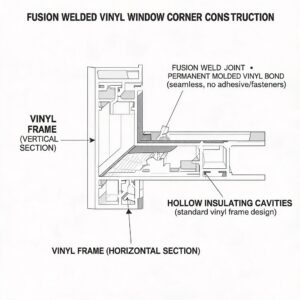
– Welded Corners: Frames should be thermally welded, not mechanically fastened, for strength and weather-tightness.
– Brand-Name Hardware: Sash locks and hinges from reputable manufacturers (like Roto, Siegenia, or Truth) ensure smooth operation and security.
– Glass Certification: Look for the National Fenestration Rating Council (NFRC) label to verify performance data.
– Warranty: A strong warranty (often lifetime on the frame and 20+ years on the glass) is a sign of manufacturer confidence.
Q&A: Your Vinyl Window Questions Answered
Q: Are vinyl windows strong enough for large picture window openings?
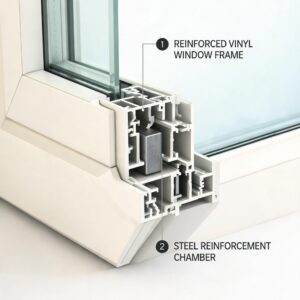
A: Absolutely. Modern vinyl extrusions are engineered with internal steel or aluminum reinforcement bars (rebar) within the main frame and sash profiles. This allows them to support the weight and wind load of very large, heavy glass units without bowing or flexing.
Q: Can the color on a vinyl window fade over time?
A: Quality windows use pigments and UV stabilizers integrated throughout the vinyl compound (called co-extrusion or cap-stock systems), not just a surface paint. This makes them highly resistant to fading, chalking, and weathering. They typically carry long-term warranties against color fade.
Q: How do vinyl windows perform in very cold climates?
A: They excel. The low thermal conductivity of uPVC means the frame itself stays closer to room temperature, reducing cold drafts and the potential for interior condensation around the edges—a common issue with metal frames in cold weather.
Q: Is it possible to repair a cracked vinyl window frame?
A: While small scratches can sometimes be buffed out, a cracked or broken frame section is generally not repairable in the traditional sense. The structural integrity is compromised. However, many window systems are designed with replaceable frame and sash components, so a professional installer can often replace just the damaged section without removing the entire window unit.
Q: Do vinyl windows contribute to a “stuffy” house because they are so airtight?
A: Their excellent air sealing improves energy efficiency, but modern homes require controlled ventilation for indoor air quality. This is not a window flaw but a building system consideration. Proper mechanical ventilation (like an HRV or ERV system) should be part of any home energy upgrade to ensure fresh, healthy air exchange.