Understanding Pella’s Position in the Window Market
Pella has been manufacturing windows since 1925, and their reputation precedes them. They occupy an interesting middle ground in the industry—not quite the budget option, but not the ultra-premium tier either. Their vinyl window lines specifically target homeowners who want quality without paying for wood or fiberglass frames.
What many buyers don’t realize is that Pella doesn’t manufacture all their components in-house. Some parts come from third-party suppliers, which affects consistency. However, their quality control standards remain higher than most entry-level brands.

The Pella Vinyl Window Lineup: Breaking Down Each Series
Pella 250 Series
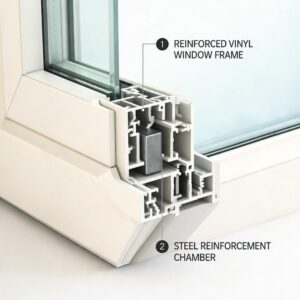
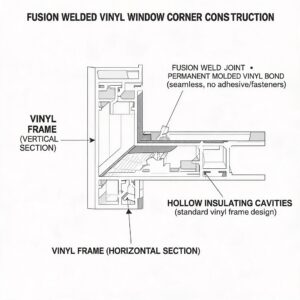
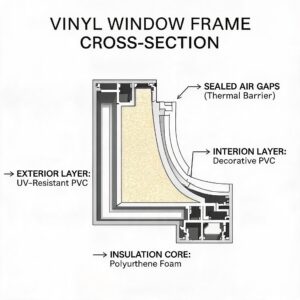
This is Pella’s most popular vinyl window and the one most homeowners encounter first. The 250 series uses a multi-chambered vinyl frame with welded corners, which provides decent structural integrity. The frame depth measures 3.25 inches, allowing for standard double-pane or optional triple-pane glass.
What works well:
The 250 series offers good thermal performance with U-factors ranging from 0.27 to 0.30 depending on glass package. That’s respectable for a mid-range vinyl window. The integrated screen and easy tilt-in cleaning make maintenance straightforward for homeowners.
Where it falls short:
The hardware feels less substantial than what you’d find on Pella’s higher-end lines. The locking mechanism can feel loose after several years of use. Additionally, the color options are limited compared to competitors like Andersen’s 400 series.
Pella Encompass Series
This is Palla’s value-oriented vinyl line, designed to compete with builder-grade windows. The Encompass series uses a simpler frame design with fewer chambers and thinner vinyl walls.
Performance considerations:
The Encompass series achieves U-factors around 0.30 to 0.35, which meets basic energy codes but won’t excel in extreme climates. The frame depth is shallower at 2.75 inches, limiting insulation potential. For mild climates or rental properties, these windows make financial sense. For primary residences in areas with harsh winters or hot summers, we recommend investing in the 250 series instead.
Pella Lifestyle Series
While the Lifestyle series is primarily wood and fiberglass, Pella does offer vinyl-clad options. These combine a vinyl exterior with wood interior, giving you the best of both materials. The vinyl cladding eliminates exterior painting while the wood interior provides warmth and traditional aesthetics.
Who should consider this:
Homeowners who want the look of wood windows without the maintenance burden. The vinyl cladding resists fading and chalking better than painted aluminum cladding. However, you’re paying a premium for the wood interior that you won’t recoup if you’re purely focused on performance.
Are Pella Vinyl Windows Good for Energy Efficiency?
This is where we need to separate marketing claims from measurable performance. Pella’s vinyl windows perform adequately, but they’re not class leaders in energy efficiency.
The 250 series with optional triple-pane glass achieves a U-factor of 0.24, which is good but not exceptional. Compare this to premium vinyl windows from companies like Marvin’s Essential series (0.22 U-factor) or OKNA’s 500 series (0.19 U-factor), and you see the difference.
What this means for your energy bills:
In moderate climates, the difference between a 0.27 and 0.22 U-factor might save you $30-50 annually on heating and cooling. In extreme climates, that gap widens. If energy efficiency is your primary concern, you can find better-performing vinyl windows at similar or slightly higher price points.
The glass matters more than the frame:
Pella uses Cardinal glass technology in their better windows, which includes Low-E coatings and argon gas fill. This glass performs well regardless of the frame material. When comparing Pella vinyl windows to competitors, pay attention to the glass package rather than just the frame construction.
Pella Vinyl Windows Warranty Details You Need to Know
Understanding warranty coverage is crucial before making a purchase. Pella offers different warranty terms depending on the series and component.
Frame and sash warranty:
The 250 series comes with a limited lifetime warranty on the vinyl frame and sash. This covers manufacturing defects but not damage from improper installation, abuse, or natural disasters. The Encompass series offers a 20-year warranty on the frame, which is shorter than industry leaders.
Glass warranty:
Pella provides a 20-year warranty against seal failure for all their vinyl windows. This is standard for the industry. If the insulated glass unit fogs up between the panes, Pella will replace it at no cost during this period.
Hardware and labor:
This is where many homeowners get surprised. Hardware components carry a 2-year warranty, and labor coverage depends entirely on your installer. If your windows fail due to poor installation, Pella won’t cover it. You must choose an experienced installer who stands behind their work.
For those concerned about long-term protection, it’s worth reviewing the Pella vinyl windows warranty details carefully before signing any contract. Some dealers offer extended warranties, but these vary significantly by location.
Installation: The Hidden Factor That Makes or Breaks Pella Windows
We cannot emphasize this enough: even the best window performs poorly when installed incorrectly. Pella vinyl windows are no exception. The most common complaints we hear about Pella windows—drafts, water leaks, and difficulty operating—almost always trace back to installation errors rather than manufacturing defects.
What proper installation requires:
- Correct flashing and sealing around the rough opening
- Proper shimming to ensure the frame isn’t twisted
- Adequate insulation around the frame cavity
- Correct screw placement and torque
- Proper gap allowance for thermal expansion
Red flags to watch for:
If your installer quotes a price that seems too good to be true, they’re likely cutting corners on installation. A proper window installation takes 45-60 minutes per window for a skilled crew. Anything faster suggests rushed work.
Comparing Pella 250 Series vs Encompass Reviews: Which Should You Choose?
When we analyze homeowner feedback across thousands of installations, clear patterns emerge. The Pella 250 series consistently receives higher satisfaction ratings than the Encompass series, particularly for homes in climates with temperature extremes.
Pella 250 series strengths:
- Better thermal performance in cold climates
- More substantial hardware feel
- Wider range of grid and glass options
- Better resale value perception
Encompass series strengths:
- Lower upfront cost
- Adequate for mild climates
- Simpler installation process
- Good for rental properties or short-term ownership
For homeowners planning to stay in their home for more than five years, the 250 series justifies its higher price through better energy savings and durability. The Encompass series works well for flips, rentals, or homes in moderate climates where extreme temperatures aren’t a concern.
Common Problems with Pella Vinyl Windows (And How to Avoid Them)
No window brand is perfect, and Pella has some recurring issues that buyers should know about.
Hardware wear:
The locking mechanisms on the 250 series can become loose after 5-7 years of regular use. This doesn’t affect security but can make the window feel less solid when closing. Regular lubrication helps extend hardware life.
Screen frame flexibility:
Some users report that the screen frames flex more than expected, particularly on larger windows. This is more cosmetic than functional but worth noting if you have large picture windows.
Color fading:
Dark-colored vinyl frames can fade faster than lighter colors, especially on south-facing exposures. Pella’s vinyl uses UV stabilizers, but no vinyl is completely immune to sun damage. Consider lighter colors for sunny exposures.
When Pella Vinyl Windows Make Sense
Based on our analysis of thousands of installations and homeowner feedback, Pella vinyl windows are a solid choice when:
- You want a recognizable brand name for resale value
- You need windows that meet code requirements without overspending
- You prefer vinyl’s low-maintenance characteristics
- You’re installing in a moderate climate zone
- You have a reputable, experienced installer
When to Consider Alternatives
You might want to explore other options if:
- Energy efficiency is your absolute top priority
- You live in an extreme climate (very cold or very hot)
- You want the absolute best hardware and operation
- You’re on a tight budget (Encompass series may still work)
- You need custom sizes or shapes beyond standard offerings
For homeowners exploring different material options, understanding the differences between vinyl and other frame materials helps make an informed decision. You can compare Pella 250 series vs Encompass reviews alongside other vinyl window options to see which fits your specific needs.
Final Verdict: Are Pella Vinyl Windows Worth Your Investment?
Pella vinyl windows offer good value for homeowners who want a trusted brand with decent performance. They’re not the best vinyl windows on the market, but they’re far from the worst. The 250 series represents a solid mid-range option that balances cost, quality, and brand recognition.
The Encompass series fills a specific niche for budget-conscious buyers, but we recommend stepping up to the 250 series if your budget allows. The extra cost translates to better energy performance, more durable hardware, and longer warranty coverage.
The most important decision isn’t the window brand—it’s the installer. A mediocre window installed perfectly will outperform an excellent window installed poorly. Take time to vet your installer, check references, and ensure they provide a workmanship warranty that matches Pella’s product warranty.
常见问题
How long do Pella vinyl windows typically last?
With proper installation and maintenance, Pella 250 series vinyl windows typically last 20-30 years. The Encompass series has a shorter lifespan of 15-20 years due to thinner vinyl construction. Seal failure is the most common reason for replacement, usually occurring after 15-20 years.
Can Pella vinyl windows be painted?
Pella’s vinyl windows come in factory-finished colors that cannot be successfully painted. The paint will peel and chip because vinyl expands and contracts at different rates than paint. If you want paintable windows, choose Pella’s wood or fiberglass options instead.
Do Pella vinyl windows fog up between the panes?
Fogging indicates seal failure, which Pella covers under their 20-year glass warranty. If you notice condensation between the panes, contact Pella or your installer. This issue affects all double-pane windows eventually, but quality installation extends seal life.
Are Pella windows made in the USA?
Yes, Pella manufactures their windows in facilities across the United States, primarily in Iowa and Ohio. Their vinyl windows use domestically sourced materials, which supports faster warranty service and replacement parts availability.
How do Pella vinyl windows compare to Andersen 400 series?
Andersen’s 400 series uses Fibrex material (a wood fiber composite) rather than vinyl. Fibrex offers better dimensional stability and can be painted, but costs more. Pella’s 250 series offers similar thermal performance at a lower price point. Choose Andersen if you want paintable frames; choose Pella if you want lower upfront cost.
What is the average cost of Pella vinyl windows installed?
For the 250 series, expect to pay $400-700 per window installed, depending on size and glass options. The Encompass series runs $300-500 per window installed. These prices vary significantly by region and installer markup.