**How Much Do Vinyl Windows Cost? A Complete 2026 Pricing Guide**
When homeowners begin researching window replacements, the first question that comes to mind is almost always about budget. You want durable, energy-efficient windows that enhance your home’s appearance without breaking the bank. Vinyl windows have become the most popular choice across the United States precisely because they strike that balance between performance and affordability. But the pricing landscape is more nuanced than a simple per-window figure. Factors like frame construction, glass options, installation method, and regional labor rates all play significant roles in determining your final invoice.
This comprehensive guide draws from decades of manufacturing experience to give you a transparent, detailed breakdown of vinyl window pricing. We’ll explore what drives costs up, where you can save money without sacrificing quality, and how to make an informed decision that serves your home for decades to come.
**Understanding Vinyl Window Pricing Fundamentals**
Before diving into specific numbers, it’s important to understand that vinyl window costs are not one-size-fits-all. The price you’ll pay depends on a combination of material choices, window style, size, and the complexity of installation. Nationally, homeowners typically spend between $450 and $1,200 per window installed, with the average falling around $700 to $850 for a standard double-hung unit.

The raw materials account for roughly 40 to 50 percent of the total cost. Vinyl itself is an affordable, durable polymer that resists moisture, never requires painting, and provides excellent thermal insulation. However, not all vinyl is created equal. The quality of the extrusion, the thickness of the frame walls, and the additives used for UV resistance all influence both performance and price.
**The Five Critical Factors That Determine Vinyl Window Costs**
**1. Frame Quality and Construction**
The frame is the backbone of any window, and vinyl frames vary significantly in quality. Entry-level windows use extruded vinyl with thinner walls, typically around 0.060 to 0.070 inches. These are perfectly functional for moderate climates and offer the lowest upfront cost, often ranging from $250 to $400 per window before installation.
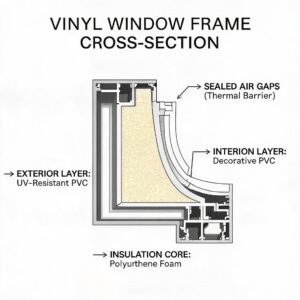
Mid-range windows step up to thicker vinyl extrusions, usually 0.080 to 0.090 inches, and incorporate multi-chambered designs. These internal chambers create dead air spaces that dramatically improve thermal performance. Expect to pay $400 to $700 per window for this category. The added material and engineering justify the higher price through better energy efficiency and structural rigidity.
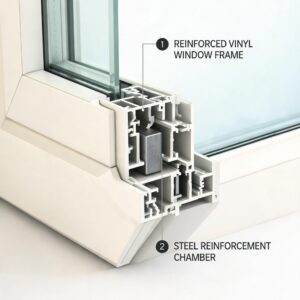
Premium vinyl windows represent the top tier, with frame walls exceeding 0.100 inches and sophisticated reinforcement systems. Some manufacturers incorporate fiberglass or aluminum reinforcements within the vinyl extrusion for exceptional strength. These windows can support larger glass panes and withstand extreme weather conditions. Prices range from $700 to $1,200 or more per window, but the longevity and performance often justify the investment for homeowners planning to stay in their homes for decades.
When evaluating the vinyl windows price per square foot, entry-level products might run $20 to $35 per square foot, while premium options can reach $50 to $70 per square foot. This metric is particularly useful when comparing non-standard window sizes or custom shapes.
**2. Glass Package and Energy Efficiency**
The glass you choose has a profound impact on both comfort and cost. Single-pane glass is virtually obsolete in modern residential construction, and even basic double-pane units have evolved significantly.
Standard double-pane glass with clear coatings represents the baseline. These windows provide adequate insulation and cost the least, but they miss out on substantial energy savings. Upgrading to Low-E (low-emissivity) glass adds a microscopic metallic coating that reflects infrared heat while allowing visible light to pass through. This upgrade typically adds $50 to $100 per window but can reduce heating and cooling costs by 15 to 30 percent annually.
The cost of triple pane vinyl windows vs double pane is a common consideration for homeowners in extreme climates. Triple-pane windows add a third layer of glass and an additional gas-filled chamber, usually containing argon or krypton. This configuration provides superior sound insulation and thermal performance. However, the price difference is significant—triple-pane windows typically cost 20 to 40 percent more than comparable double-pane units. For a standard double-hung window, that means an additional $150 to $300 per window.
For most homeowners in moderate climates, high-quality double-pane windows with Low-E coatings and argon gas fill offer the best return on investment. Triple-pane windows become worthwhile in regions with prolonged extreme temperatures, such as northern Minnesota or the desert Southwest.
**3. Window Style and Operating Mechanism**
The style of window you choose dramatically affects pricing because different designs require varying amounts of material, hardware, and manufacturing complexity.
Double-hung windows are the most common and generally the most affordable. Both sashes move vertically, allowing for versatile ventilation. Prices typically range from $350 to $800 for standard sizes.
Casement windows operate with a crank mechanism and provide excellent airtightness since the sash presses against the frame when closed. These windows typically cost 15 to 25 percent more than double-hung units, ranging from $450 to $1,000.
Sliding windows offer a more budget-friendly alternative, often costing 10 to 15 percent less than double-hung windows. However, they provide less ventilation since only one sash typically moves.
Awning and hopper windows are popular for basements and bathrooms. Their compact size keeps costs lower, typically $300 to $600, but they require specialized hardware for smooth operation.
Picture windows are fixed units that don’t open. Because they lack operating hardware and moving parts, they are the most affordable option per square foot, often costing $250 to $500. However, they cannot provide ventilation.
Custom shapes like arches, circles, or trapezoids carry significant premiums. The specialized manufacturing and framing required can double or triple the cost compared to standard rectangular windows.
**4. Installation Complexity and Method**
Installation costs can account for 30 to 50 percent of your total project expense, and this is where many homeowners encounter surprises. Two primary installation methods exist: full-frame replacement and insert replacement.
Full-frame replacement involves removing the existing window completely, including the frame and sometimes portions of the surrounding wall structure. This method is necessary when the existing frame is rotted, damaged, or poorly insulated. It allows for complete inspection and upgrading of the rough opening, including adding insulation and flashing. Full-frame installations cost more due to the additional labor and materials, typically adding $100 to $300 per window.
Insert replacement, also called pocket installation, leaves the existing frame in place and slides the new window into the opening. This method is faster, less invasive, and more affordable. Insert installations typically cost $50 to $150 less per window than full-frame replacements. However, they are only suitable when the existing frame is in good condition.
Beyond the installation method, several factors can increase labor costs. Second-story windows require scaffolding or specialized equipment, adding $50 to $150 per window. Windows in finished basements or those requiring masonry work can add significant time and expense. Unusual wall construction, such as stucco or stone veneer, may require specialized cutting tools and techniques.
**5. Regional Pricing Variations and Local Market Factors**
Where you live has a substantial impact on what you’ll pay for vinyl windows. Labor rates vary dramatically across the country, and local building codes may require specific performance ratings that affect material costs.
In the Midwest and South, where labor costs are generally lower and vinyl windows are extremely common, total installed prices tend to be at the lower end of the national range. Homeowners in Illinois, Indiana, and Wisconsin might pay $450 to $750 per window installed for quality mid-range products.
Coastal markets, particularly the Northeast and West Coast, see higher labor rates and often stricter energy codes. Installed prices in these regions frequently start at $600 and can exceed $1,200 per window for comparable products. The Pacific Northwest, with its emphasis on energy efficiency, often requires triple-pane or high-performance double-pane windows as standard.
Local climate also influences material choices. Homes in hurricane-prone regions may require impact-rated glass and reinforced frames, which can add 30 to 50 percent to the base window cost. Similarly, homes in very cold climates benefit from windows with lower U-factors, which typically cost more to manufacture.
**Additional Cost Considerations Often Overlooked**
Beyond the five primary factors, several other elements can affect your final invoice. Warranties vary significantly between manufacturers. Some offer lifetime warranties on the vinyl frame but only limited coverage on glass and hardware. Extended warranty options may add $50 to $150 per window but provide peace of mind.
Permits and inspection fees are required in most municipalities. These typically range from $50 to $200 for a residential window replacement project. Skipping permits can lead to fines and complications when selling your home.
Disposal fees for old windows add another $25 to $75 per window, depending on local landfill rates and whether the installer includes this in their quote.
Finishing touches also matter. Interior trim replacement or repair, exterior caulking, and painting can add $50 to $200 per window if the existing trim is damaged or if you want a different aesthetic.
**Making an Informed Decision**
When budgeting for vinyl window replacement, request detailed quotes from at least three reputable contractors. Ensure each quote specifies the window brand, model, glass package, warranty terms, and installation method. Compare apples to apples rather than simply choosing the lowest price.
Consider the long-term value rather than just the upfront cost. Spending an extra $100 per window for better insulation can save $200 annually on energy bills, paying for itself within a few years. Similarly, investing in thicker frame extrusions and quality hardware extends the window’s service life from 15 years to 30 years or more.
For homeowners looking for specific product options, exploring vinyl windows price per square foot comparisons can help narrow down choices based on your specific window dimensions and performance requirements.
**Frequently Asked Questions About Vinyl Window Costs**
**Q: How much do vinyl windows cost installed in 2026?**
A: For a standard double-hung window, expect to pay between $450 and $1,200 fully installed. The national average hovers around $750 per window. Custom sizes, premium glass packages, and complex installations push prices toward the higher end.
**Q: Are triple-pane vinyl windows worth the extra cost?**
A: Triple-pane windows provide superior insulation and sound reduction, but they cost 20 to 40 percent more than double-pane equivalents. They are most worthwhile in extreme climates or homes near busy roads. In moderate climates, high-quality double-pane windows with Low-E coatings offer better value.
**Q: What is the vinyl windows price per square foot for standard installations?**
A: Basic vinyl windows start around $20 to $30 per square foot. Mid-range products with good energy efficiency run $35 to $50 per square foot. Premium windows with reinforced frames and triple glazing can reach $60 to $75 per square foot. These figures typically exclude installation labor.
**Q: Can I save money by installing vinyl windows myself?**
A: While DIY installation saves on labor costs, it carries significant risks. Improper installation voids warranties, leads to air and water leaks, and can damage your home’s structure. Professional installation ensures proper flashing, sealing, and operation. Most manufacturers require professional installation to maintain warranty coverage.
**Q: How long do vinyl windows typically last?**
A: Quality vinyl windows have a lifespan of 20 to 40 years. The frame itself can last indefinitely if properly maintained, but seals, weatherstripping, and hardware may need replacement after 15 to 20 years. Premium windows with thicker extrusions and better hardware tend to last longer.
**Q: Do vinyl windows increase home value?**
A: Yes, new vinyl windows typically recoup 70 to 80 percent of their cost in increased home value. Energy-efficient windows are particularly attractive to buyers and can make your home sell faster. The return on investment is highest when replacing old, drafty windows with modern, efficient models.
**Q: What’s the difference between vinyl and PVC windows?**
A: Vinyl and PVC (polyvinyl chloride) are chemically similar materials. The terms are often used interchangeably in the window industry. However, window-grade vinyl includes UV stabilizers and impact modifiers that standard PVC pipe lacks. Quality window vinyl is engineered specifically for long-term outdoor exposure and thermal performance.
**Q: How can I get the best price on vinyl window replacement?**
A: Get multiple quotes, ask about seasonal discounts, and consider bundling multiple window replacements into one project. Many manufacturers offer rebates during slower seasons. Additionally, checking for cost of triple pane vinyl windows vs double pane options can help you decide where to allocate your budget for maximum benefit.
**Final Thoughts**
Vinyl window replacement represents a significant investment in your home’s comfort, energy efficiency, and value. By understanding the factors that influence pricing, you can make informed decisions that align with your budget and long-term goals. Focus on quality where it matters most—frame construction, glass performance, and professional installation—and you’ll enjoy the benefits of your new windows for decades to come.
Remember that the cheapest quote isn’t always the best value. A slightly higher upfront investment in quality materials and expert installation pays dividends through lower energy bills, fewer repairs, and greater comfort. Take your time, ask questions, and choose a manufacturer and installer with a proven track record. Your home deserves nothing less.
For homeowners seeking detailed information on specific product lines, reviewing how much do vinyl windows cost across different manufacturers can provide valuable perspective on the market range and help you identify the best options for your specific needs.