When homeowners begin researching replacement windows, they quickly discover that vinyl has become the dominant material choice across the American housing market. The reasons are clear: exceptional thermal performance, minimal maintenance requirements, and a price point that delivers genuine long-term value. However, navigating the landscape of manufacturers, styles, and technical specifications can feel overwhelming. This comprehensive guide draws on decades of industry experience to help you understand not just which window styles deserve your consideration, but which manufacturers consistently deliver the quality and performance that justify your investment.
**Understanding What Makes a Vinyl Window Exceptional**
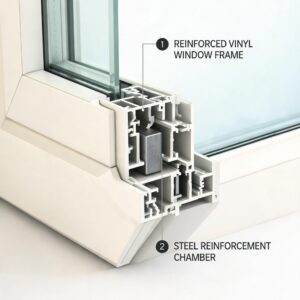
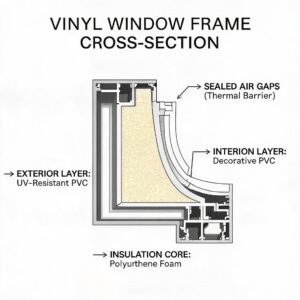
Before examining specific styles and brands, it’s essential to understand the engineering that separates premium vinyl windows from budget alternatives. The best vinyl window manufacturers invest heavily in material science, extrusion technology, and thermal optimization.
Modern premium vinyl windows utilize multi-chambered frames that trap air pockets, creating natural insulation barriers. The number of chambers directly correlates with thermal performance—five-chamber designs outperform three-chamber alternatives by measurable margins. Additionally, the quality of the vinyl compound itself matters tremendously. Top-tier manufacturers use UV-stabilized virgin vinyl with titanium dioxide additives that prevent yellowing and maintain structural integrity for decades.

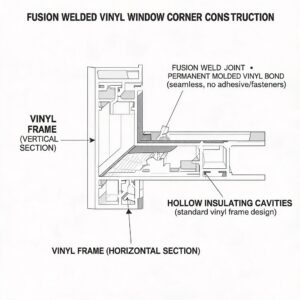
The fusion-welded corners found in quality windows eliminate the weak points that plague mechanically fastened frames. This construction method creates monolithic corner joints that resist air infiltration, water penetration, and structural fatigue over years of thermal expansion and contraction.
**The Five Window Styles That Dominate Residential Vinyl Installation**
**Double-Hung Windows: The Timeless Standard**
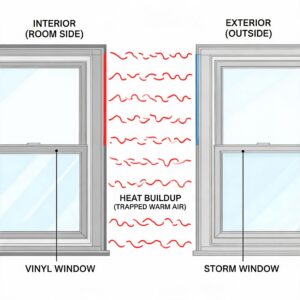
Double-hung windows remain the most popular choice across American homes for good reason. Both the upper and lower sashes operate independently, allowing for versatile ventilation patterns. When you open the bottom sash upward and the top sash downward, warm air escapes through the upper opening while cooler air enters below—a natural convection cycle that improves indoor comfort without mechanical assistance.
Modern engineering has addressed historical complaints about double-hung windows. Tilt-in cleaning mechanisms now allow both sashes to pivot inward, making exterior glass cleaning accessible from inside your home. This feature alone has converted many homeowners who previously preferred casement designs.
**Best suited for:** Traditional architectural styles including Colonial, Victorian, and Craftsman homes. Double-hung windows excel in rooms where you want flexible ventilation control without projecting hardware that interferes with exterior spaces.
**Casement Windows: Unobstructed Views and Superior Seals**
Casement windows operate on a side-hinged mechanism, typically using a crank handle to swing the sash outward. The compression seal created when the sash closes against the frame provides exceptional air tightness—casement windows consistently outperform double-hung units in independent air infiltration tests.
The single-pane design means there is no center meeting rail to obstruct your view. This makes casement windows the preferred choice for rooms where you want to maximize natural light and scenic outlooks. The outward-swinging operation also captures prevailing breezes effectively, channeling air into the home rather than blocking it.
**Best suited for:** Contemporary and mid-century modern homes, rooms with countertops or furniture beneath the window, and locations where maximum energy efficiency is the primary concern.
**Sliding Windows: Space-Efficient Operation**
Sliding windows, also called gliding windows, operate horizontally along tracks rather than vertically. This design eliminates the counterbalance mechanisms required for double-hung units, reducing potential failure points. The horizontal operation makes sliding windows ideal for locations where vertical clearance is limited or where you want to avoid projecting sashes.
Modern sliding windows have improved dramatically in recent years. Premium manufacturers now incorporate dual-track systems with pile weatherstripping that rivals the air sealing performance of casement designs. The large fixed panel paired with the operable sash provides expansive glass areas while maintaining practical functionality.
**Best suited for:** Ranch-style homes, rooms with limited exterior clearance, and installations where wide openings require multiple window units.
**Awning Windows: Ventilation During Inclement Weather**
Awning windows hinge at the top and swing outward from the bottom. This design creates a canopy effect that allows you to keep windows open during light rain without water entering your home. The operating mechanism positions the sash at an angle that directs airflow upward, promoting natural convection within the room.
The compression seal on awning windows rivals that of casement designs, making them excellent choices for energy-conscious homeowners. When combined with fixed picture windows, awning units provide ventilation without compromising the clean aesthetic of large glass expanses.
**Best suited for:** Basement wells, bathrooms requiring ventilation, and installation above doors or countertops where projecting hardware won’t interfere with traffic patterns.
**Picture Windows: Maximizing Light and Views**
Picture windows are fixed units that do not operate. Without moving parts, hinges, or weatherstripping that degrades over time, picture windows offer the lowest maintenance profile of any window style. The absence of operating hardware also means these windows can be manufactured in larger sizes than operable units, creating dramatic architectural statements.
The energy efficiency of picture windows depends entirely on the glass package rather than frame sealing. Premium picture windows utilize triple-pane glazing with low-emissivity coatings and argon gas fills to achieve thermal performance that exceeds operable window designs.
**Best suited for:** Living rooms with scenic views, stairwells where operation isn’t practical, and combination installations where picture windows flanked by casement or awning units provide both drama and functionality.
**Evaluating Manufacturers: What Separates Industry Leaders**
The question of who makes the best vinyl windows requires examining manufacturing processes, material specifications, and warranty structures rather than brand recognition alone.
**Extrusion quality** determines dimensional stability. Premium manufacturers control their extrusion processes to maintain wall thickness within tight tolerances. Thinner walls in budget windows lead to warping, bowing, and eventual seal failure.
**Glass package engineering** separates mid-tier from premium offerings. The best manufacturers source glass from dedicated suppliers and specify exact coating configurations for different climate zones. Northern climates benefit from low-E coatings that retain interior heat, while southern installations require solar-control coatings that reject external heat gain.
**Hardware quality** often reveals the true manufacturing tier. Premium windows use stainless steel balance systems, brass or stainless steel locking mechanisms, and reinforced operator handles. Budget windows cut costs here, and these components typically fail first.
**Warranty structures** provide insight into manufacturer confidence. Industry leaders offer transferable lifetime warranties covering both materials and glass seal integrity. Some manufacturers now include labor coverage for the first decade, reflecting confidence in their installation requirements.
**Key Considerations for Your Window Investment**
**Thermal Performance Metrics**
Understanding U-factor and Solar Heat Gain Coefficient (SHGC) ratings empowers you to make informed comparisons. U-factor measures heat transfer through the entire window assembly—lower numbers indicate better insulation. Premium vinyl windows achieve U-factors between 0.27 and 0.30, significantly outperforming older window technologies.
SHGC measures how much solar radiation passes through the glass. In northern climates, higher SHGC values provide passive solar heating benefits during winter months. Southern homeowners should prioritize lower SHGC values to reduce cooling loads.
**Climate-Specific Recommendations**
For homeowners in coastal regions, the question of best vinyl windows for coastal areas requires additional consideration. Salt spray and persistent humidity demand windows with enhanced corrosion resistance. Look for manufacturers that use stainless steel hardware throughout, marine-grade weatherstripping, and vinyl formulations with additional UV stabilizers.
Inland homeowners in temperature-variable climates should prioritize windows with reinforced frames that accommodate thermal expansion without compromising seal integrity. Multi-chamber designs with internal reinforcement bars provide the structural stability needed for extreme temperature swings.
**Installation Quality Cannot Be Overstated**
The finest window manufactured will underperform if installation is compromised. Proper installation includes:
– Structural support that transfers window weight to the building frame
– Flashing systems that direct water away from the window opening
– Insulation of the rough opening gap with low-expansion foam
– Verification of square and level alignment before final fastening
Many manufacturer warranties require professional installation by certified contractors. Attempting DIY installation on premium windows typically voids warranty coverage and compromises performance.
**Looking Ahead: Industry Trends for 2026 and Beyond**
The window manufacturing industry continues evolving, with top rated high-end vinyl window manufacturers 2026 already investing in technologies that will define the next generation of residential windows.
**Smart glass integration** is moving from commercial applications into residential products. Electrochromic glass that adjusts tint based on sunlight intensity will become available in vinyl window systems within the next two years.
**Improved recycling programs** are emerging as manufacturers address environmental concerns. Several major producers now offer take-back programs for old windows, processing the vinyl into new extrusion compounds.
**Enhanced acoustic performance** packages are gaining popularity as homeowners prioritize noise reduction. Laminated glass with specialized interlayers can reduce exterior noise transmission by 50 percent compared to standard insulated glass units.
**Frequently Asked Questions About Vinyl Window Selection**
**How long do premium vinyl windows typically last?**
Quality vinyl windows with proper installation and normal maintenance provide 25 to 40 years of service life. The vinyl material itself remains stable for decades, though seal integrity and hardware functionality may require attention after 20 years.
**Can vinyl windows be painted to match exterior colors?**
Most manufacturers advise against painting vinyl windows. The paint cannot flex with thermal expansion at the same rate as the vinyl substrate, leading to peeling and cracking. If color customization is important, select manufacturers that offer factory-applied color coatings bonded during the extrusion process.
**What is the price difference between standard and premium vinyl windows?**
Premium vinyl windows typically cost 40 to 70 percent more than builder-grade alternatives. The investment returns value through superior energy savings, longer service life, and enhanced resale appeal. Most homeowners recover 70 to 80 percent of window replacement costs in increased home value.
**How do I verify a manufacturer’s energy performance claims?**
Look for National Fenestration Rating Council (NFRC) labels on any window you consider. This independent testing organization provides verified U-factor, SHGC, and air leakage ratings. Manufacturers that avoid NFRC certification typically cannot substantiate their performance claims.
**Should I replace all windows at once or phase the project?**
Complete replacement offers advantages in pricing (manufacturers and installers provide volume discounts) and consistency (all windows match perfectly). However, phasing allows you to spread costs over multiple budget cycles. If phasing, replace the most problematic windows first—typically those facing prevailing weather conditions or in frequently used rooms.
**Making Your Final Decision**
The best vinyl window for your home balances style preferences, performance requirements, and budget considerations. Double-hung windows remain the versatile choice for traditional homes, while casement designs deliver superior energy performance. Awning windows solve specific ventilation challenges, and picture windows create dramatic visual impact.
When evaluating manufacturers, prioritize those with established track records, comprehensive warranties, and transparent performance data. The investment in premium windows pays dividends through reduced energy costs, enhanced comfort, and increased property value that lasts for decades.
Take time to visit showrooms where you can operate different window styles, feel the quality of hardware operation, and see the difference in frame construction. Your windows represent a long-term investment in your home’s comfort and value—choosing wisely ensures satisfaction for years to come.